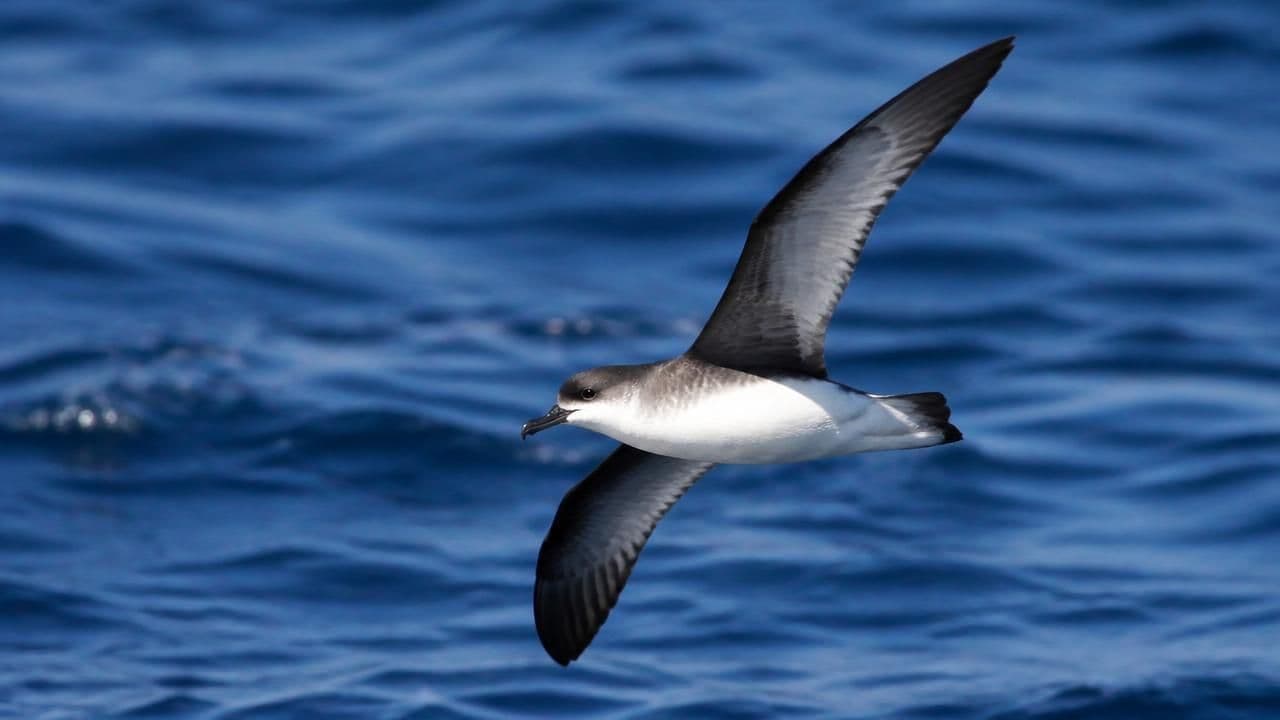
Study Finds Manx Shearwaters Can Jet-Lag Themselves — and It Skews Their Sun Compass
Oxford-led research in Science shows the long-haul seabirds return home with internal clocks out of sync, throwing off the solar navigation they depend on.

Oxford-led research in Science shows the long-haul seabirds return home with internal clocks out of sync, throwing off the solar navigation they depend on.

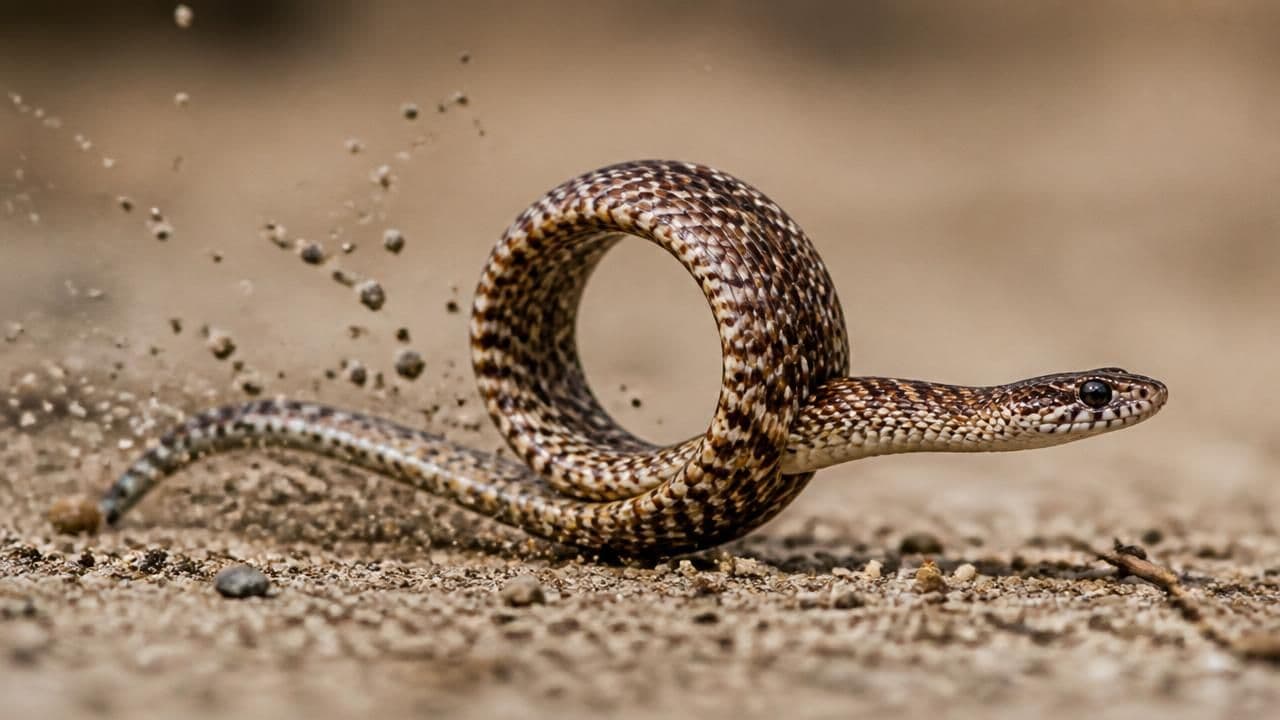
High-speed cameras in Japan show Southeast Asian snakes rolling up to four times faster than they slither, with heads held stable.

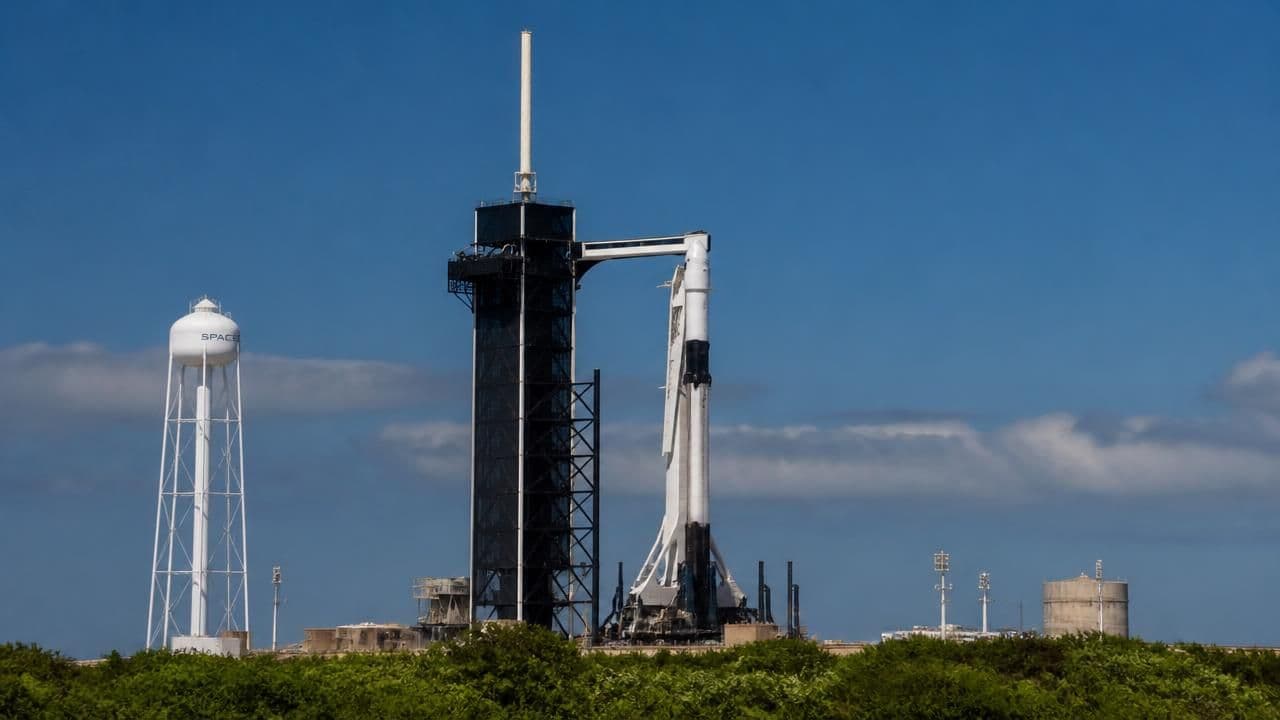
NASA's 35th resupply flight carries four biological experiments to the station as Florida braces for sonic booms and a 'space jellyfish.'

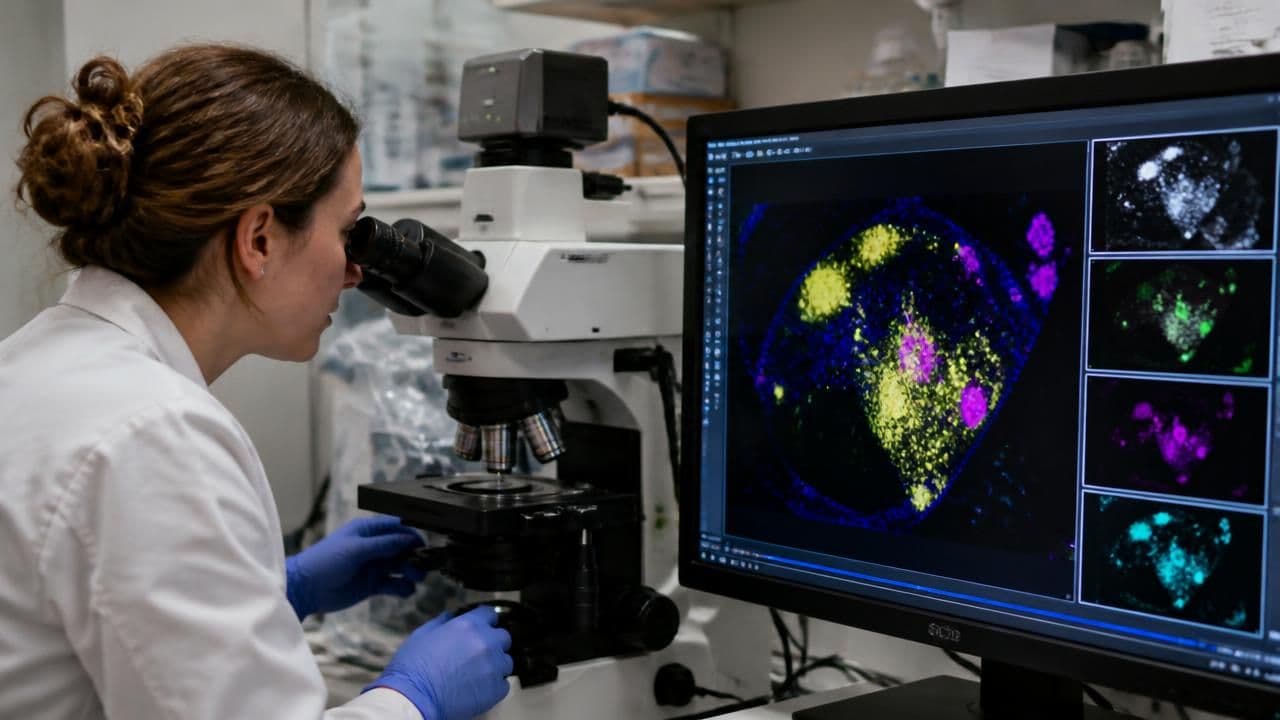
First direct images reveal Asgard archaea exchanging nutrients with bacteria, supporting theories of how eukaryotic cells evolved.

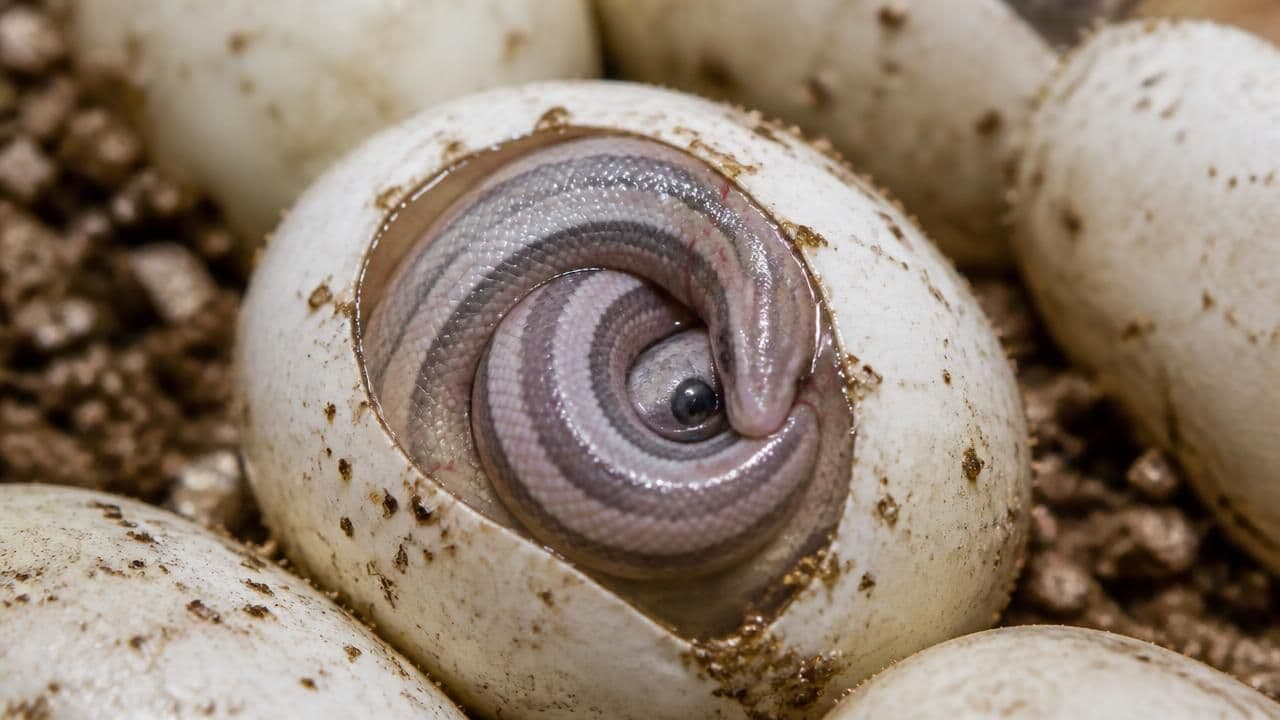
New research suggests snake embryos spiral because their bodies grow faster than their guts, forcing a distinctive right-handed coil inside the egg.

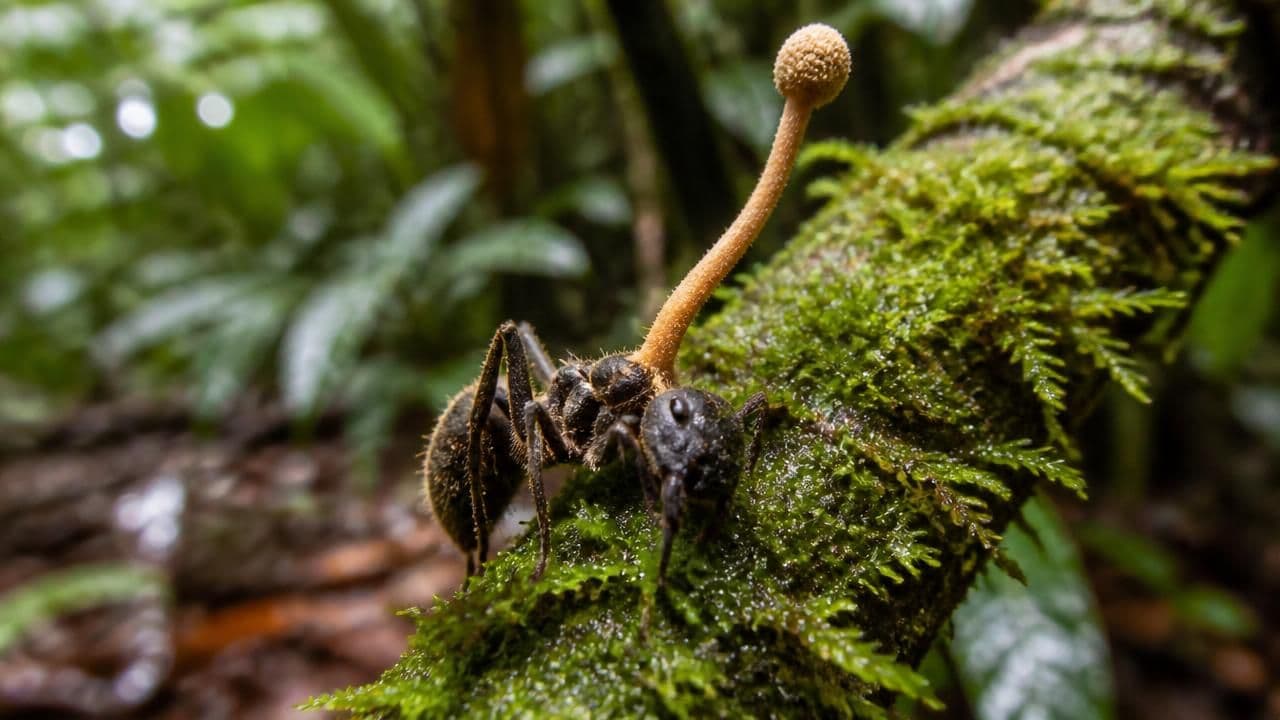
New DNA evidence shows Cordyceps fungus hides in Amazonian mosses, while 99-million-year-old amber fossils trace its deadly evolution

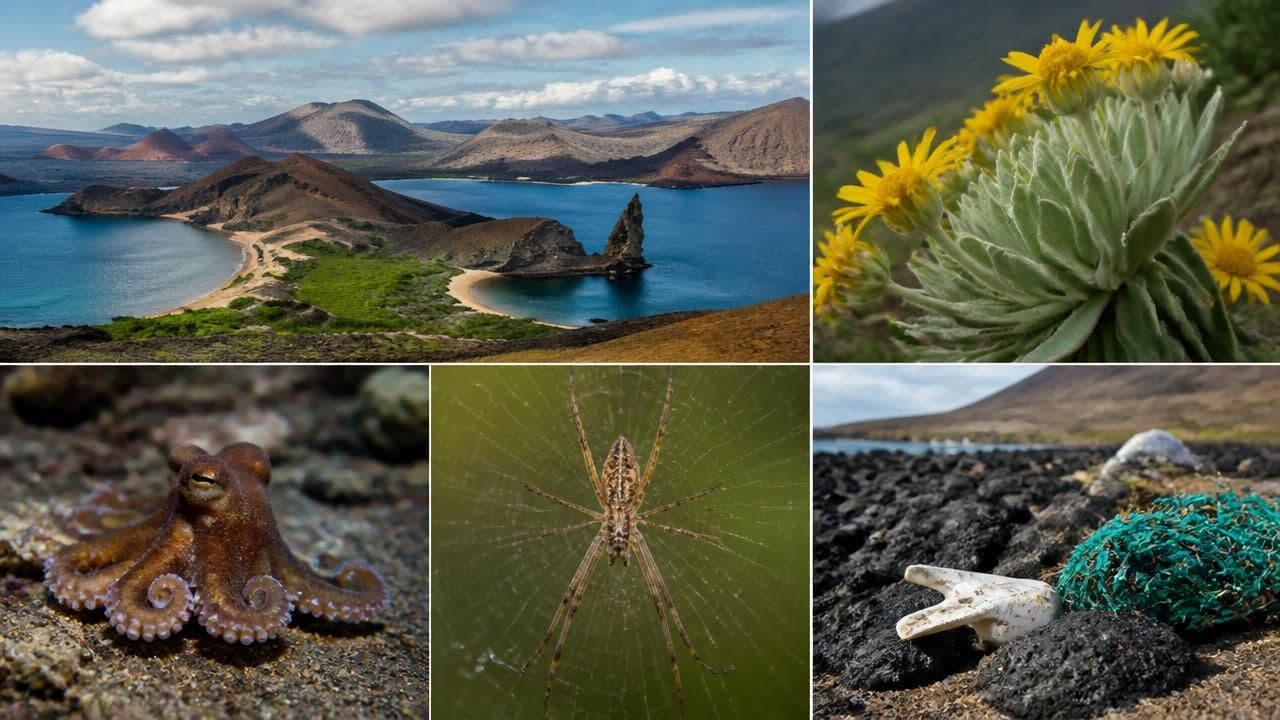
New studies reveal convergent evolution in daisies, spiders, and octopuses, while human impact threatens the archipelago's unique biodiversity.

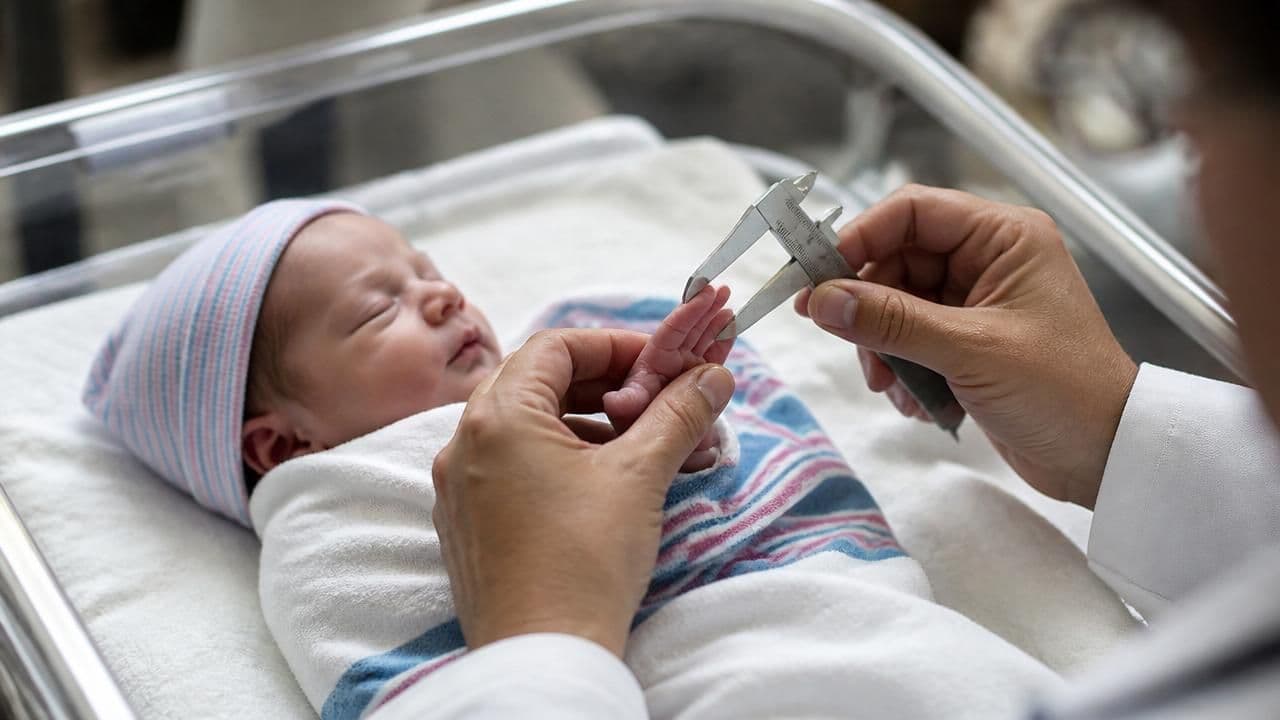
Study of 225 infants suggests digit ratio may hold clues to human brain evolution, with stronger effects in boys.

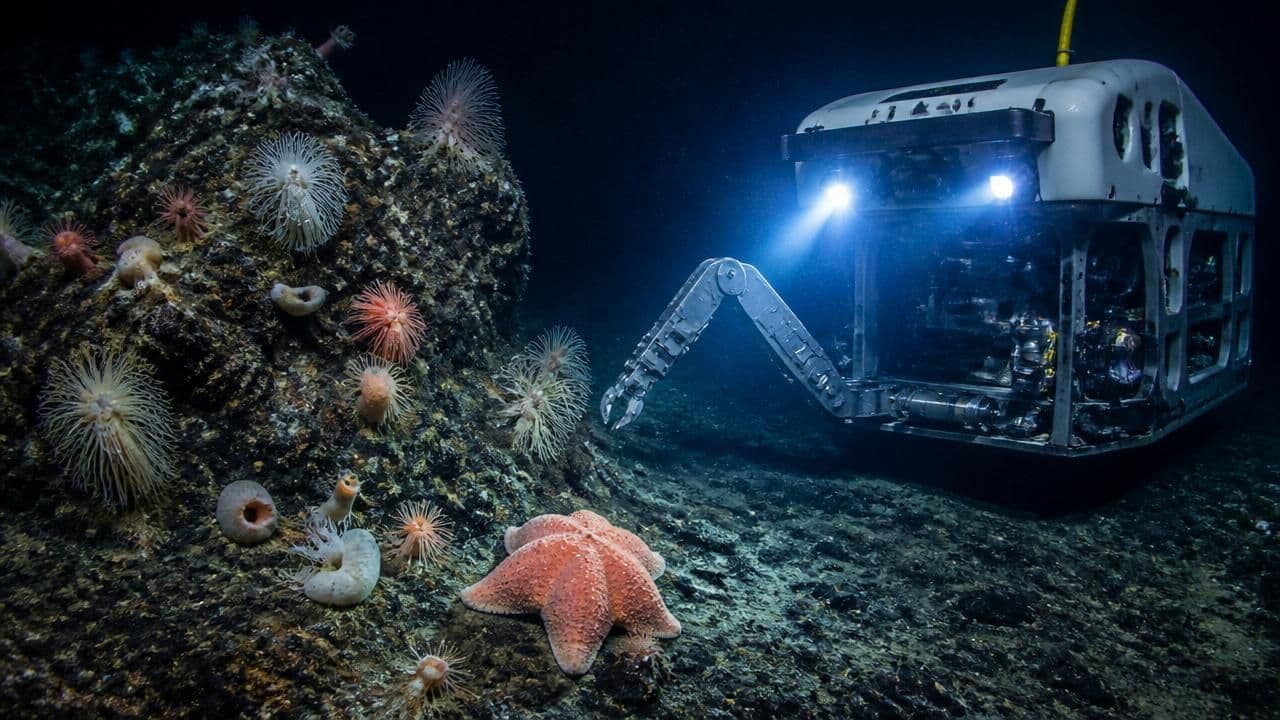
From pressure-fed nutrients to never-before-seen creatures, recent expeditions are rewriting our understanding of the ocean's depths.