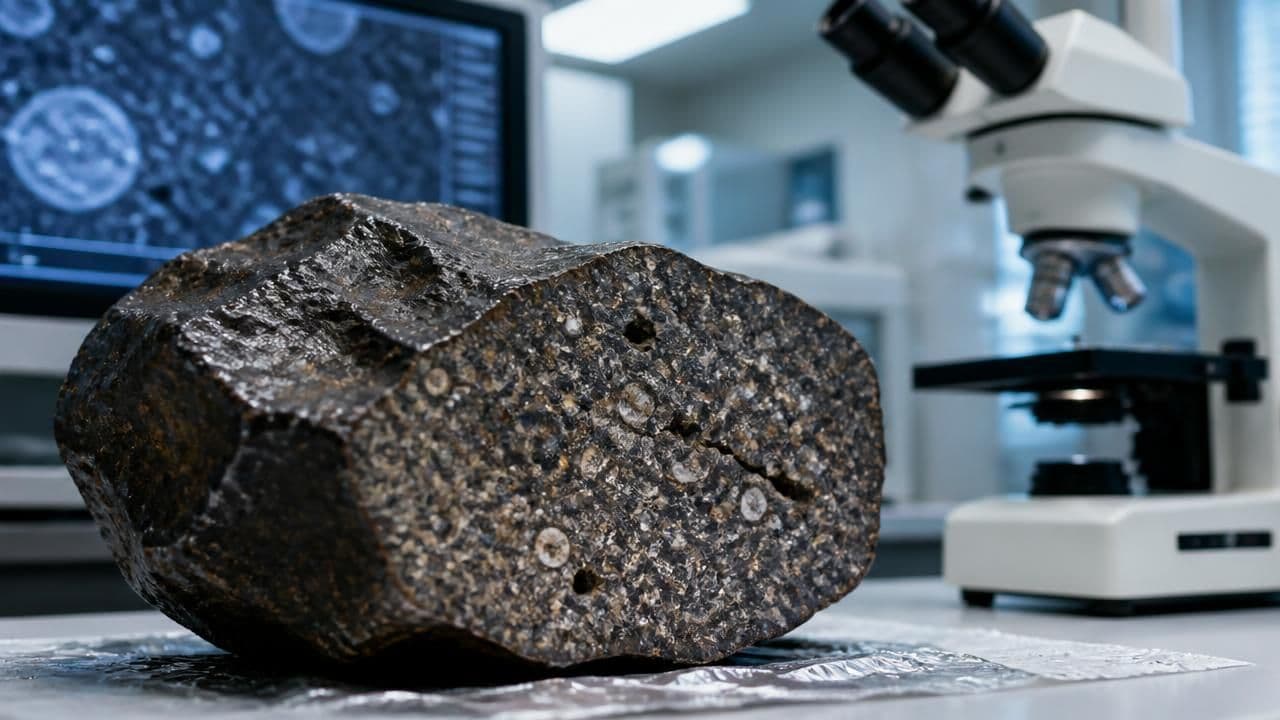
Ancient Meteorite Reveals Strong Magnetic Field That Helped Build the Solar System
Grains in one of the oldest known meteorites show magnetism worked alongside gravity in the first 200,000 years of the solar system.
Sep 25, 20260 views
Grains in one of the oldest known meteorites show magnetism worked alongside gravity in the first 200,000 years of the solar system.
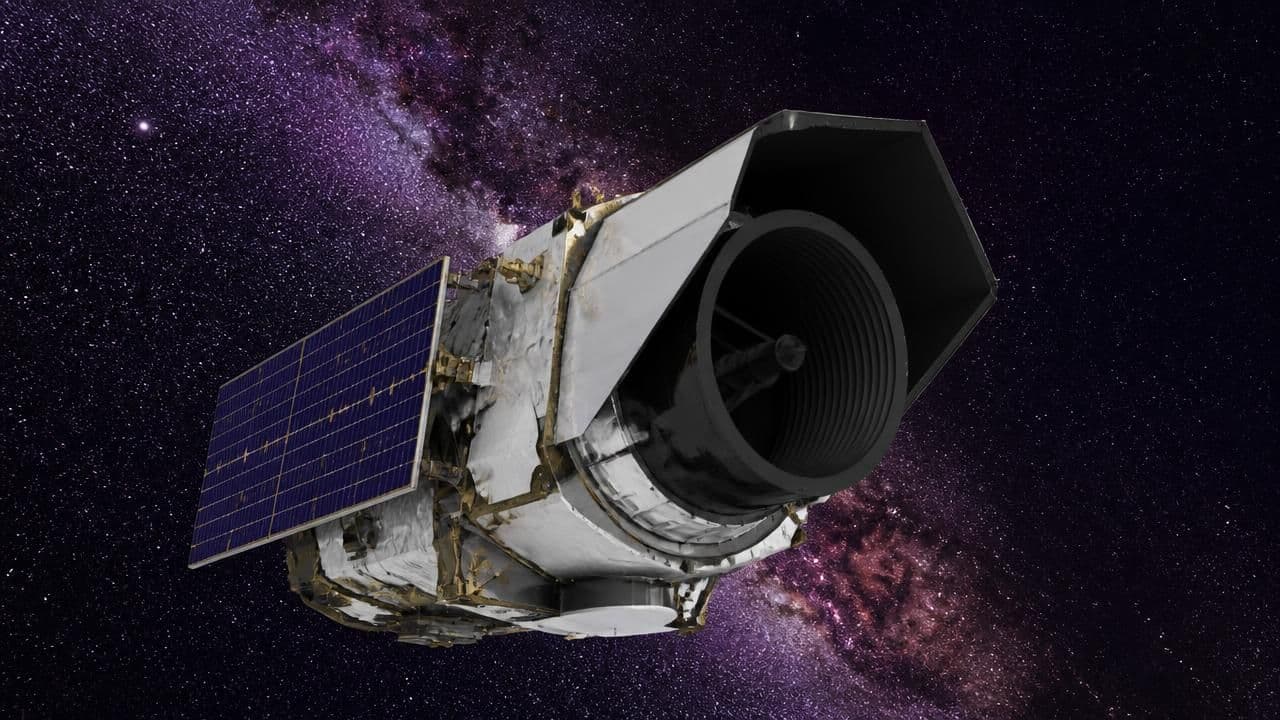
Roman Space Telescope is in space and has detected starlight, but first images won't arrive until 2027; PRIMA far-infrared probe advances to Phase B.
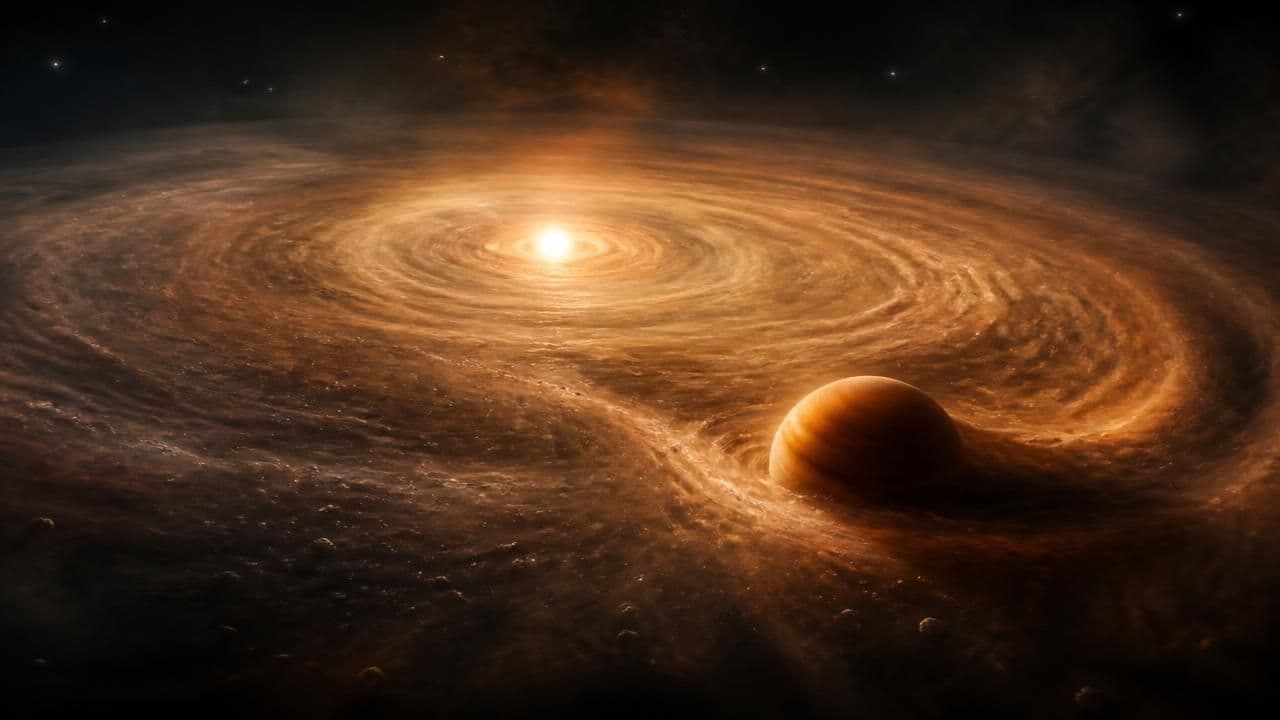
A Jupiter-size world less than a million years old is orbiting far from its star, forcing theorists to rethink how giant planets are born.
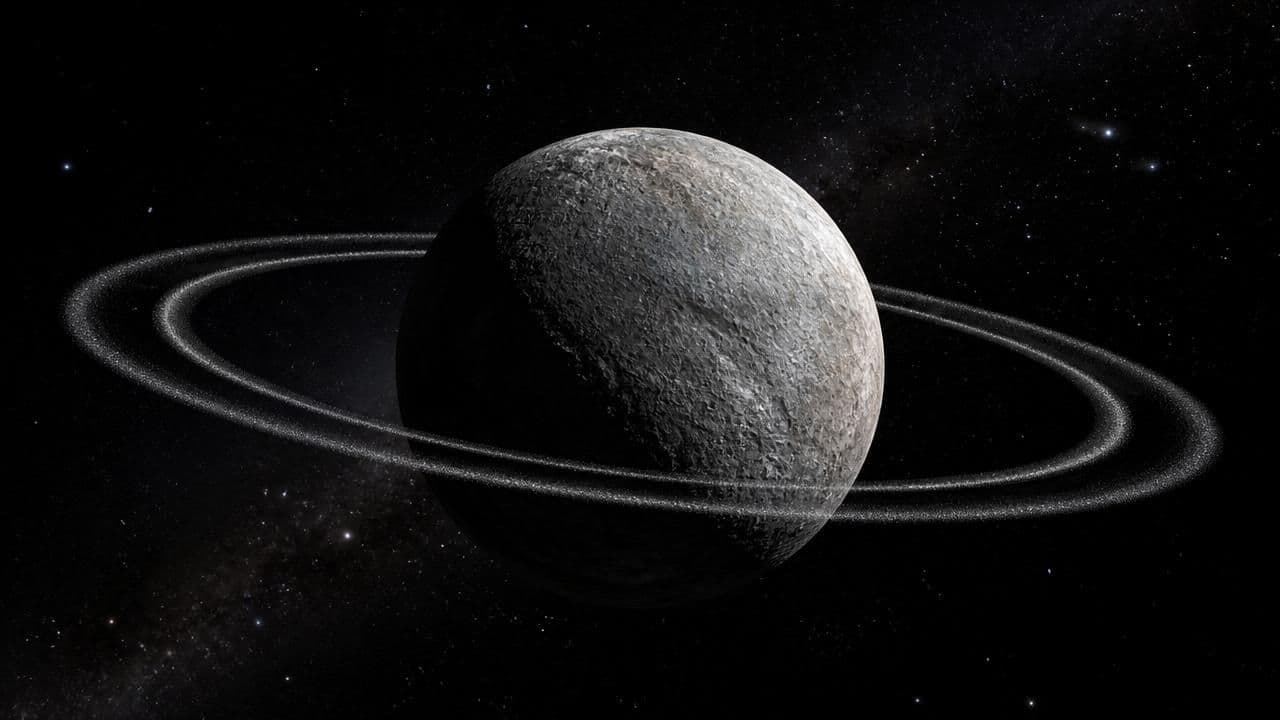
The tiny centaur between Saturn and Uranus is the smallest known body with a ring system — and new Webb data show both rings shifting in opacity over just a few years.
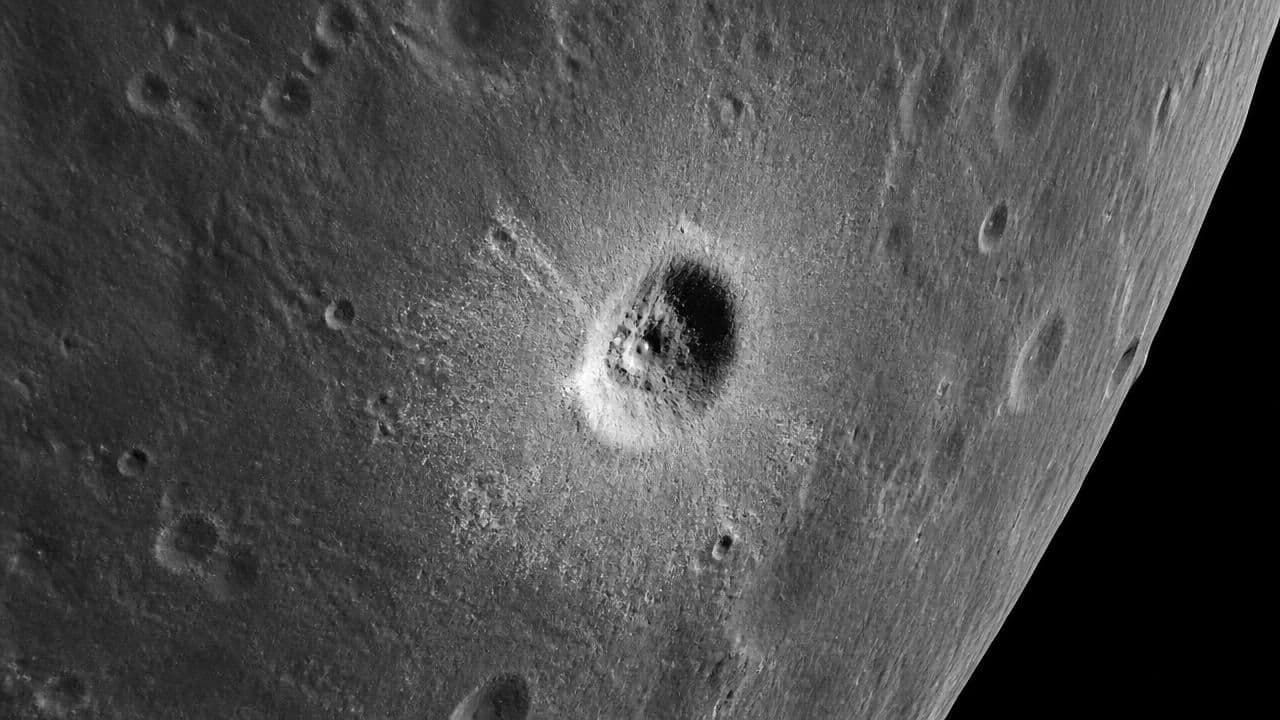
The 728-foot-wide McGetchin crater formed in 2024 when a building-sized object struck the Moon, the largest newly formed crater ever found.
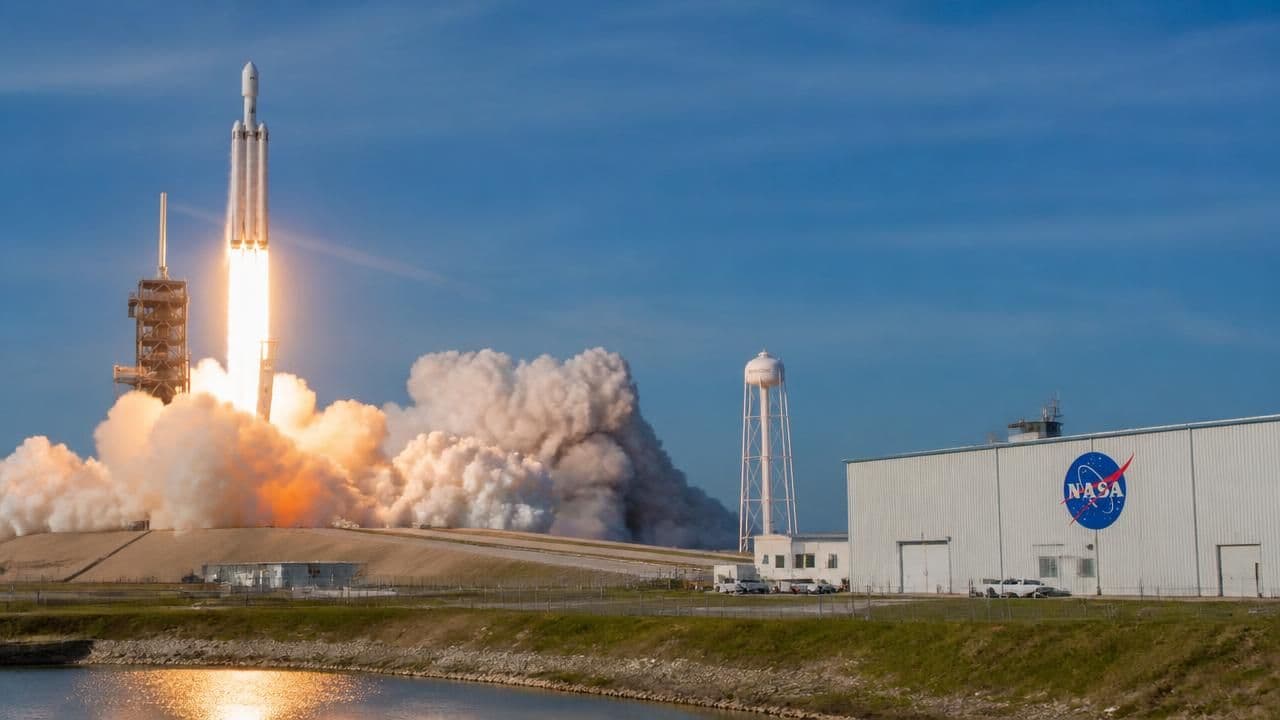
The $4.3 billion observatory launched on a Falcon Heavy will outlive its planned mission thanks to an almost perfectly executed trajectory.
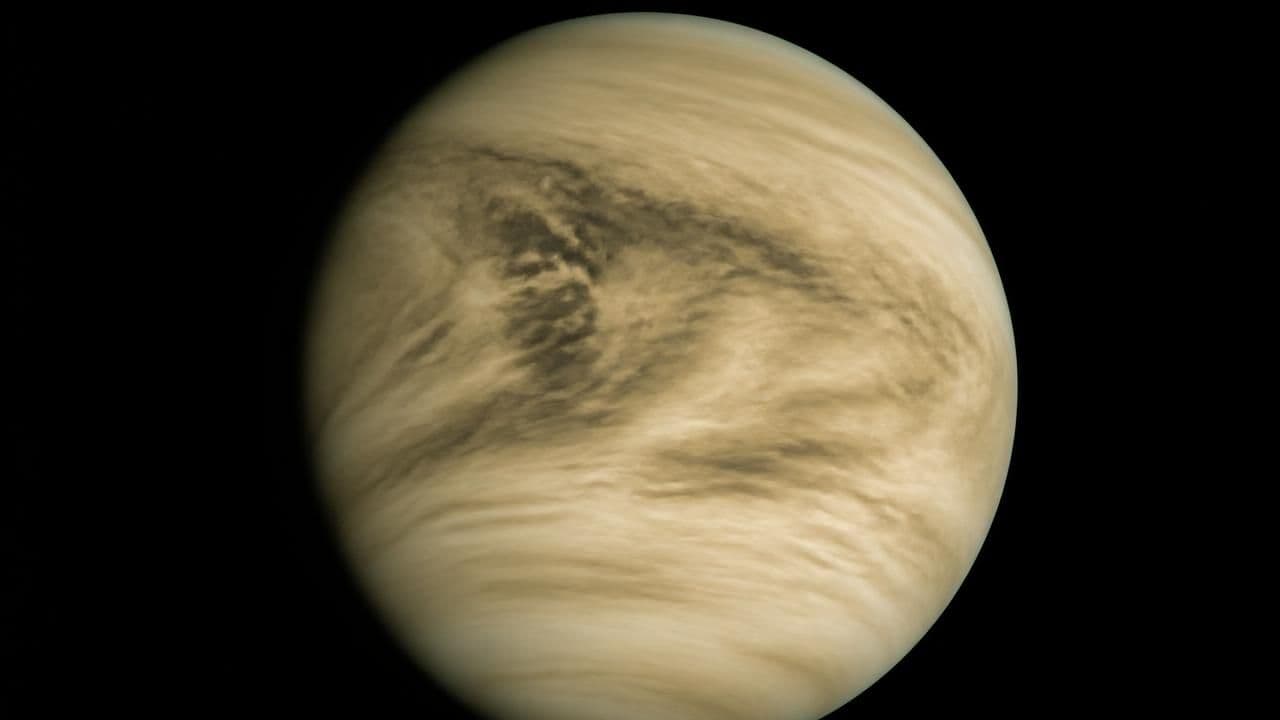
New calculations constrain how strongly the material behind Venus's dark ultraviolet patterns must absorb light, narrowing a century-old mystery.

Working with Hubble and Webb, the X-ray observatory unveils multi-wavelength portraits of colliding galaxies, including the furious merger II Zw 096.

Mid-infrared observations of IRS 3 reveal oxygen-rich silicate dust and a first-of-its-kind water signature in a stellar envelope just steps from Sagittarius A*.
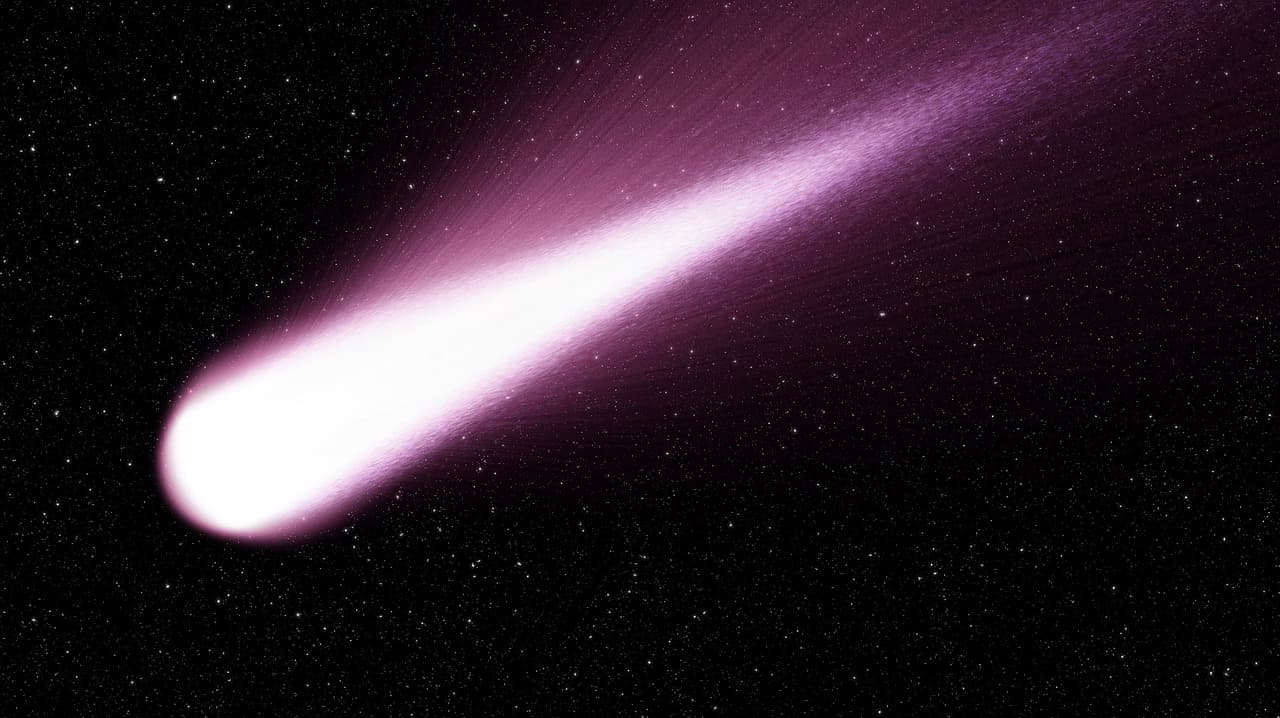
ALMA detects exceptionally high methanol levels and icy grains that act like miniature comets, suggesting 3I/ATLAS formed in a unique cosmic environment.