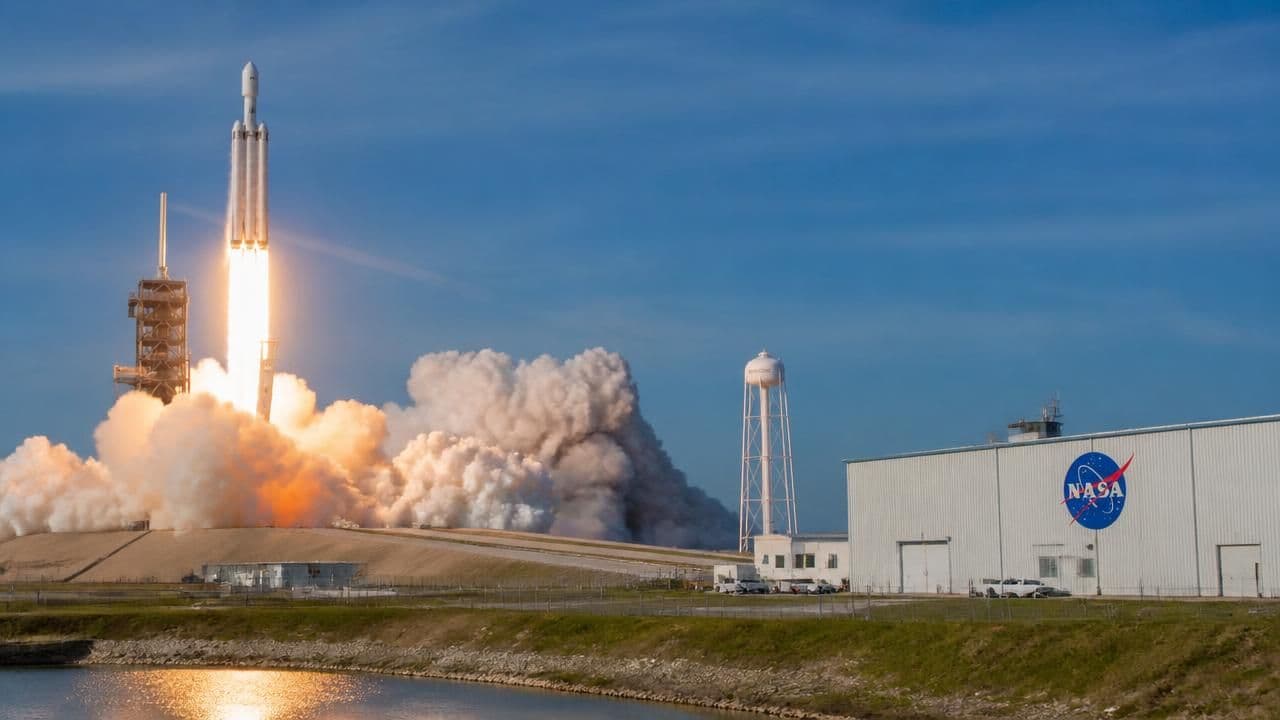
NASA's Roman Space Telescope Has Fuel for 22 Years, Doubling Expectations
The $4.3 billion observatory launched on a Falcon Heavy will outlive its planned mission thanks to an almost perfectly executed trajectory.
Sep 16, 20262 views
The $4.3 billion observatory launched on a Falcon Heavy will outlive its planned mission thanks to an almost perfectly executed trajectory.
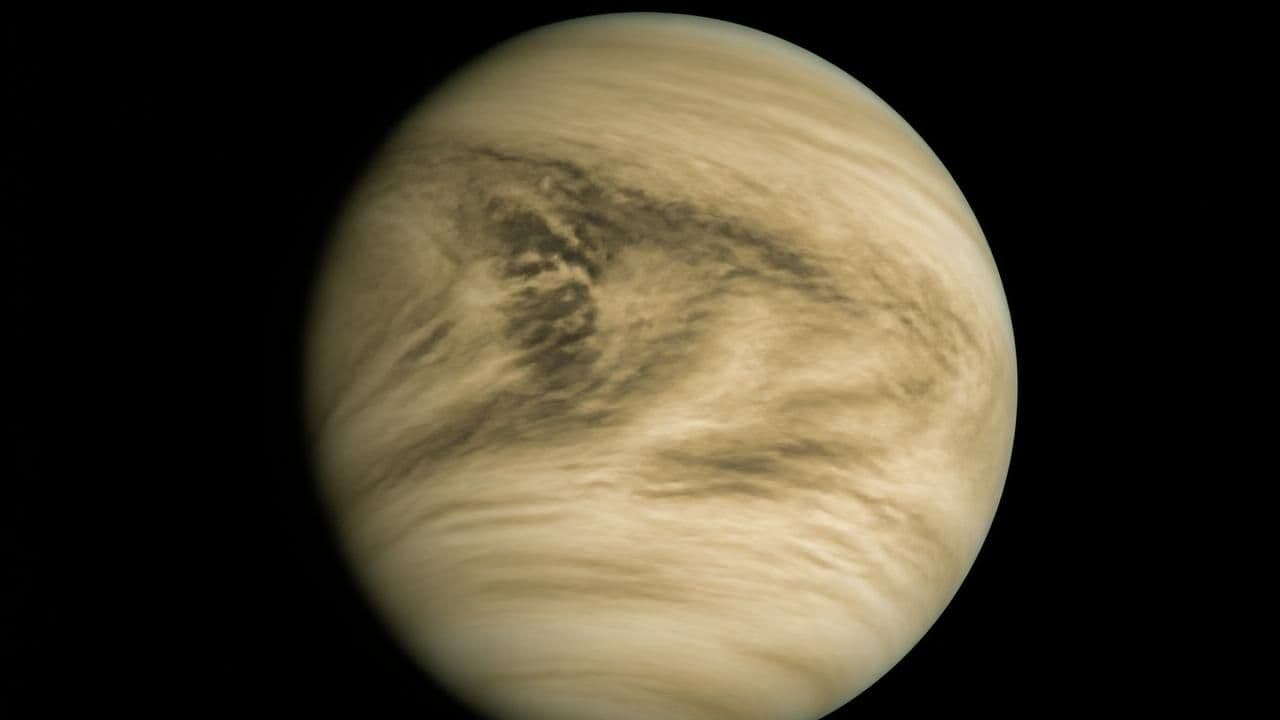
New calculations constrain how strongly the material behind Venus's dark ultraviolet patterns must absorb light, narrowing a century-old mystery.

Working with Hubble and Webb, the X-ray observatory unveils multi-wavelength portraits of colliding galaxies, including the furious merger II Zw 096.

Mid-infrared observations of IRS 3 reveal oxygen-rich silicate dust and a first-of-its-kind water signature in a stellar envelope just steps from Sagittarius A*.
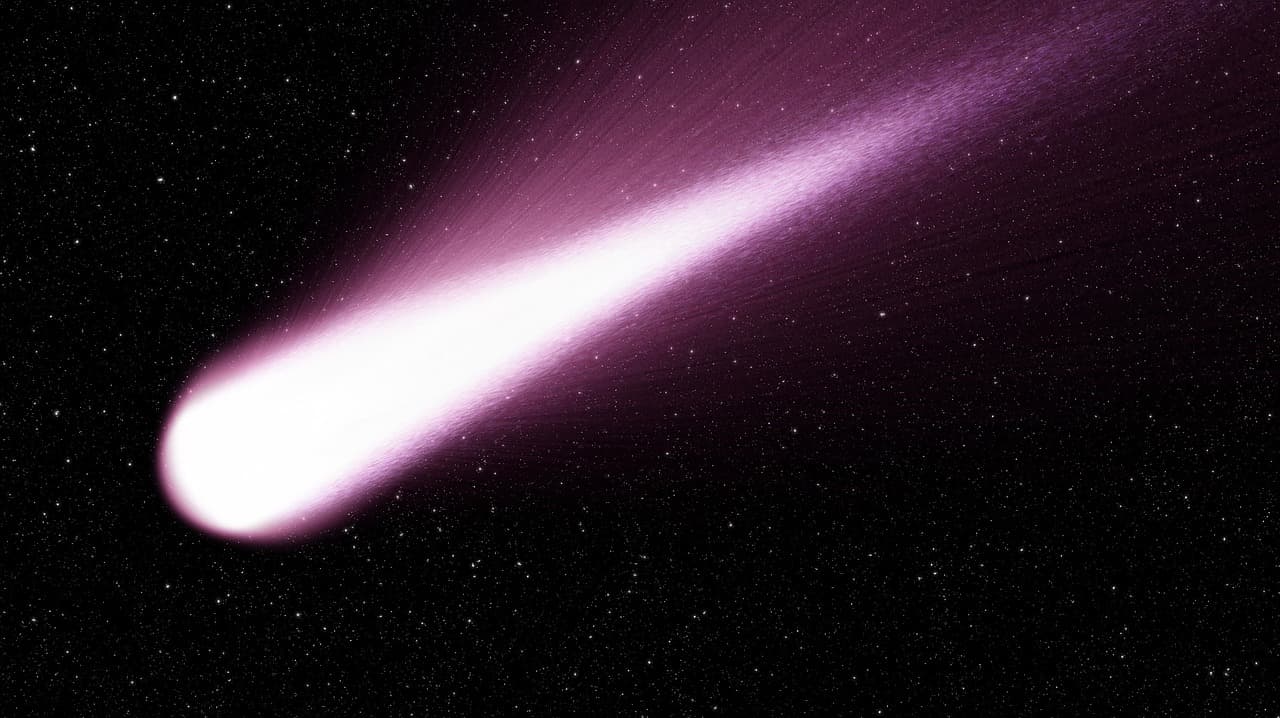
ALMA detects exceptionally high methanol levels and icy grains that act like miniature comets, suggesting 3I/ATLAS formed in a unique cosmic environment.
NASA's Hubble Space Telescope images N44's dramatic central void and gas shell in the Large Magellanic Cloud.
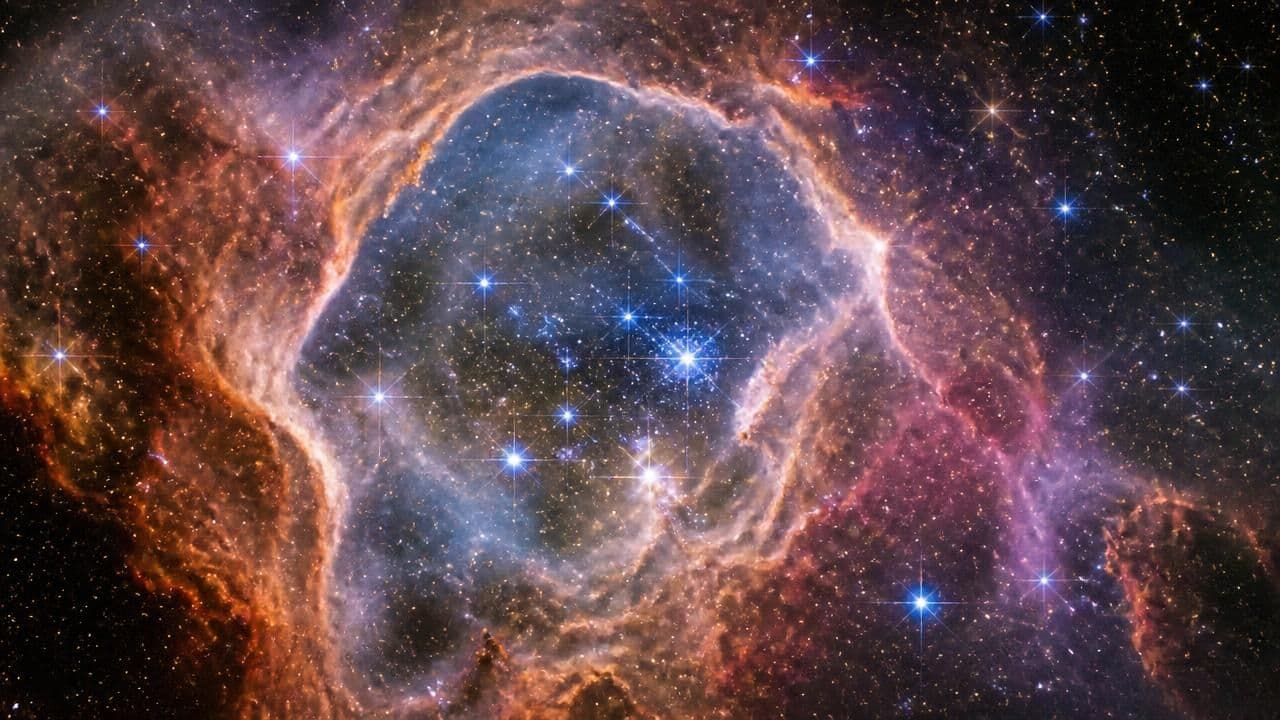
New Hubble imagery of N44 showcases a mysterious superbubble, while related observations probe star bursts and supernova blasts in nearby dwarf galaxies.
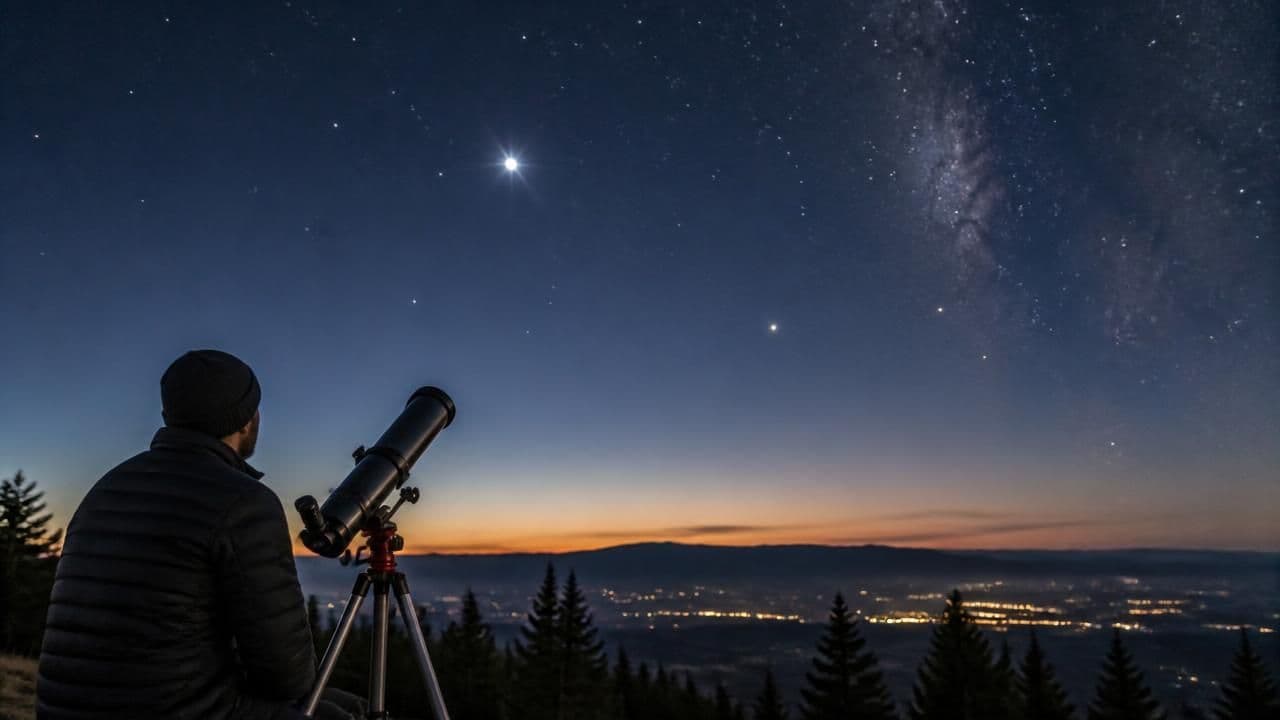
From Venus at its brightest to the fall equinox and the Harvest Moon near Saturn, September's night sky offers a rich lineup.
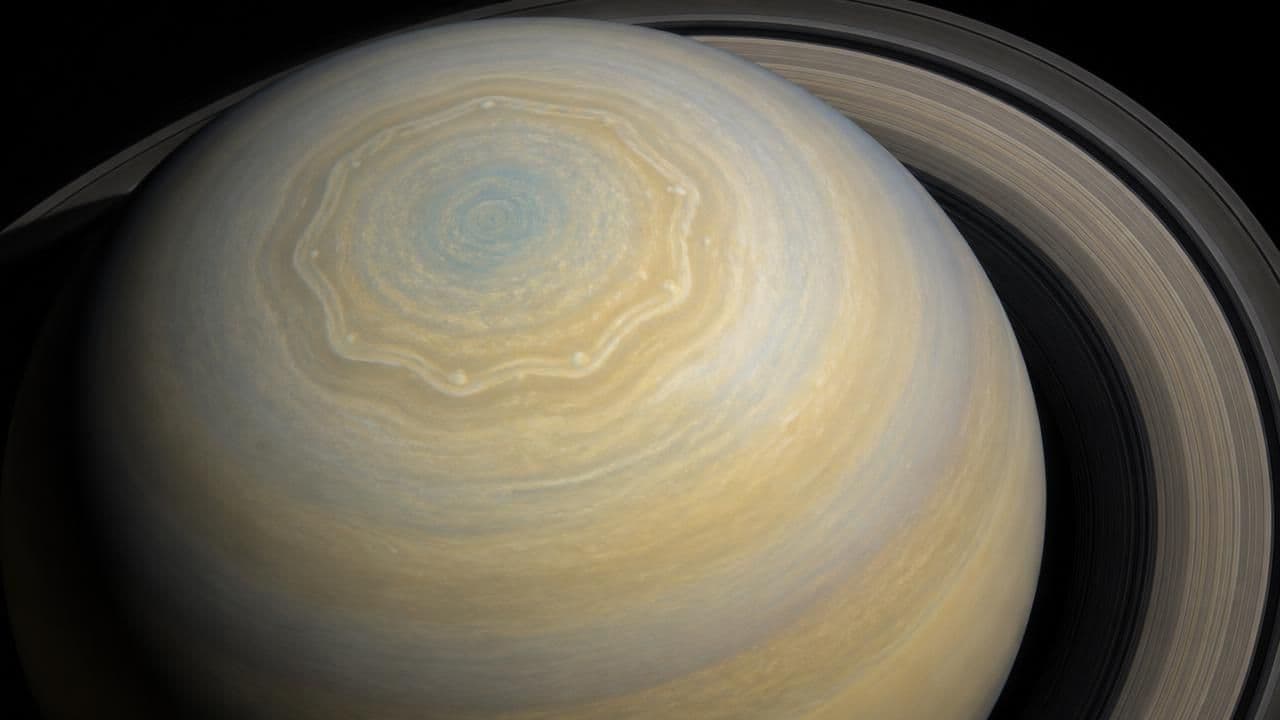
NASA's Hubble Space Telescope reveals a 10-sided wave encircling Saturn's south pole, a new atmospheric phenomenon unlike the famous hexagon at its north pole.
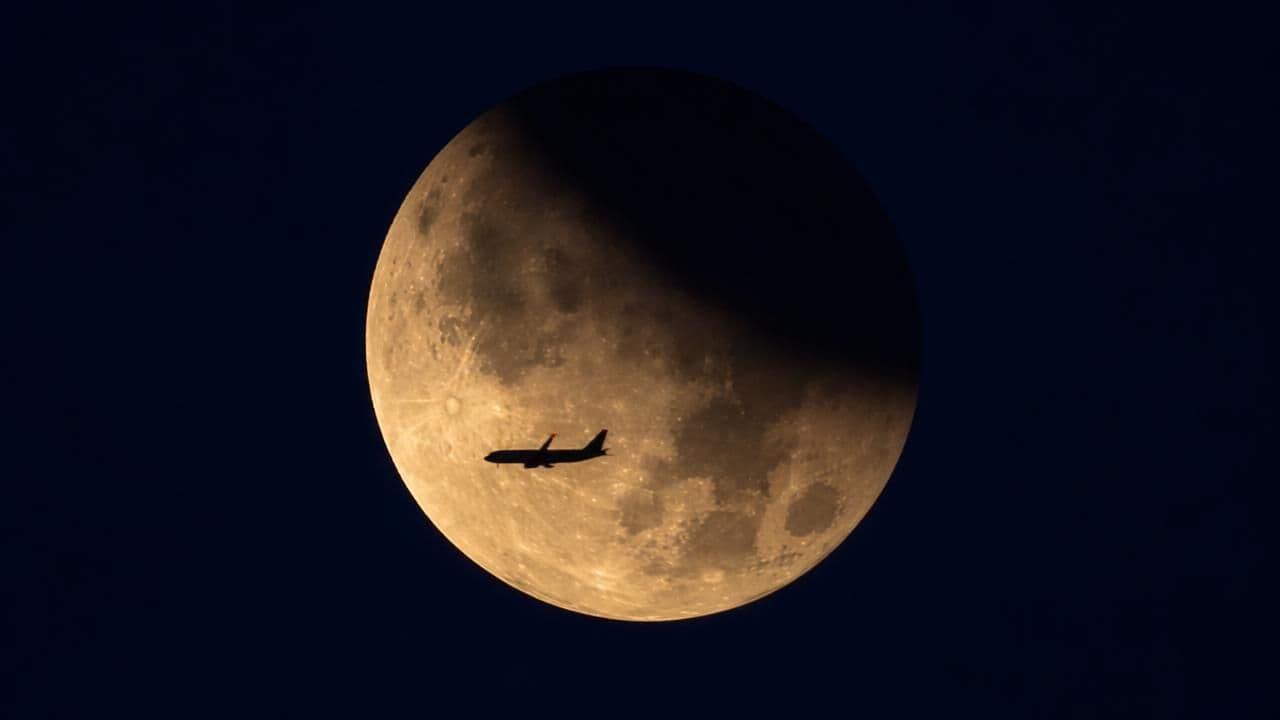
NASA's Astronomy Picture of the Day highlights a lunar eclipse from Portugal, showing an airplane silhouette, while 2026 offers several eclipses for skywatchers.