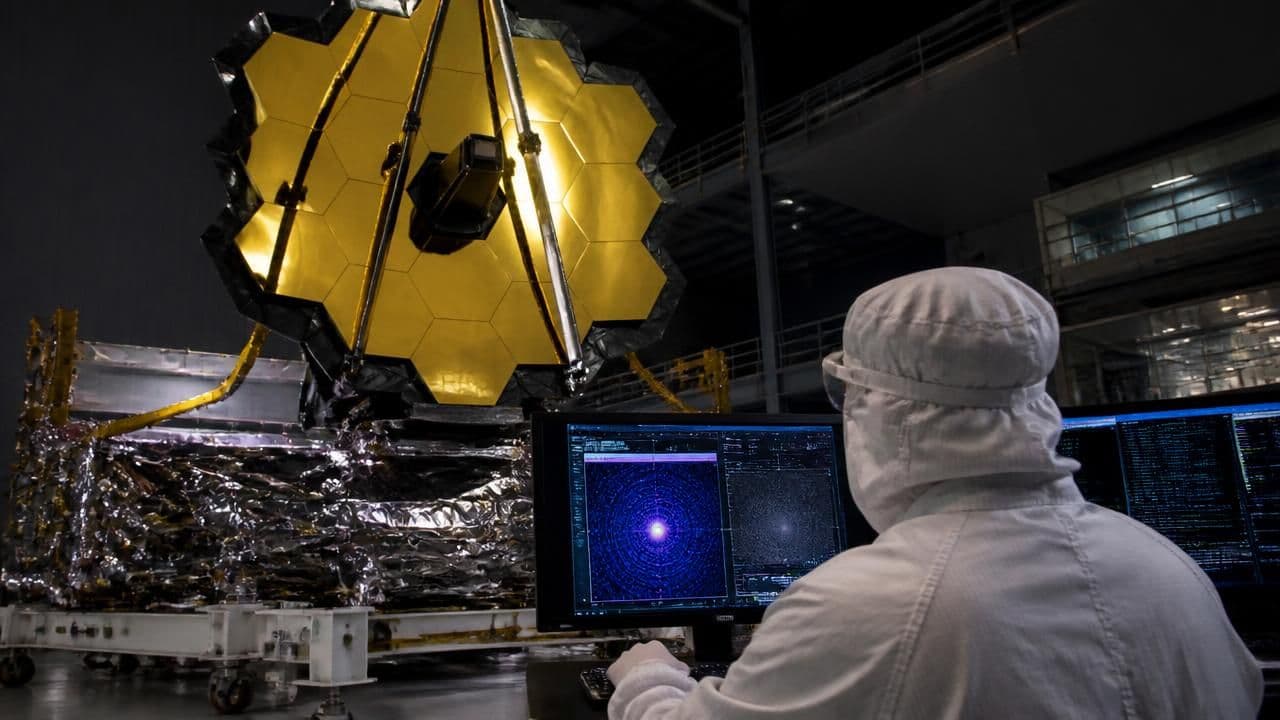
JWST 'digital twin' software sharpens exoplanet views by removing starlight
Northwestern astrophysicists' computational method models telescope glare, improving direct imaging of faint worlds up to 15 times in early tests.
Nov 5, 20264 views
Northwestern astrophysicists' computational method models telescope glare, improving direct imaging of faint worlds up to 15 times in early tests.
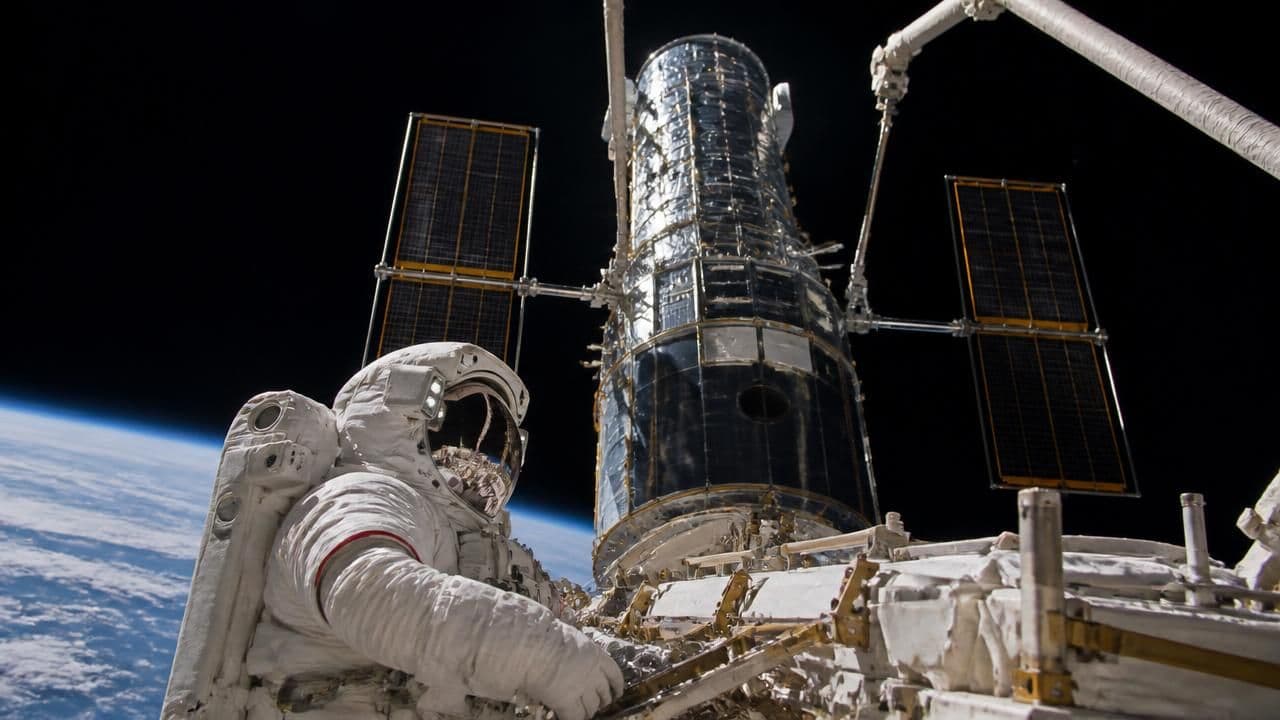
From a 500,000-star cluster to the Milky Way's crowded core, the 35-year-old telescope is reconstructing how galaxies grew — and scouting for Roman

Drone flight at Rogers Dry Lake demonstrates autonomous terrain mapping and hazard avoidance NASA calls critical for Moon and Mars missions
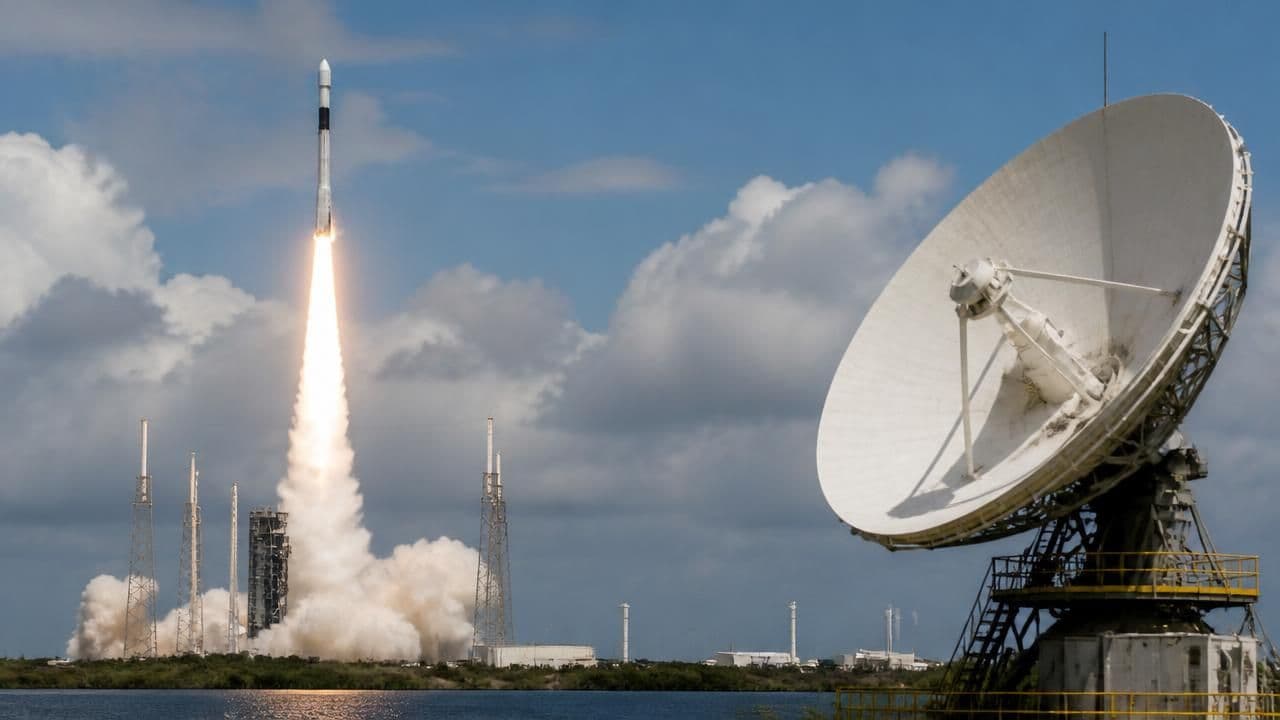
Astranis, Global Enterprise Solutions and Viasat win NASA relay contracts; Rocket Lab-built Maxwell advances commercial space comms.
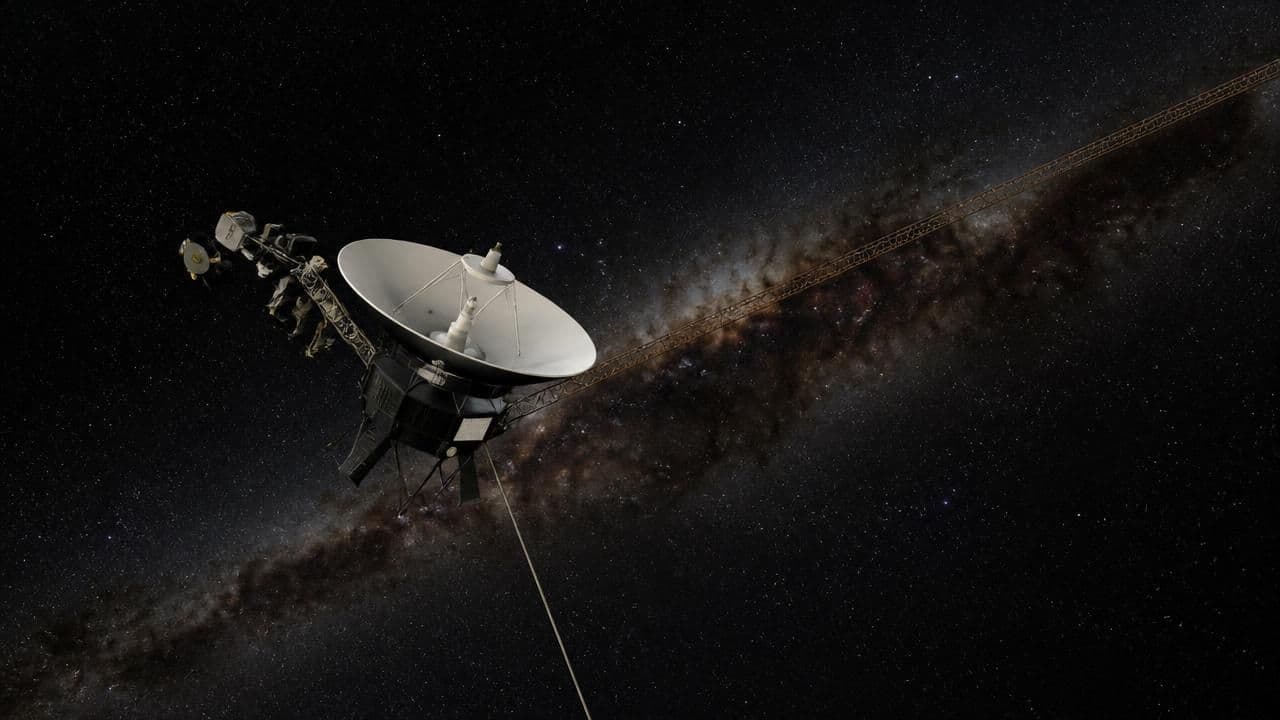
On November 18, 2026, the 49-year-old probe crosses a threshold where a radio signal takes a full day to arrive — even as NASA battles failing power and mystery glitches.
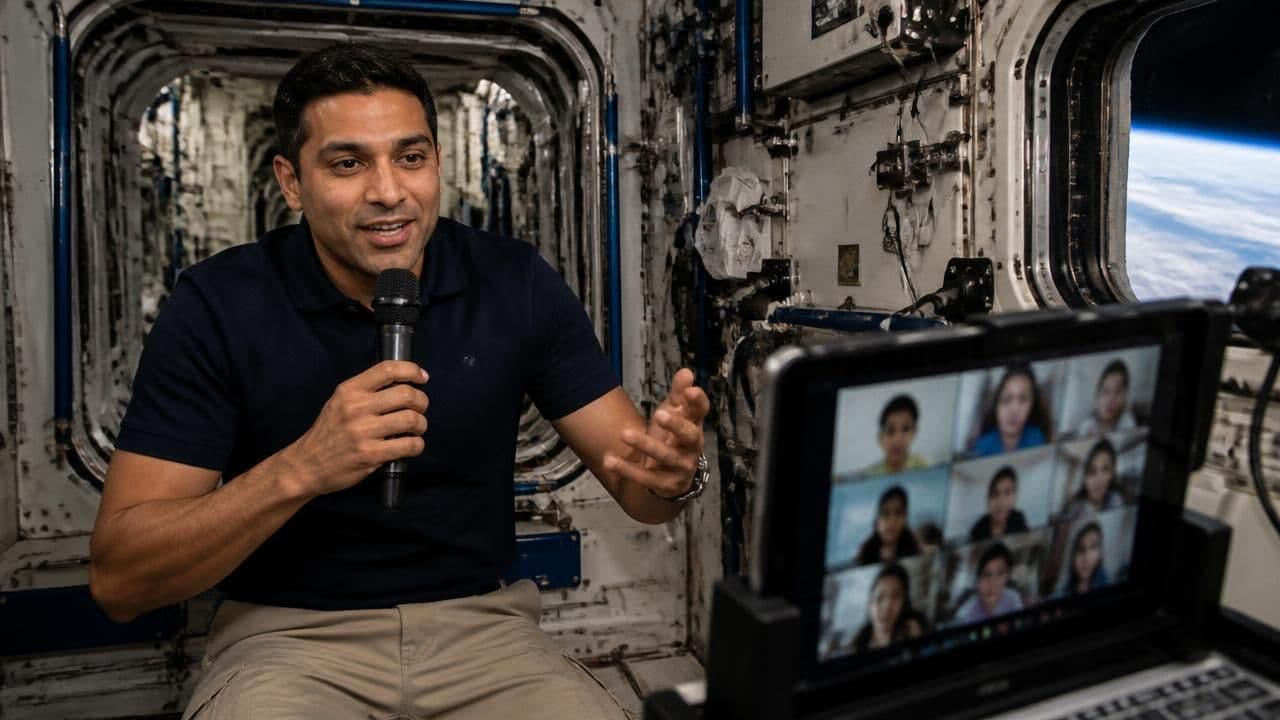
A space station downlink with astronaut Anil Menon and science creator Mark Rober headlines a broader push that reaches from North Carolina to Colorado.
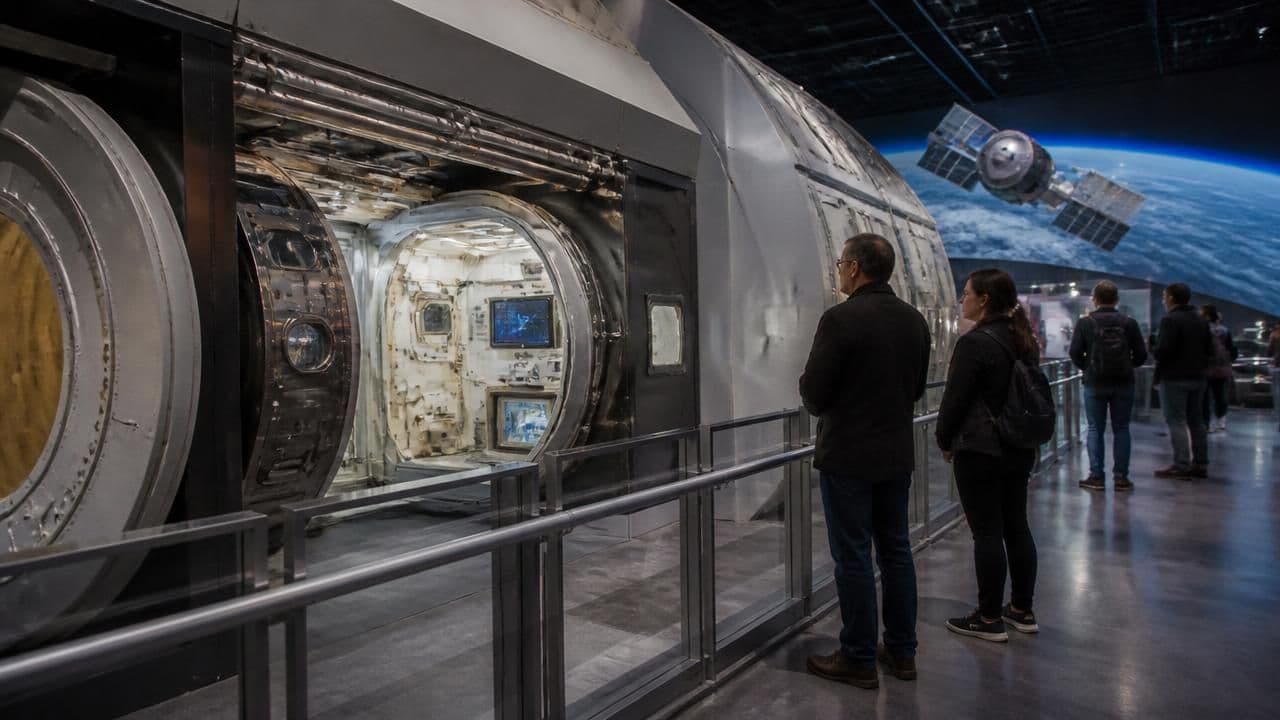
After seven years and nearly $1 billion, the Washington, D.C., museum opens its final galleries, including a long-duration spaceflight exhibition.
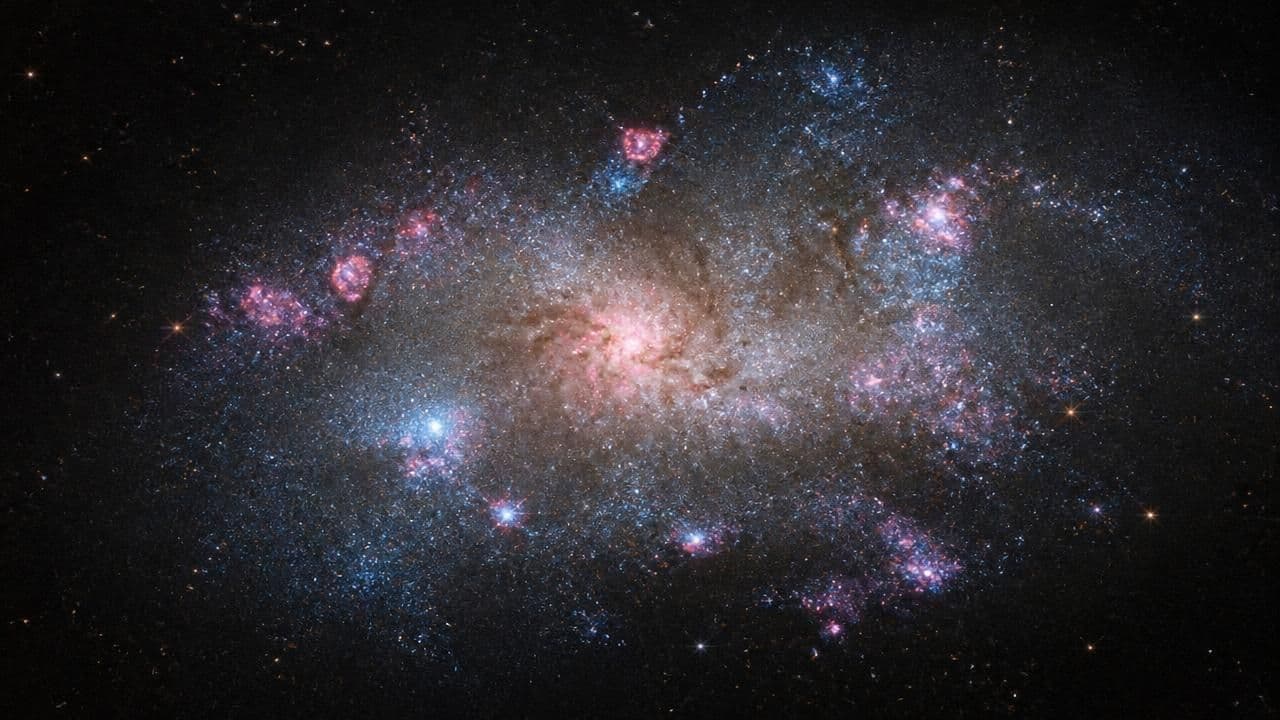
GLOW study using Hubble data shows small galaxies retain only a fraction of oxygen forged by stars, pointing to powerful galactic winds.
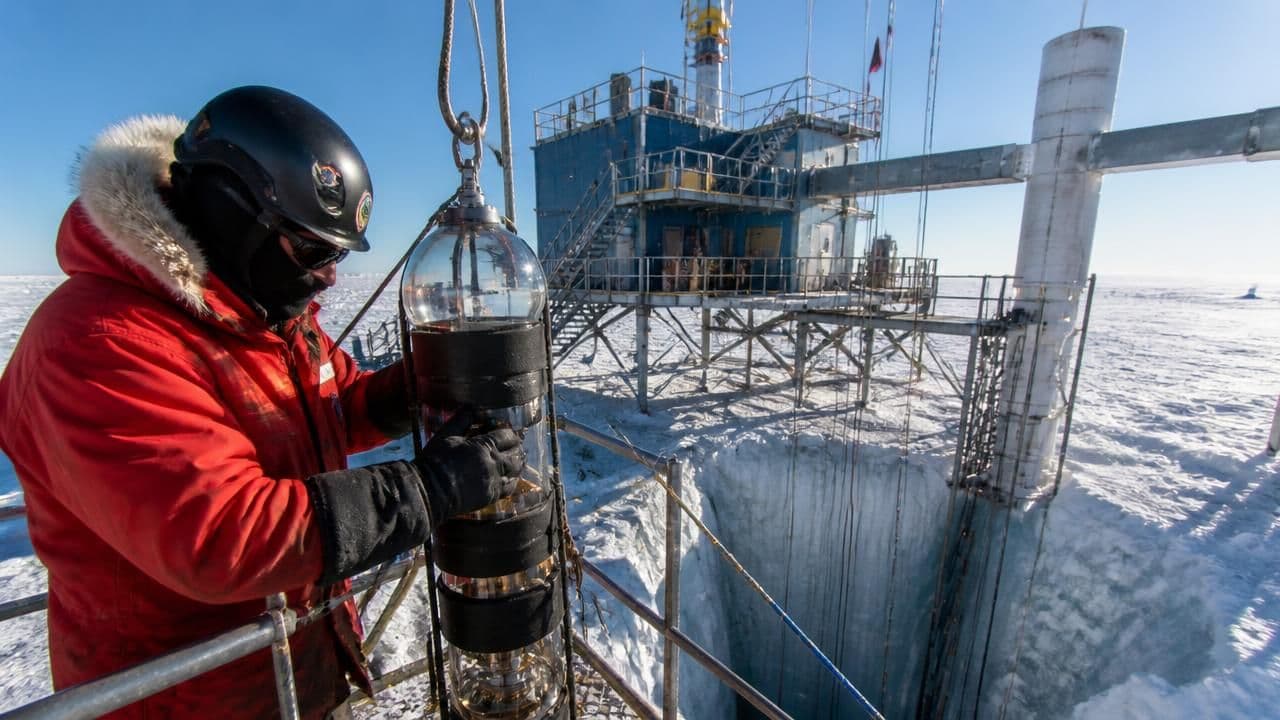
Buried deep in Antarctic ice, the world's largest neutrino detector is rewriting cosmic history — and its architects are now drawing Nobel attention.
Physicists are revisiting an overlooked particle as collider upgrades and antimatter traps probe why matter beat antimatter—and why anything exists.