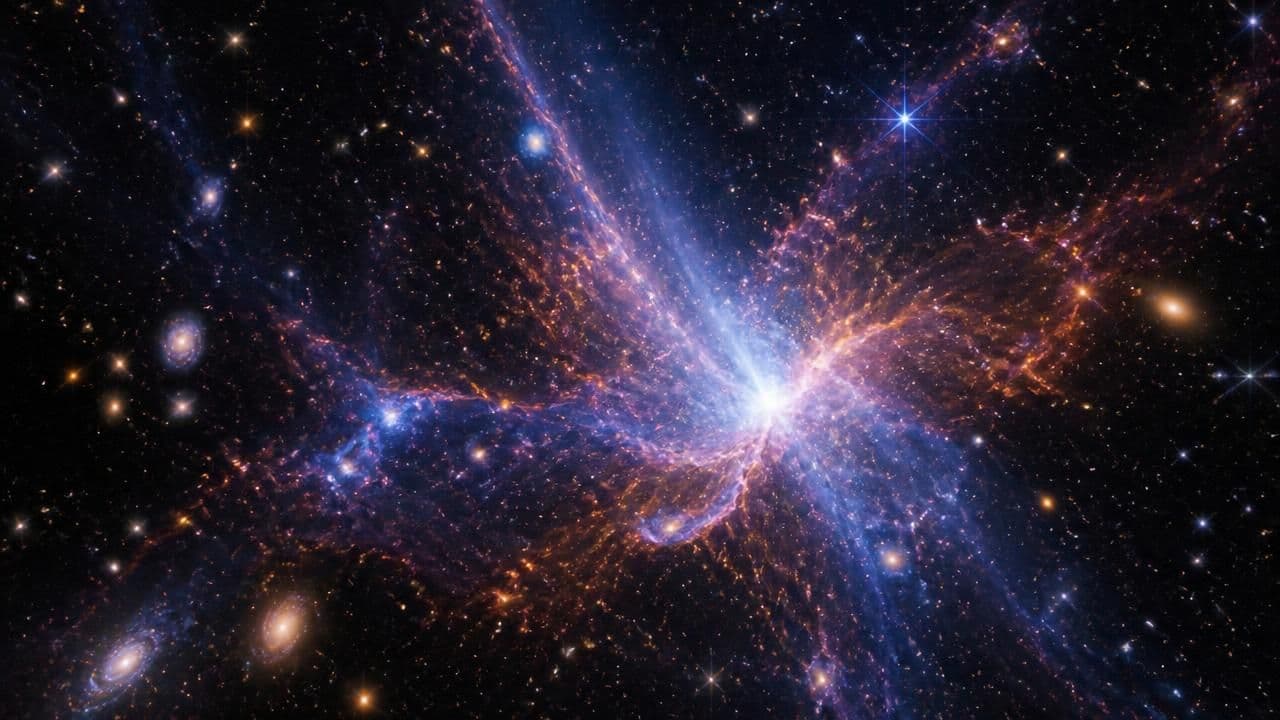
Forgotten Neutrino May Explain Why Matter Survived the Big Bang
Physicists are revisiting an overlooked particle as collider upgrades and antimatter traps probe why matter beat antimatter—and why anything exists.
Nov 1, 20268 views
Physicists are revisiting an overlooked particle as collider upgrades and antimatter traps probe why matter beat antimatter—and why anything exists.
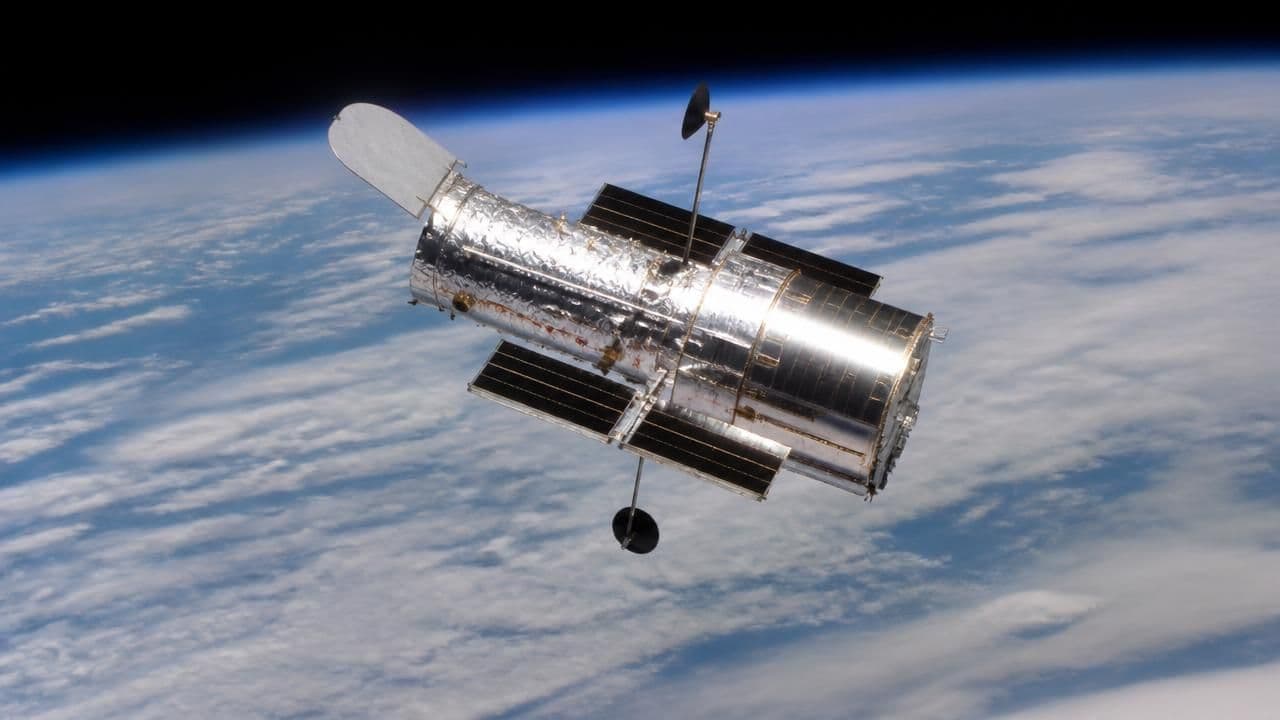
A new Request for Information seeks commercial ideas to extend the 35-year-old telescope's life as atmospheric drag slowly pulls it toward reentry.
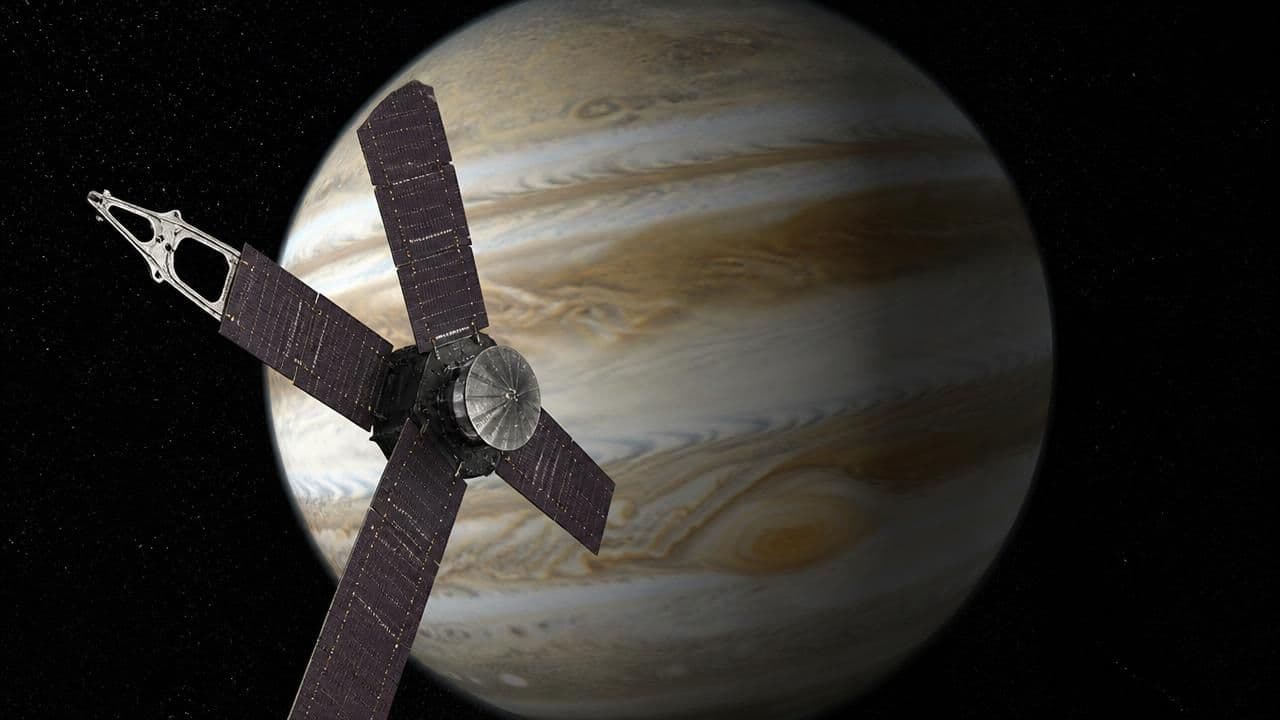
Plasma waves, multiple shock regions and lightning far more powerful than Earth's are rewriting what scientists know about the solar system's largest planet.

Senators sought answers after Ukraine’s Starlink/Starshield drones lost connectivity above 100 mph; the DoD IG declined and Musk denies ordering it.
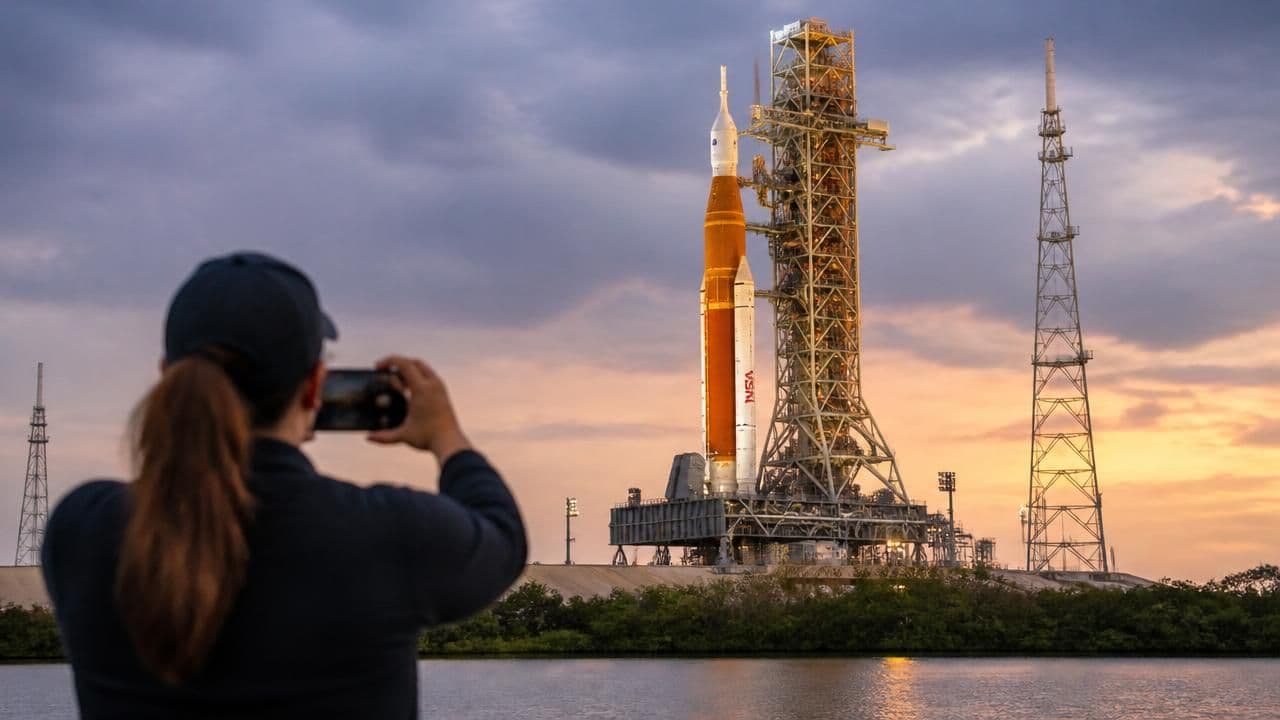
Two parallel 'fly your name' campaigns put microchips aboard Artemis II's crewed lunar flyby and the Dragonfly rotorcraft bound for Titan.
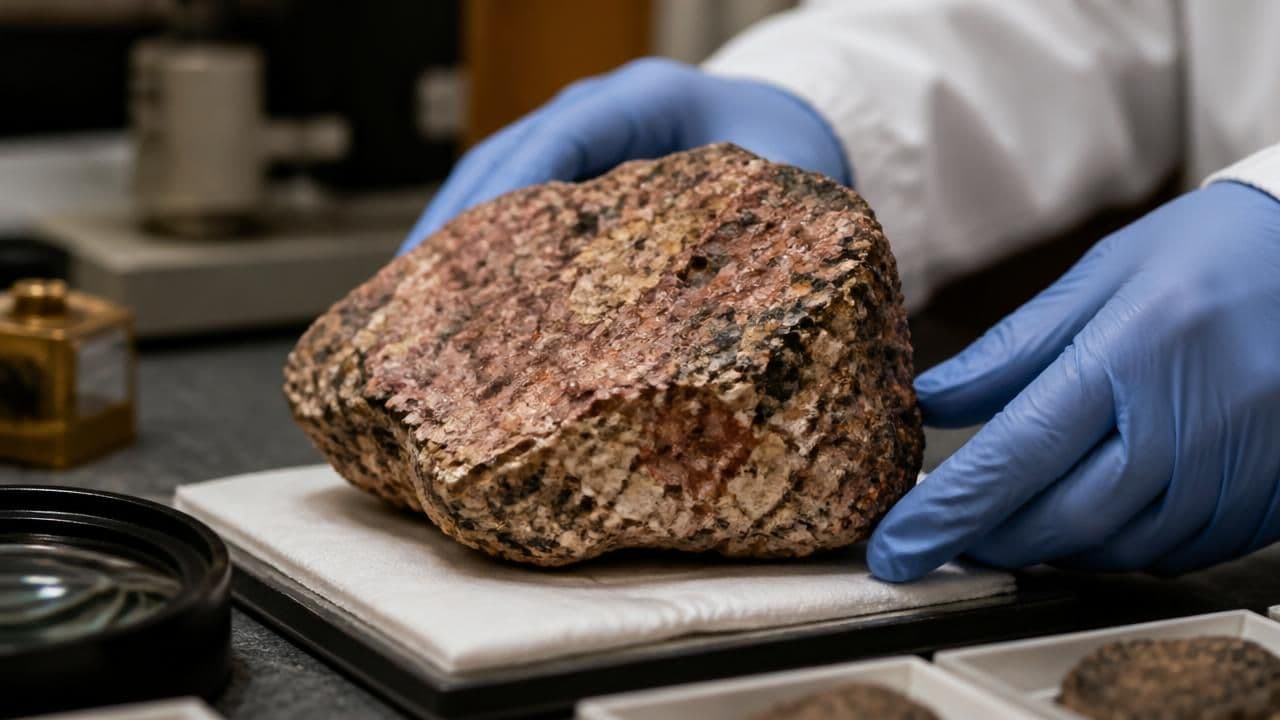
Teghaza 001, an 800-gram rose-colored rock discovered in Mali in 2022, offers a rare window into the Red Planet's ancient crust and its watery past.
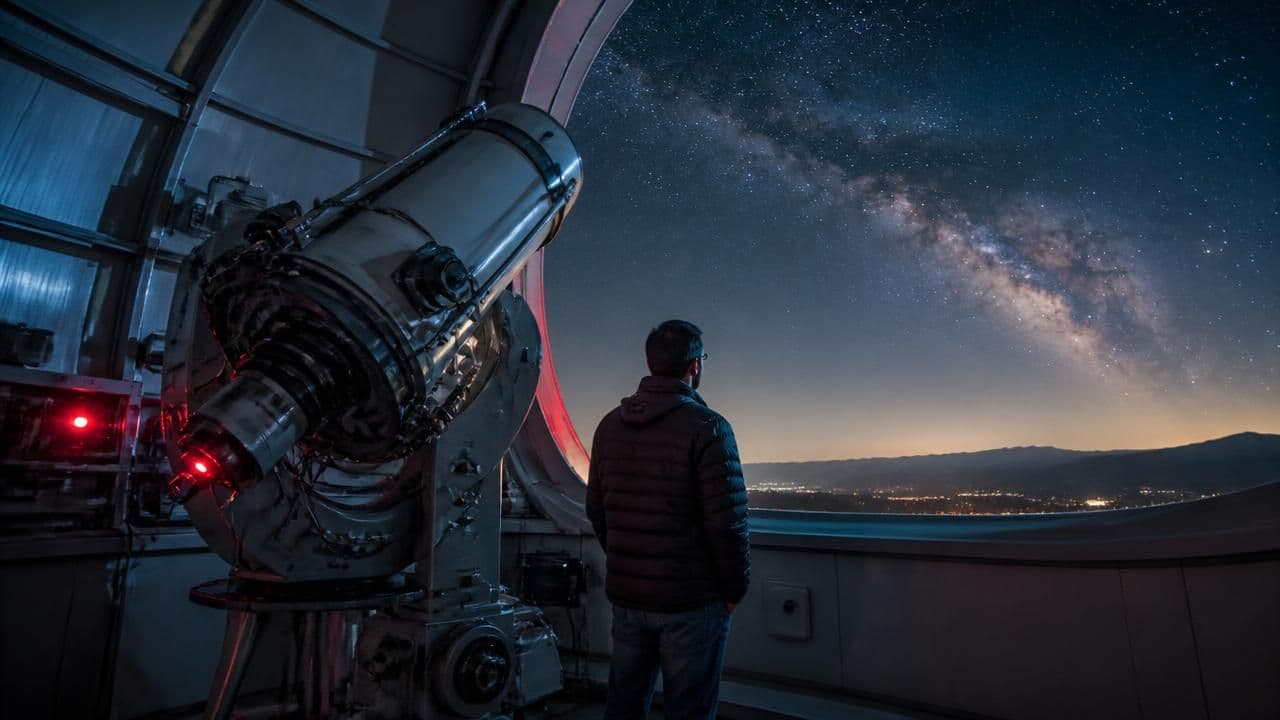
Studies argue Einstein's gravity may naturally explain cosmic acceleration, but divergent headlines and unverified claims fuel debate over the standard model.
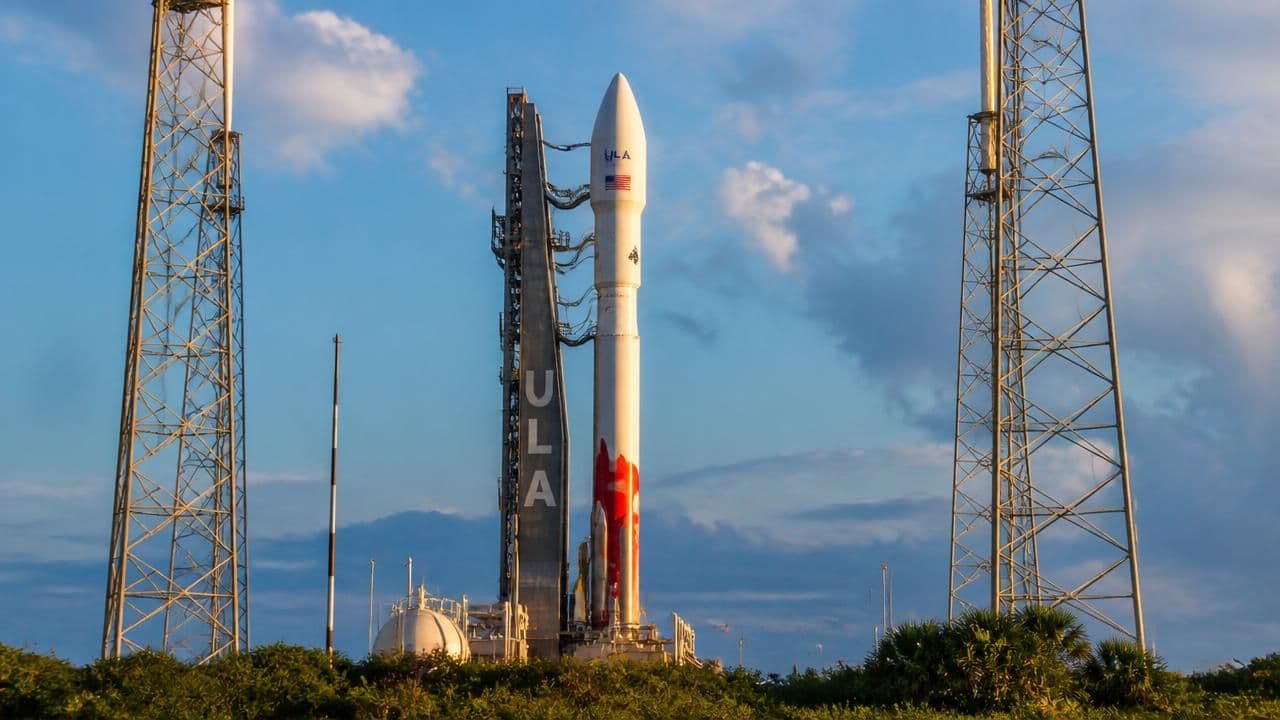
Nine months after booster nozzle failures shook Space Force confidence, ULA will relaunch its flagship rocket from Cape Canaveral on Nov. 13.
Four volunteers exit a 3D-printed Houston habitat on Oct. 31, closing NASA's second yearlong Mars analog mission as the agency recruits for the next round.

SpaceX closed a "loophole" last week after claiming offensive drone use breached its terms; Ukrainian officials deny the allegation and call it technically implausible.