
Smithsonian's Lumina Simulation Recreates Universe's First 2 Billion Years
The vast supercomputer model traces how dark matter, gas and radiation forged the first stars, galaxies and black holes after the Big Bang.
Oct 27, 20263 views
The vast supercomputer model traces how dark matter, gas and radiation forged the first stars, galaxies and black holes after the Big Bang.

Technicians in Boulder inspected the solar-cell-covered sunshade, a key thermal-control and power component for infrared telescope launching in 2027.
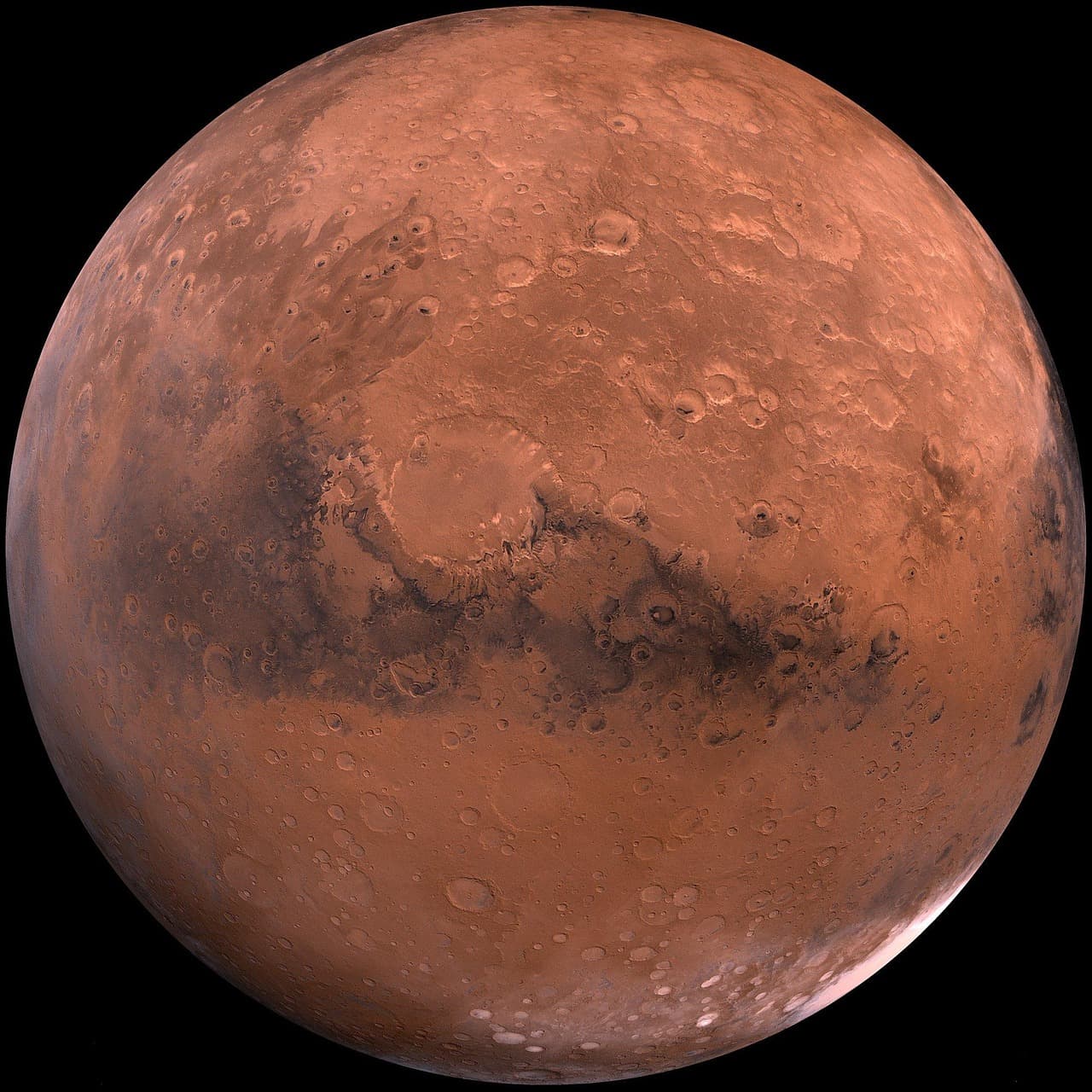
NASA’s rover maps an ancient river channel, finds nickel-rich rocks and studies hazardous dust—while the mission to return samples remains uncertain.
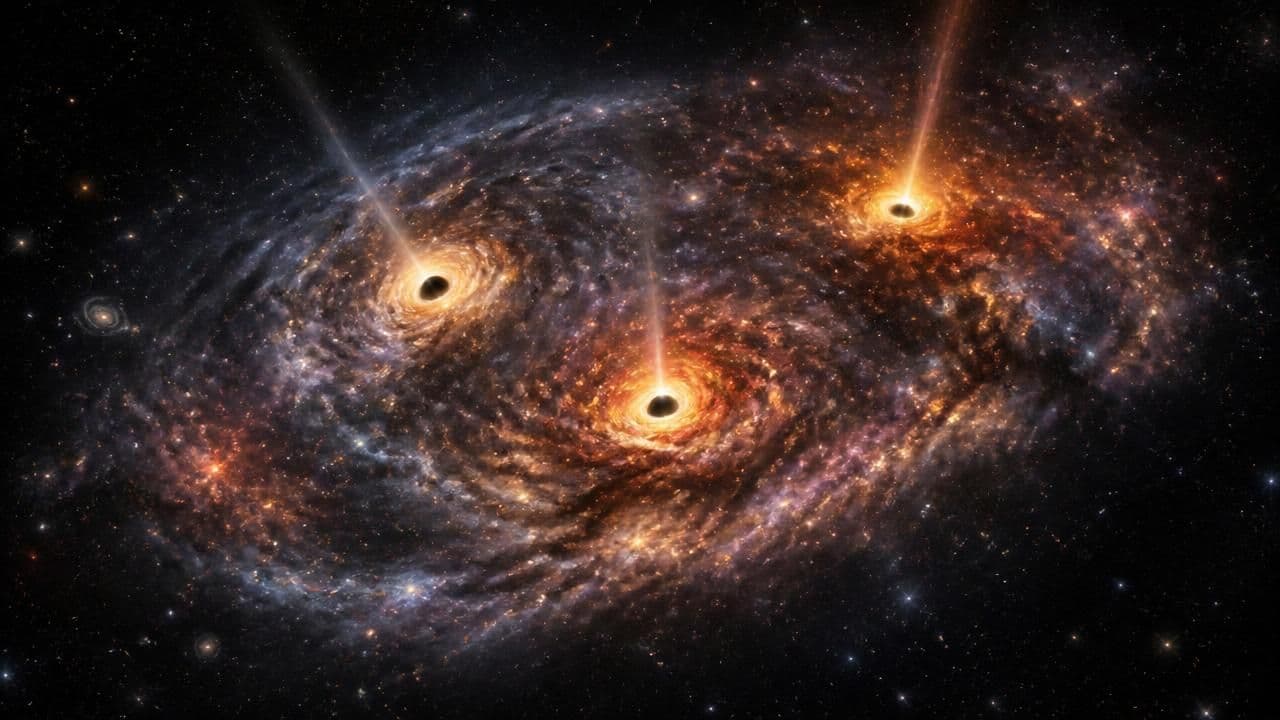
A trio 12.5 billion light-years away includes two black holes just 620 light-years apart and one growing faster than theory predicts.
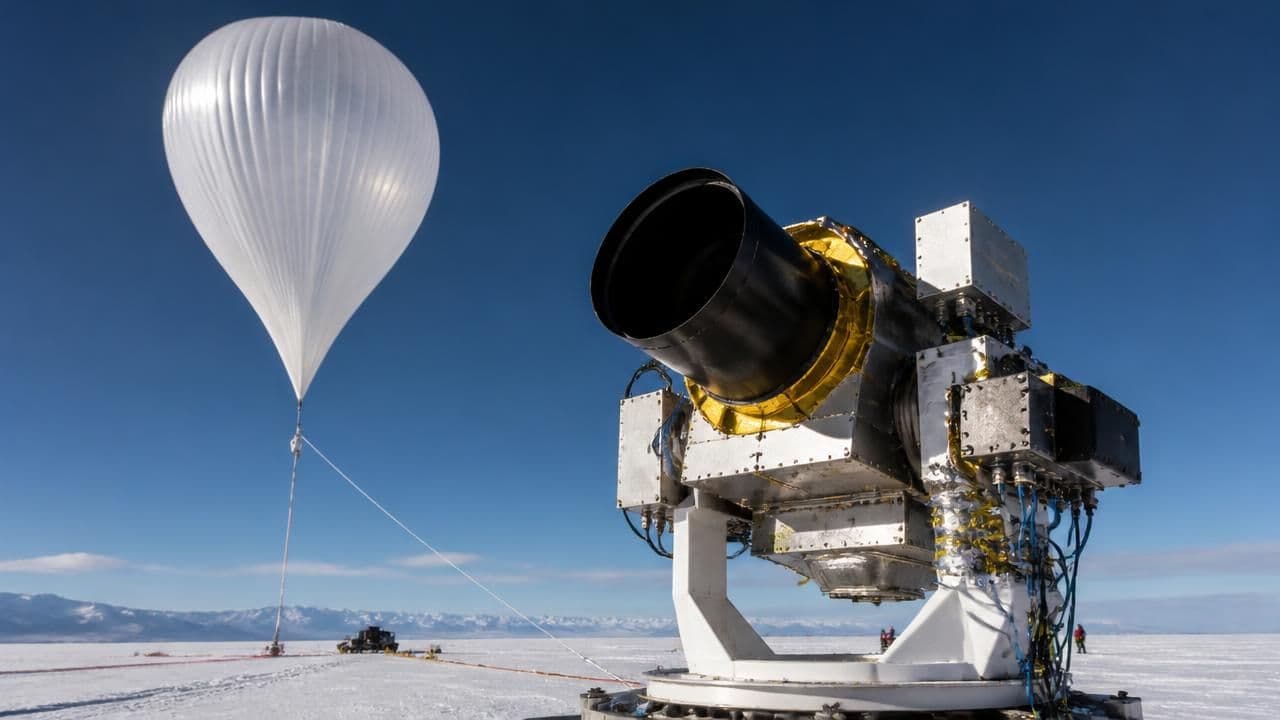
High above Earth, a solar observatory has mapped delicate magnetic threads and the fields inside towering plasma jets, deepening one of physics' oldest puzzles.
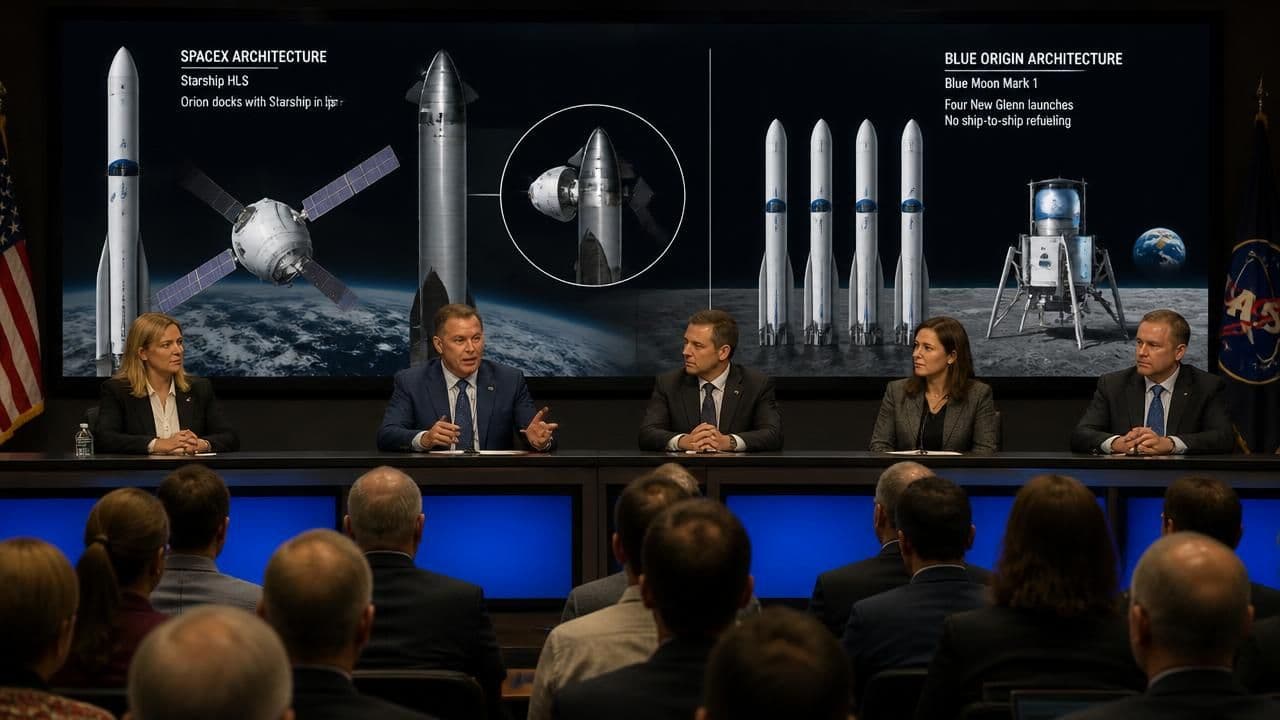
Orion will dock with SpaceX's Starship in high-Earth orbit, while Blue Origin plans four New Glenn launches without ship-to-ship refueling.
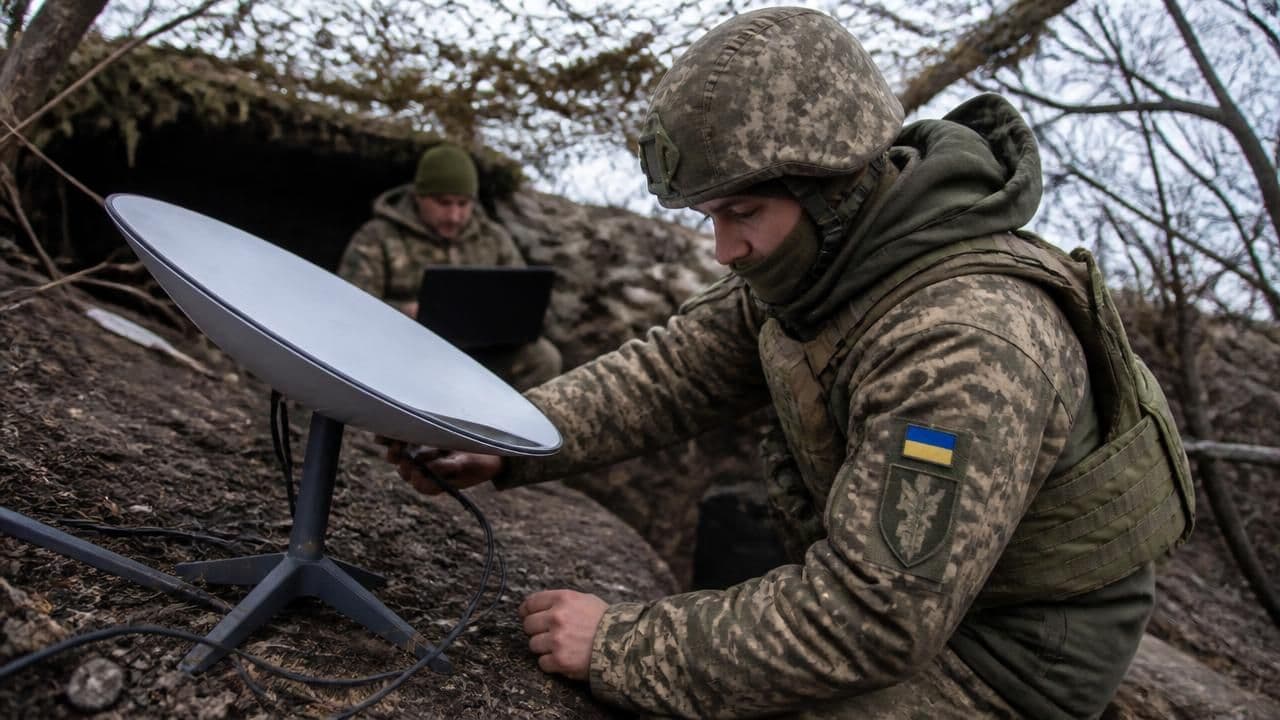
Trump reportedly pressed Musk to restore access after outages slowed drone operations, while Rubio says the call is Musk's alone — and Europe hunts for alternatives that barely exist.
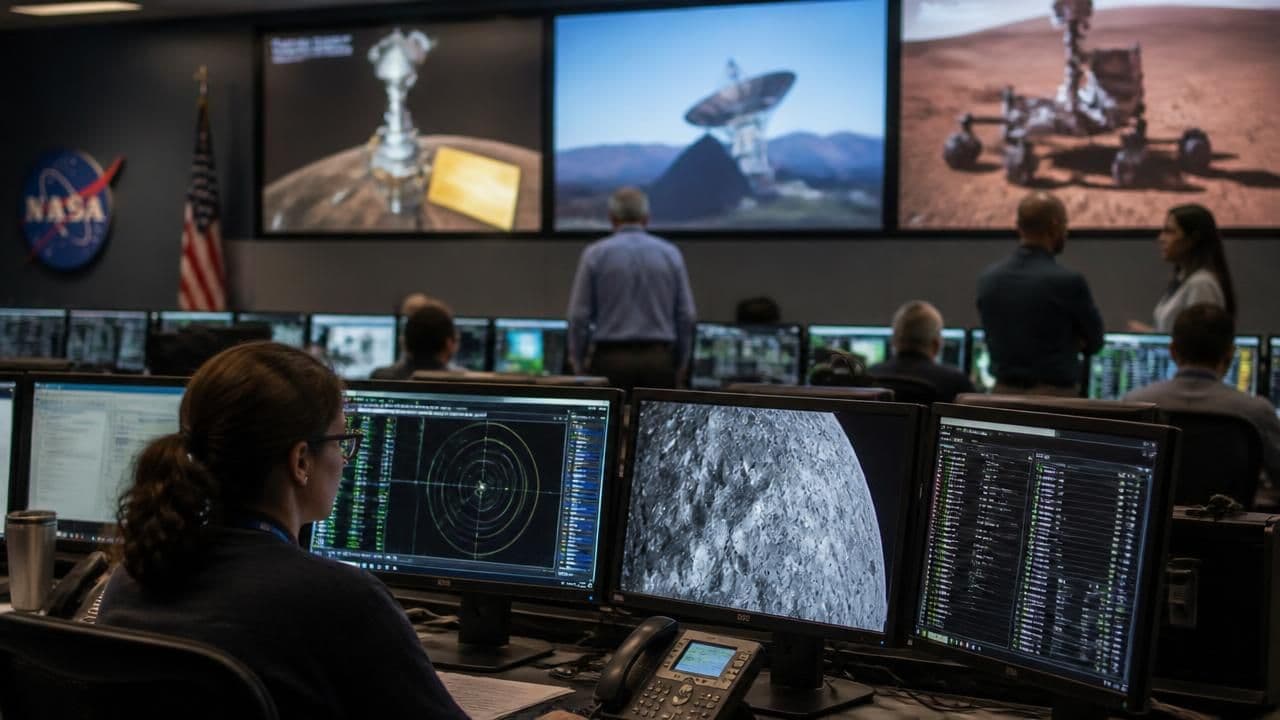
The Pasadena lab founded by Caltech students in 1936 celebrates a legacy of firsts and outlines future missions including lunar drones and Mars helicopters.
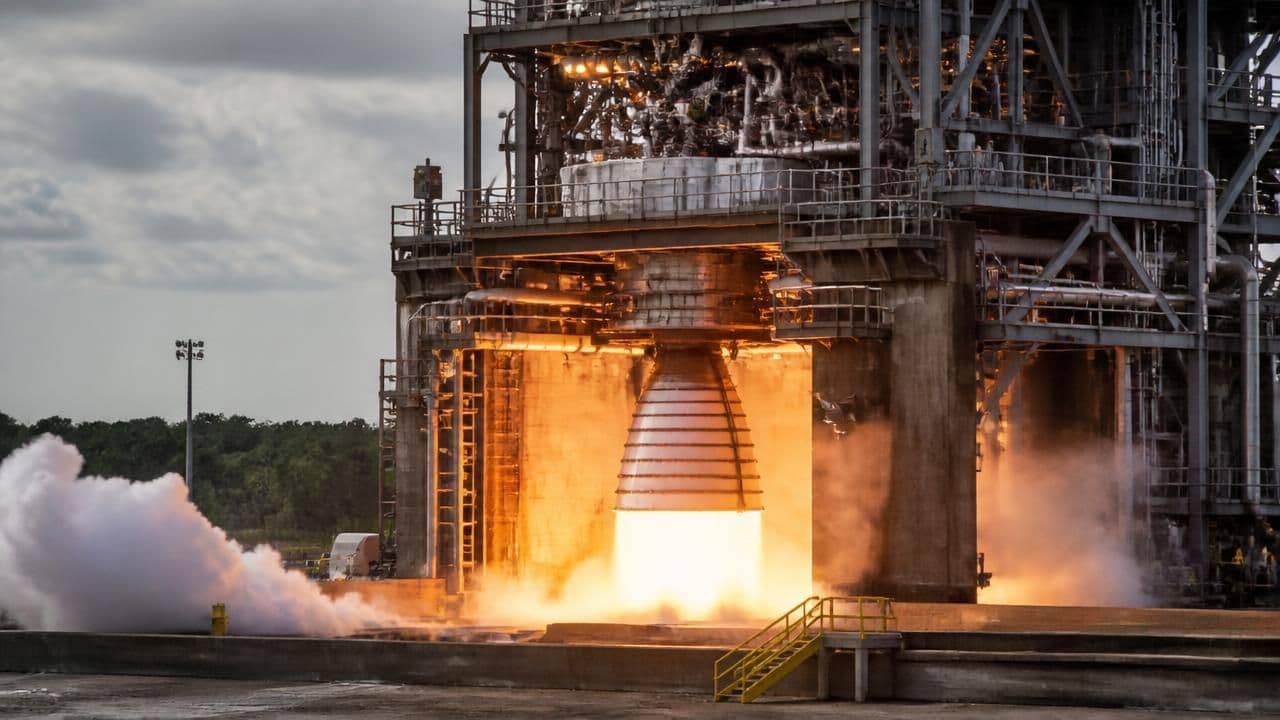
The Oct. 21 hot fire at Stennis Space Center pushed developmental engine No. 10001 to 111% power — matching the demands of an actual SLS launch.
The agency says its two-step process has grown too slow and costly, and will unveil a faster, more predictable approach at an Oct. 26 virtual town hall.