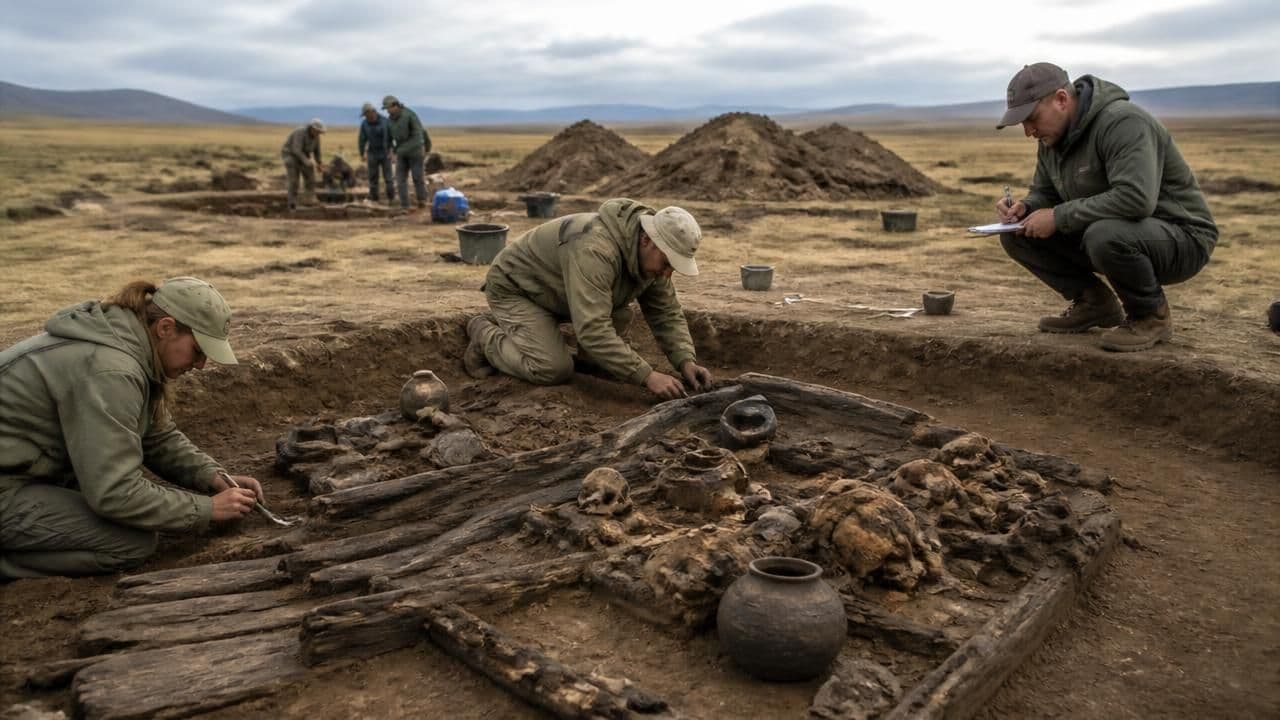
2,800-year-old Siberian tomb yields oldest evidence of cannabis intoxication
Roughly 1,000 seeds, braided hair and chemical residues from a Scythian-era burial point to deliberate ritual use of the plant's psychoactive chemistry.
Nov 8, 20260 views
Roughly 1,000 seeds, braided hair and chemical residues from a Scythian-era burial point to deliberate ritual use of the plant's psychoactive chemistry.
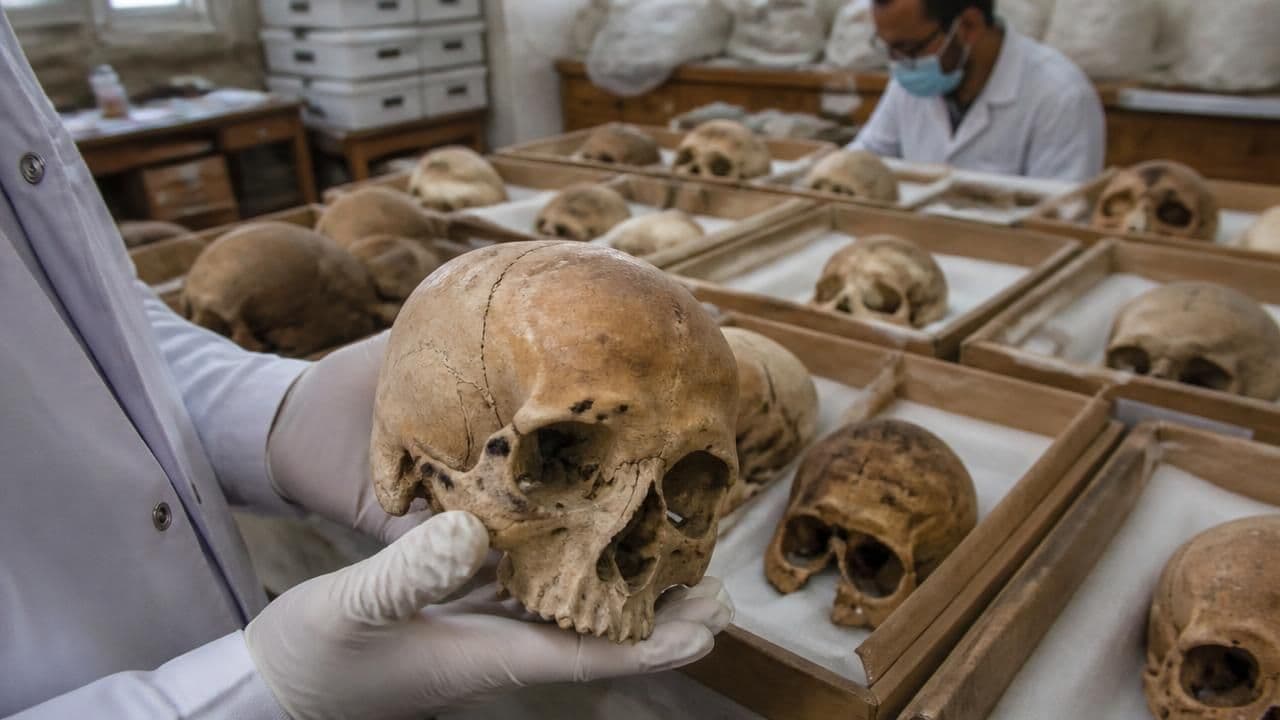
A reanalysis of skulls excavated from Abydos in the 1920s suggests over a third suffered violent deaths, reviving a century-old debate over human sacrifice.
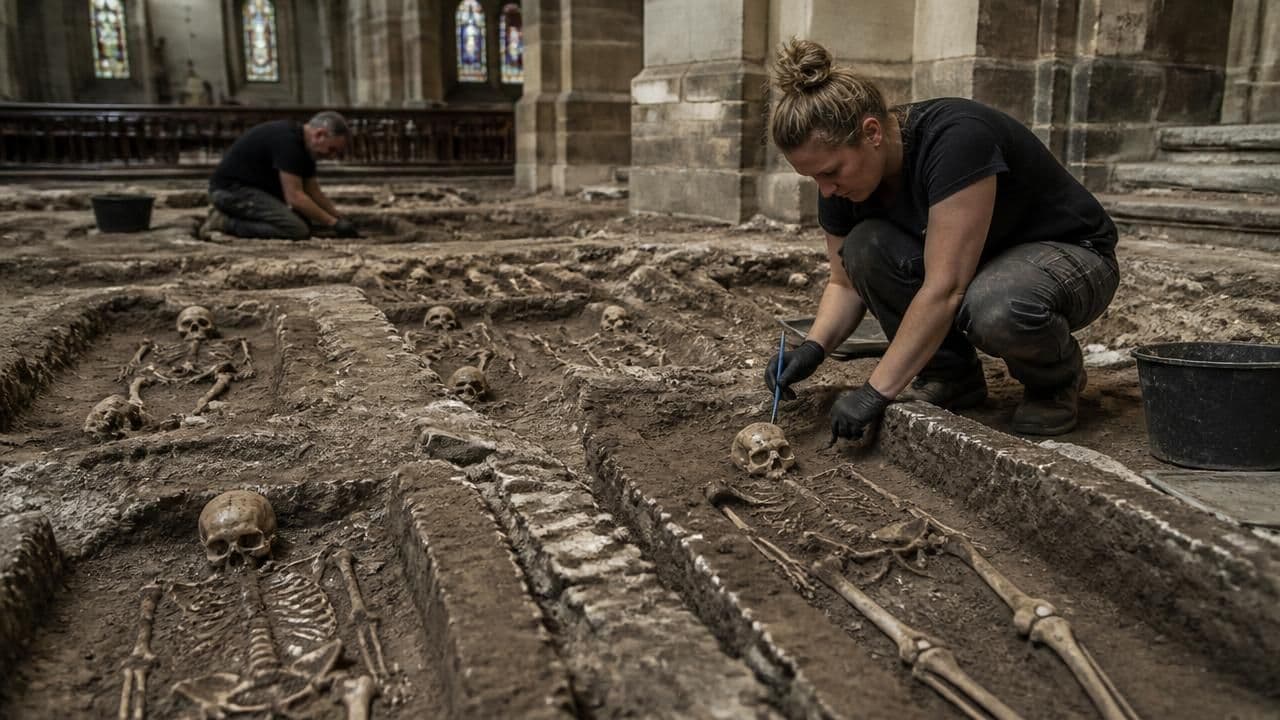
Graves long assumed to hold families often contain unrelated adults and children, DNA shows — and one may mark a young pilgrim.

Reports differ on age and owner—3,000-year-old Paser, a 4,000-year-old 'keeper of secrets,' a 4,400-year-old Spanish find—all fragile heritage.
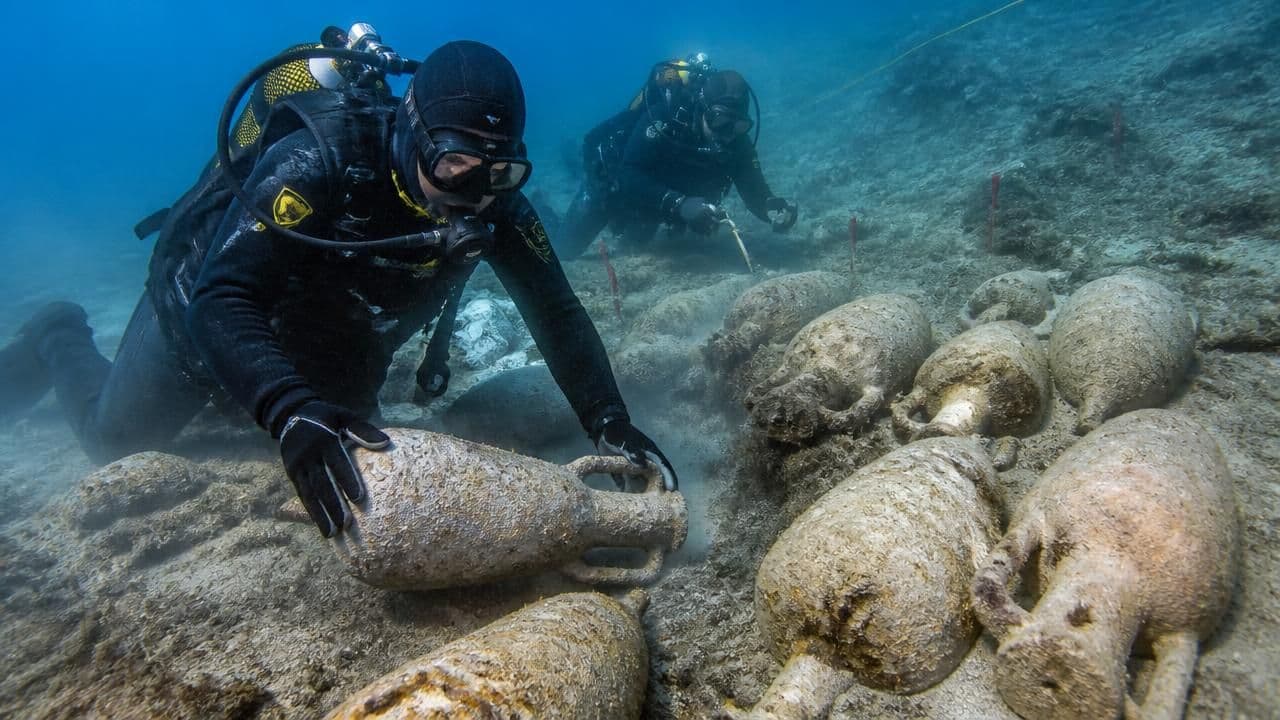
A remarkably preserved wreck offers a rare glimpse into Roman maritime trade, with pollen-encrusted pitch showing repairs made across the Adriatic.
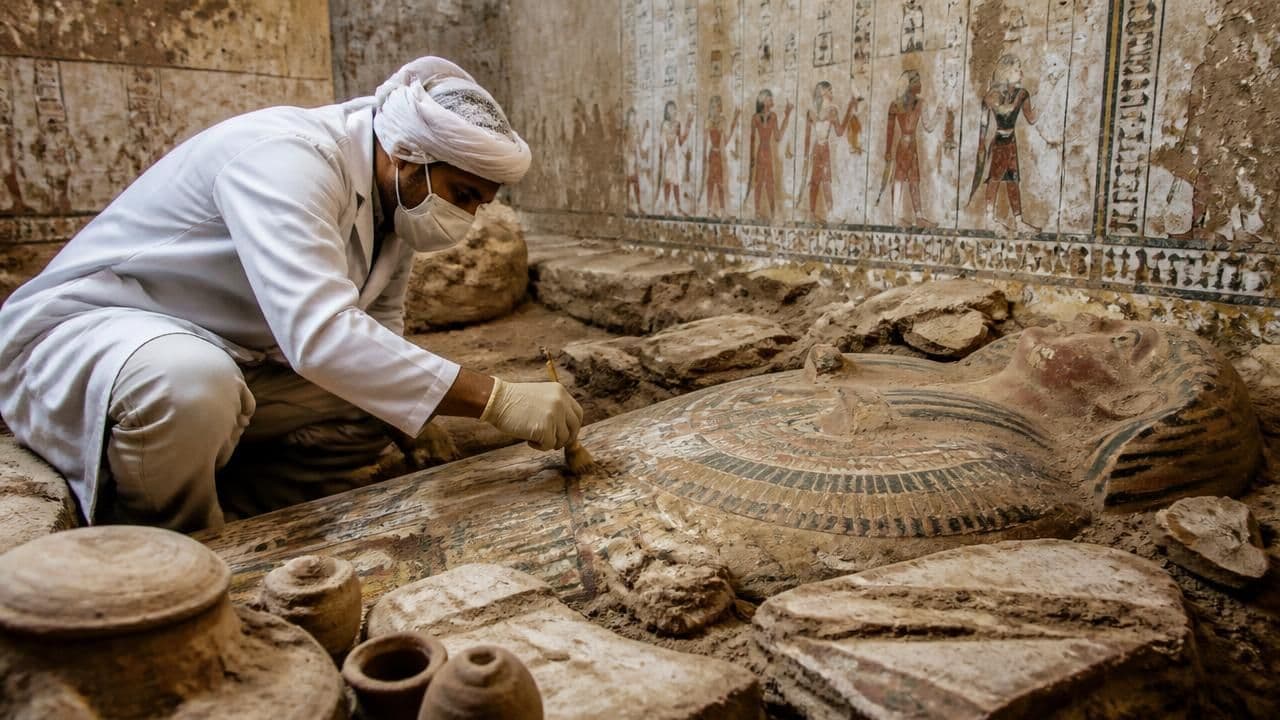
Study of Theban tomb 209 shows a shift from individual burials in elaborate coffins to dense reuse and superposition over centuries.
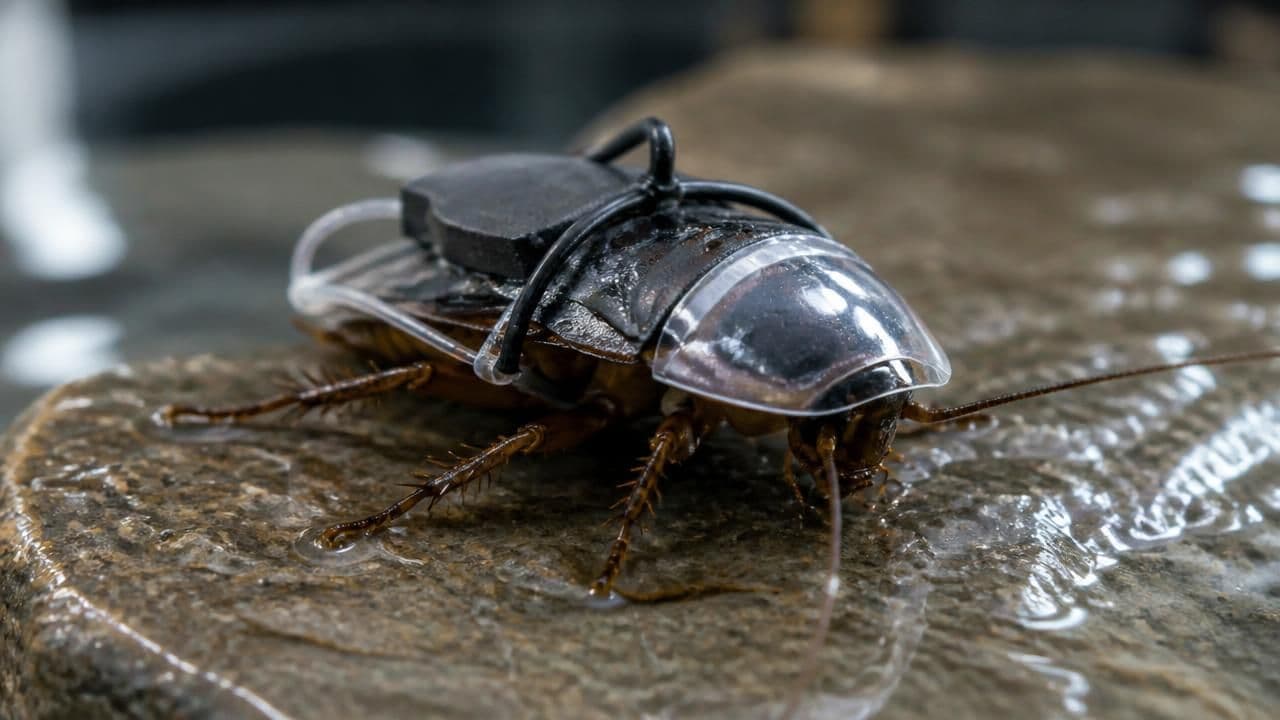
From cyborg cockroaches to Incan sacrifices, a monthly series rescues overlooked research from obscurity
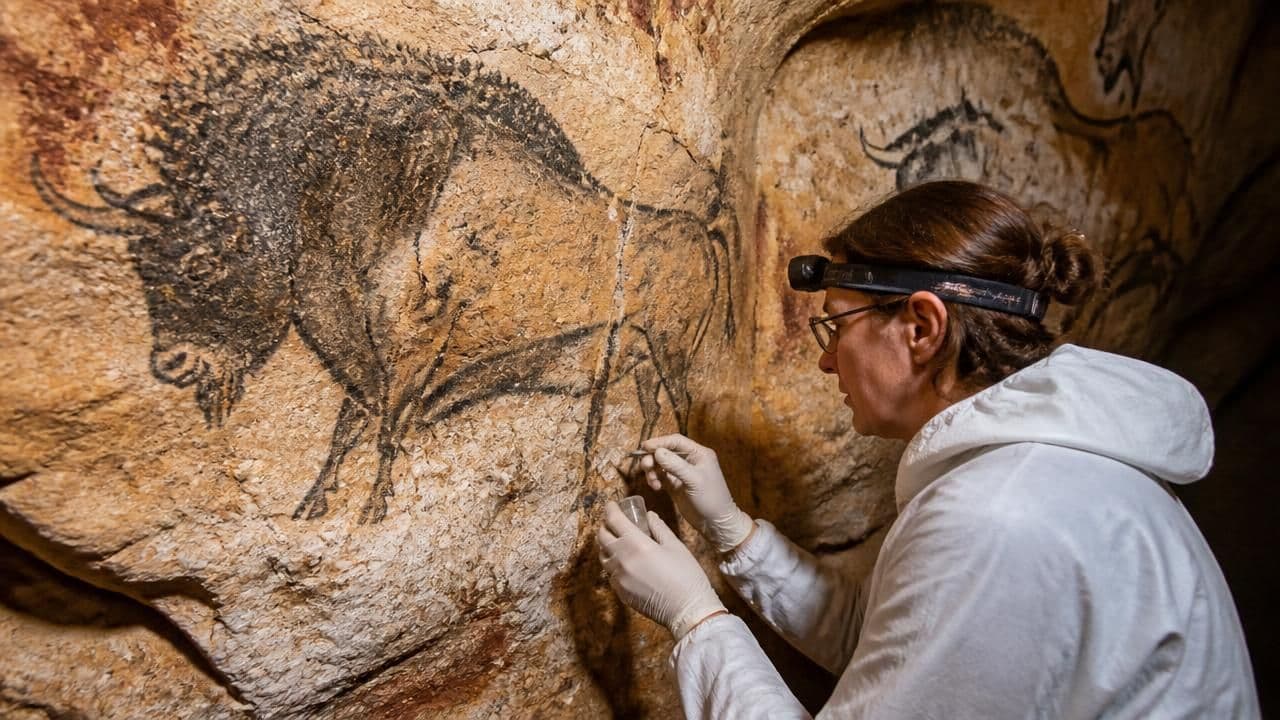
A synthesis of the latest breakthroughs in archaeology, paleontology, and biology, revealing hidden charcoal in cave paintings, human DNA in ancient art, and more.