For centuries, the Theban necropolis on the west bank of the Nile has offered archaeologists a remarkable window into ancient Egyptian funerary practices. With over 400 tombs carved into the hillsides, the site is a rich repository of burial customs that evolved across dynasties. A new study published in the journal Frontiers in Environmental Archaeology focuses on one particularly complex tomb—designated Tomb 209—to reconstruct how burial trends changed from the early 25th Dynasty through the Ptolemaic period.
The Tomb of Nisemro
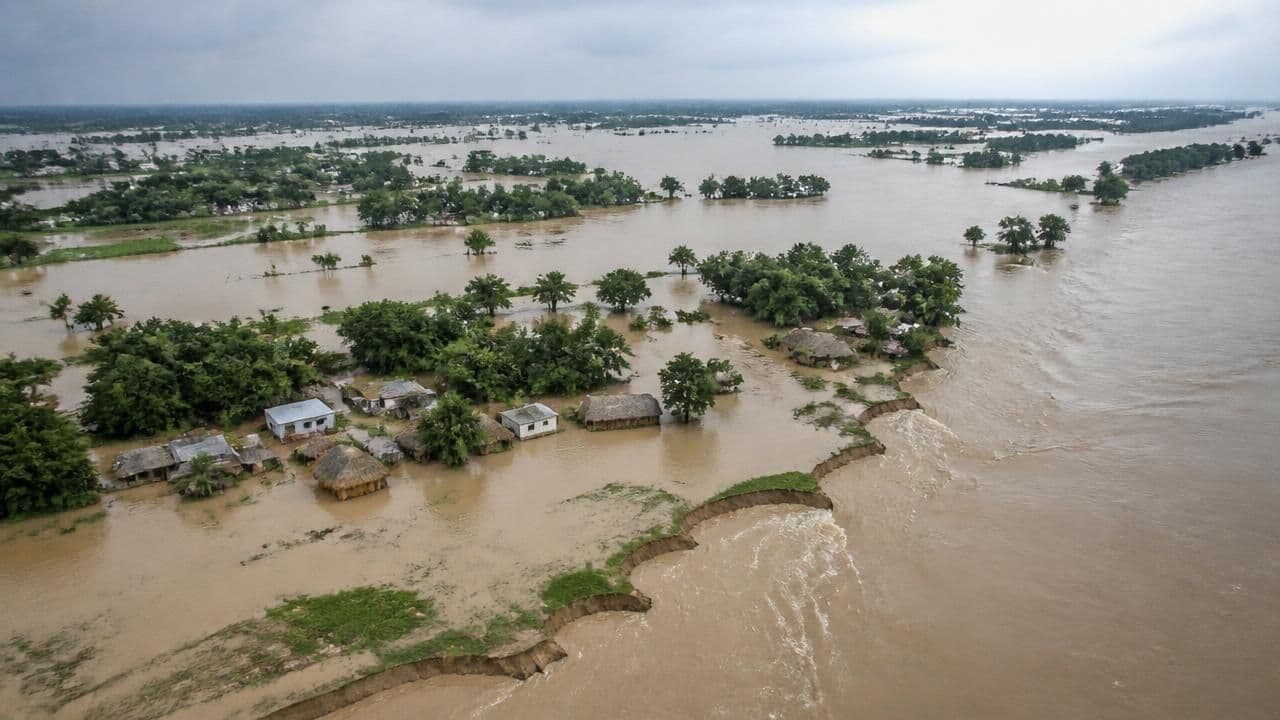
Tomb 209 is located in the western necropolis of Thebes, near modern-day Luxor, within an active drainage channel of the Wadi Hatasun. This position made the tomb susceptible to repeated flash flooding over the centuries, leaving behind a complex stratigraphic record. The original owner was likely a high official of Nubian origin named Nisemro, dating to the early 25th Dynasty (circa 754–656 BCE). The tomb was eventually abandoned during the Ptolemaic period (305–30 BCE), but not before it had been used and reused for many generations.
Its history of intermittent flooding and human activity created a challenging archaeological puzzle. Layers of sediment and debris intermingled with human remains and funerary goods, requiring a meticulous approach to untangle the chronological sequence.
An Integrated Archaeothanatological Approach
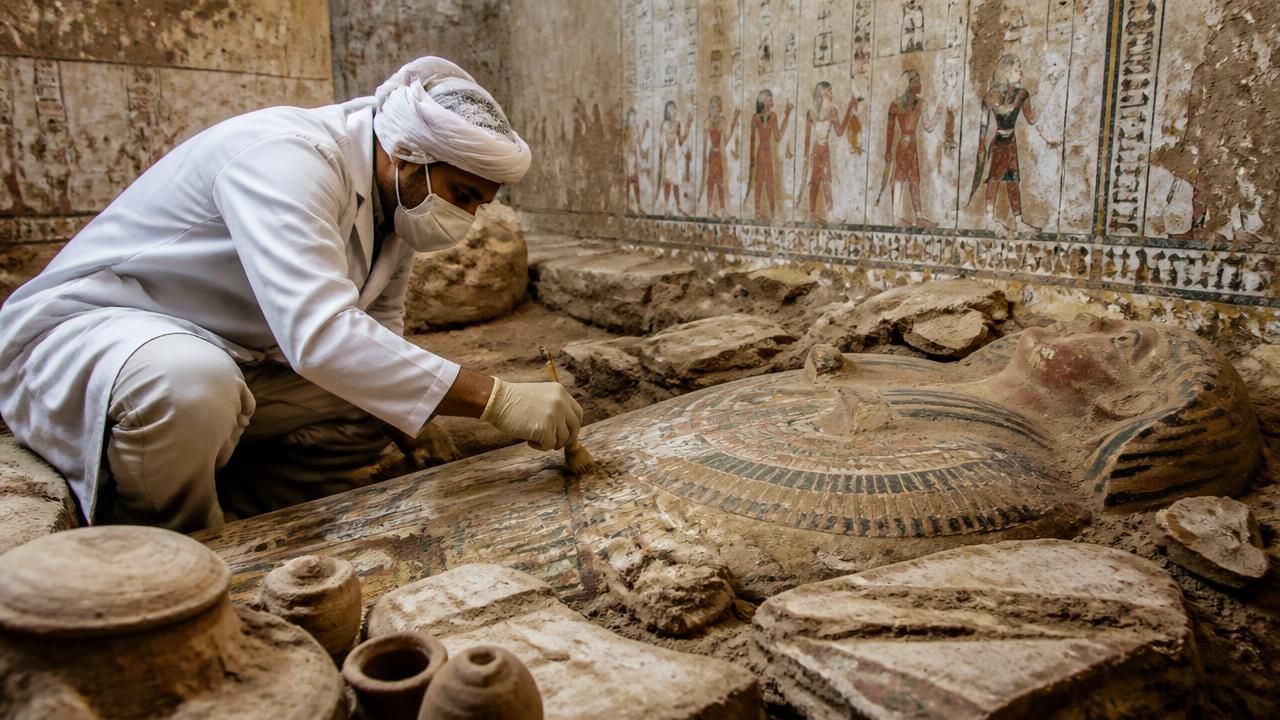
The research team adopted what they describe as an "integrated archaeothanatological approach," combining traditional osteological analysis with careful documentation of body position, coffin use, superpositions of remains, and stratigraphic relationships. This method allows archaeologists to understand not only how individuals were buried, but how the tomb itself was transformed over time.
The focus of the study was Side Chamber 3, one of the primary secondary chambers in the tomb and one that remained largely undisturbed by looting or later construction. Within this confined space, the team found evidence of multiple burial events, revealing a clear pattern of reuse.
Shifting Burial Trends
According to the study, the burial practices evident in Tomb 209 reflect a broader trend in ancient Egypt: a gradual move away from individual burials in elaborate coffins toward the reuse of existing burial sites for later interments. This shift resulted in greater density of remains and, in some cases, the superposition of bodies—one burial stacked atop another, sometimes in the same coffin or burial niche.
This transition was likely driven by a combination of factors, including economic constraints, changing religious beliefs, and the practical need to maximize limited burial space. In earlier periods, high-status individuals might have expected a private resting place with a decorated sarcophagus. By the late Third Intermediate Period and into the Ptolemaic era, however, even the tombs of officials were being reopened and repurposed.
Context and Significance
The findings from Tomb 209 align with previous research on tomb reuse in the Theban necropolis, but the study offers a more detailed, data-driven reconstruction of how a single tomb's funerary landscape evolved. The integrated methodology used here could serve as a model for revisiting other tombs in the region that have similarly complex histories.
Moreover, the study highlights the vulnerability of these ancient sites to environmental factors. The flash flooding that plagued Tomb 209 not only shaped its archaeological record but also poses an ongoing conservation challenge. As climate patterns shift and rainfall becomes more erratic, protecting these fragile remains becomes increasingly urgent.
For archaeologists, the real value of Tomb 209 lies in its specificity. It is not just a tomb, but a microcosm of changing funerary customs, social dynamics, and environmental interactions over nearly a millennium. By carefully peeling back the layers, researchers are able to tell a remarkably human story—of how the dead were honored, remembered, and eventually accommodated within a crowded community of the departed.
Looking Ahead
The authors of the study hope that their work encourages further research into other Theban tombs that have been overlooked due to their complexity. With advanced techniques and interdisciplinary collaboration, the necropolis may continue to yield insights into ancient Egyptian life and death for years to come.
As the sands of time shift, each discovery adds another piece to the puzzle of human history. Tomb 209, with its centuries of reuse and remarkable preservation, offers a poignant reminder that even in death, the ancient Egyptians were constantly adapting to the world around them.