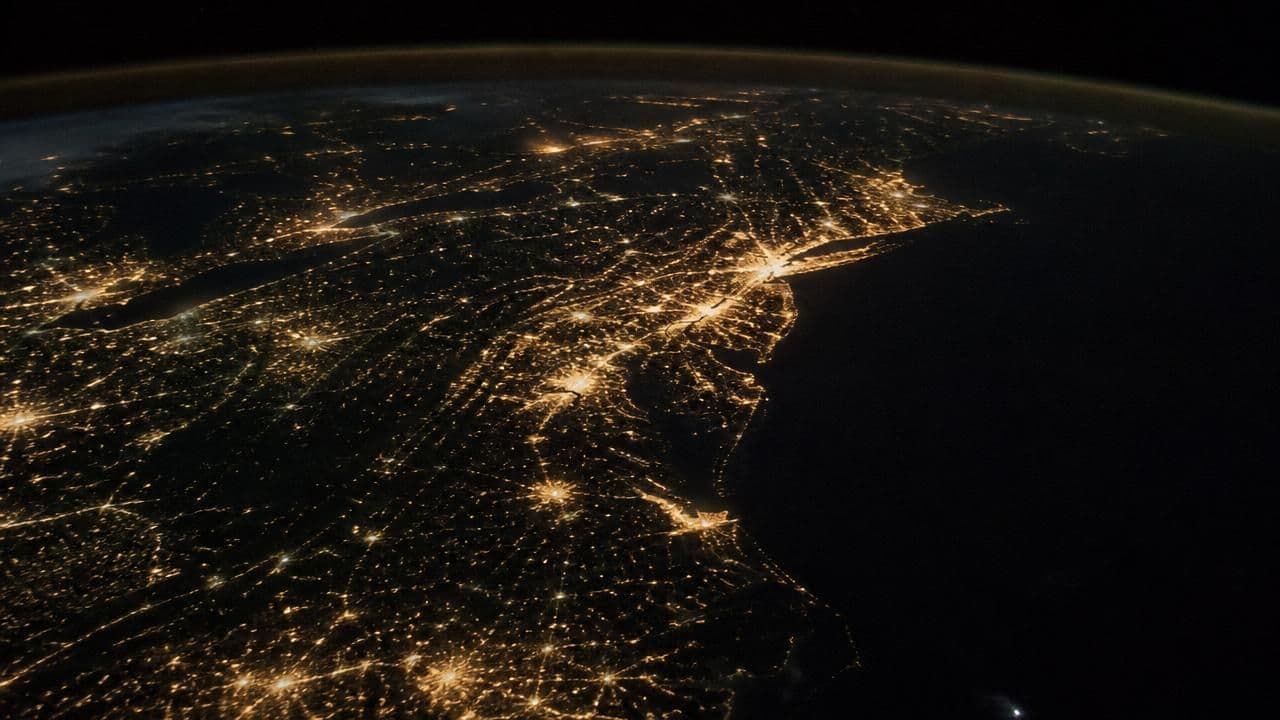
From Earth's Night Side to Mars: The Many Fronts of Space Science
An orbital photo over New York, a helicopter's first Martian night, InSight's launch and Gagarin's legacy show how space exploration reaches the public.
Sep 28, 20262 views
An orbital photo over New York, a helicopter's first Martian night, InSight's launch and Gagarin's legacy show how space exploration reaches the public.
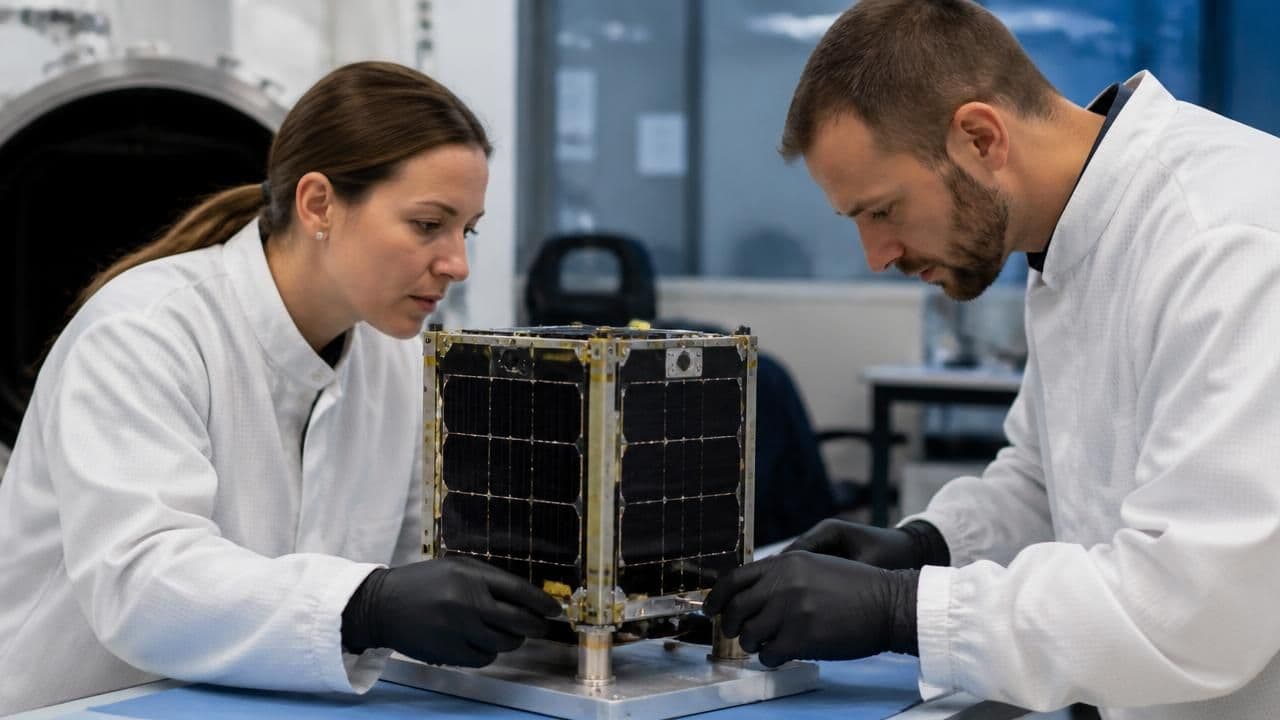
The shoebox-sized spacecraft uses a single non-toxic propellant for both high-thrust and low-thrust maneuvers, potentially enabling CubeSats to reach Mars.
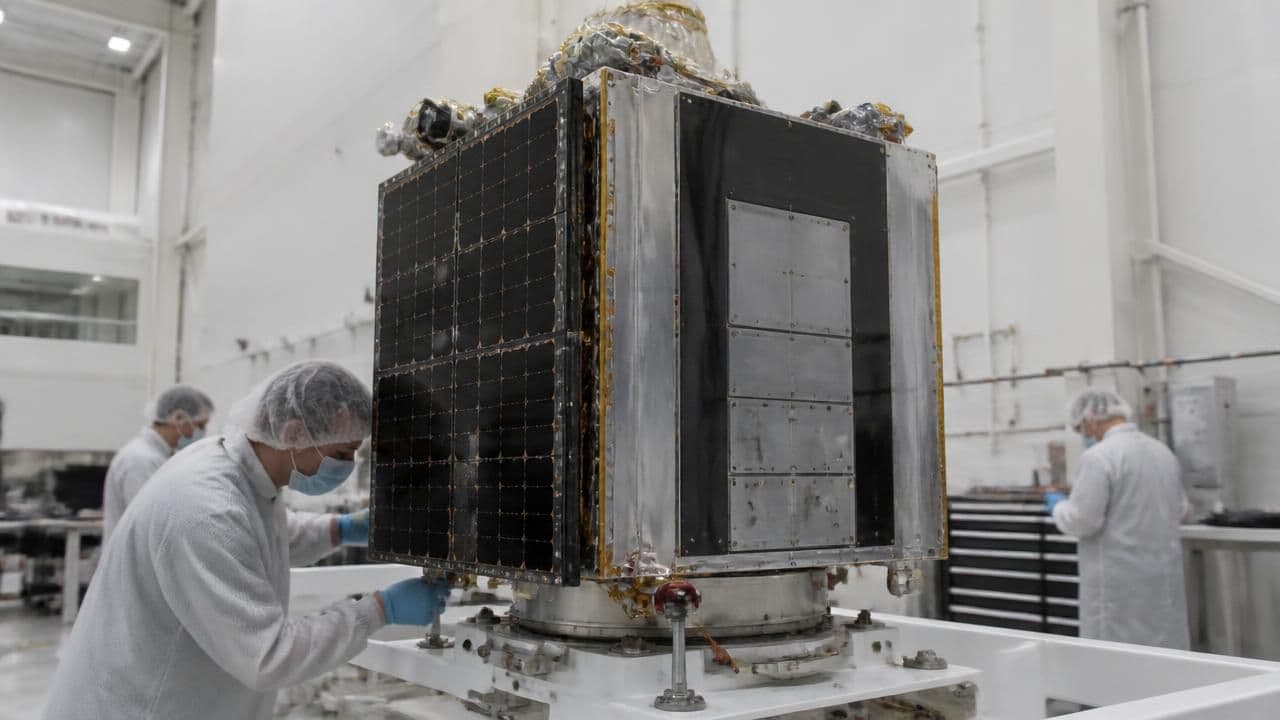
A refrigerator-sized spacecraft carrying four of Google's TPU chips will test whether solar-powered AI computing can work in orbit.
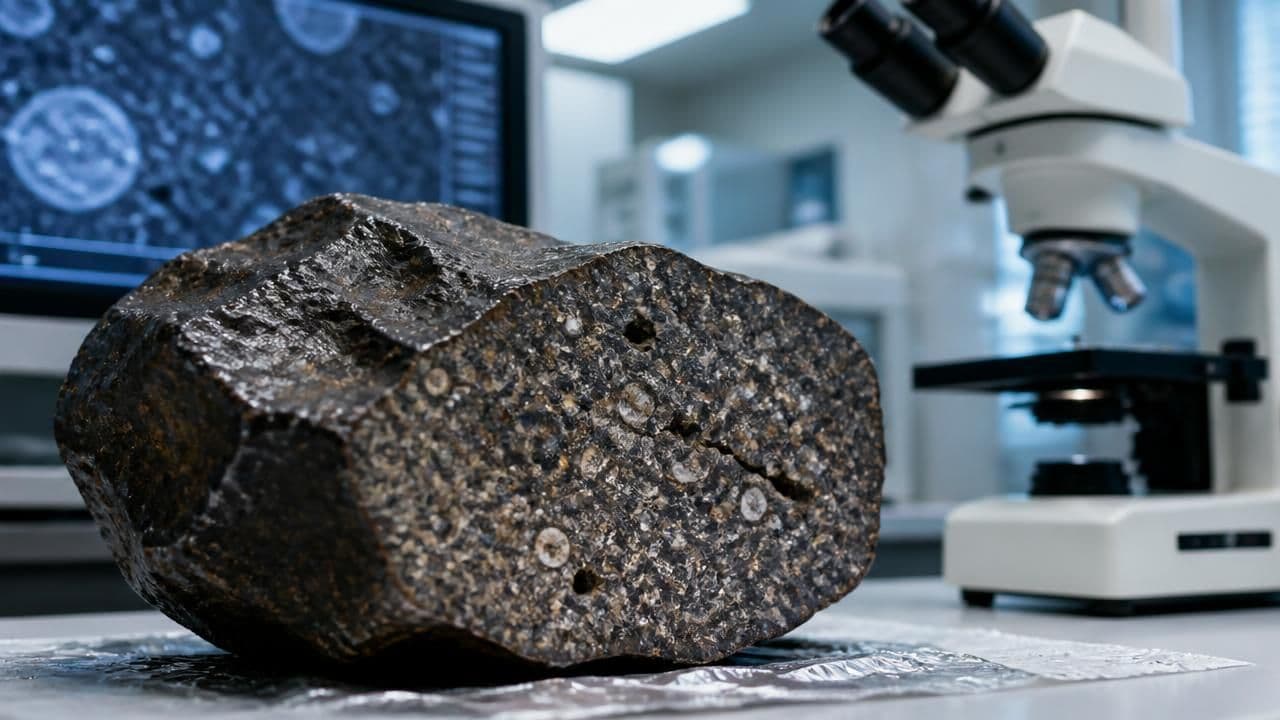
Grains in one of the oldest known meteorites show magnetism worked alongside gravity in the first 200,000 years of the solar system.
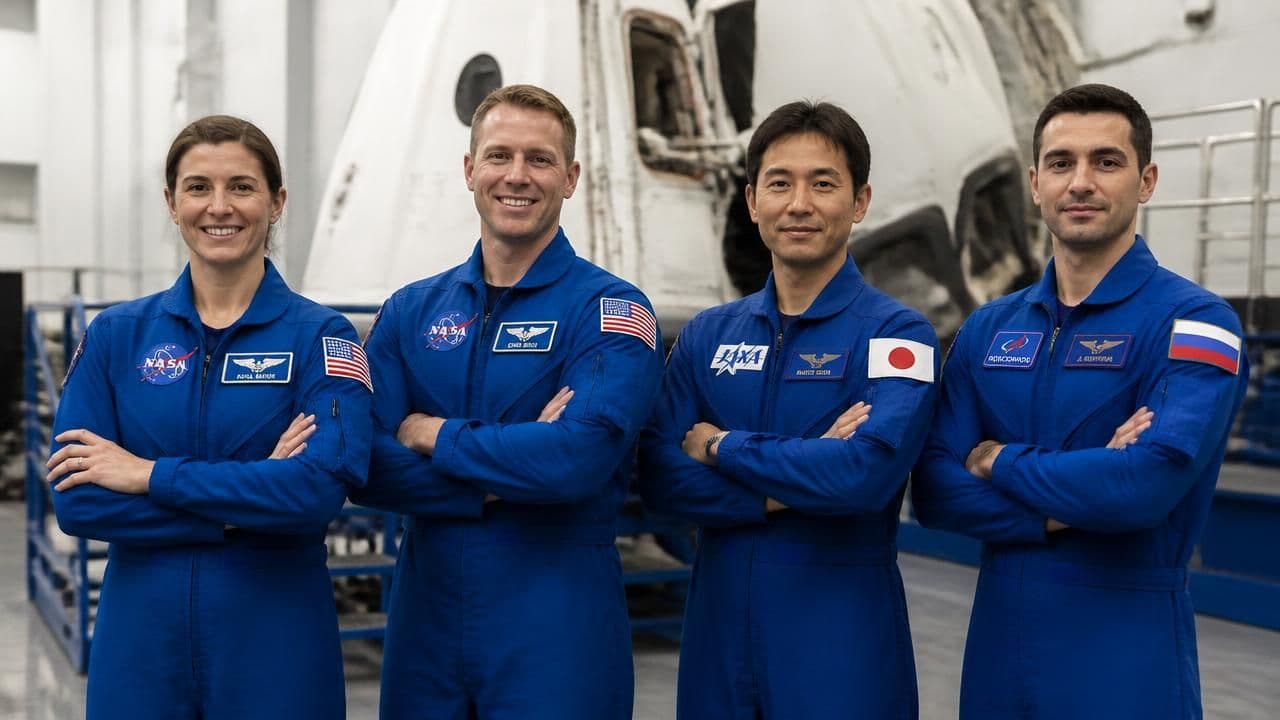
Four fliers from three agencies will launch no earlier than spring 2027 to join Expedition 75/76, as rotation delays ripple through station schedules.
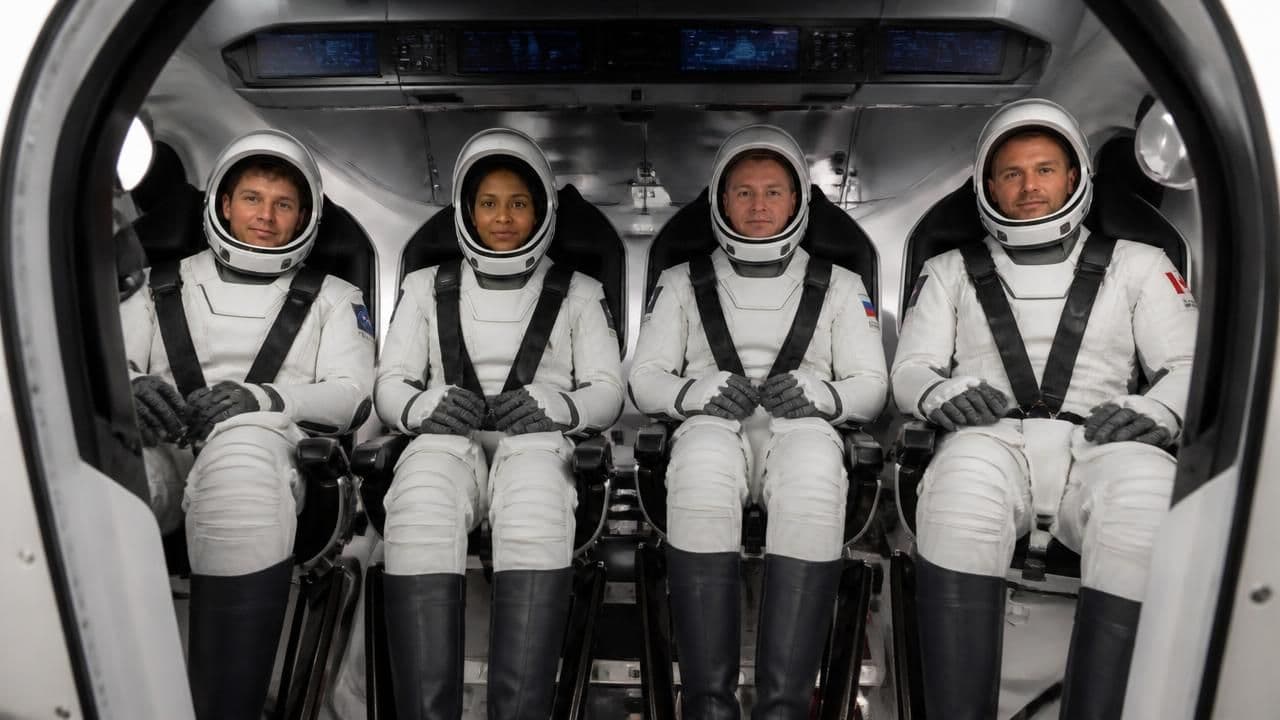
Four astronauts will run biomedical and performance experiments on the ISS, including a new NASA-ESA study of blood clotting.
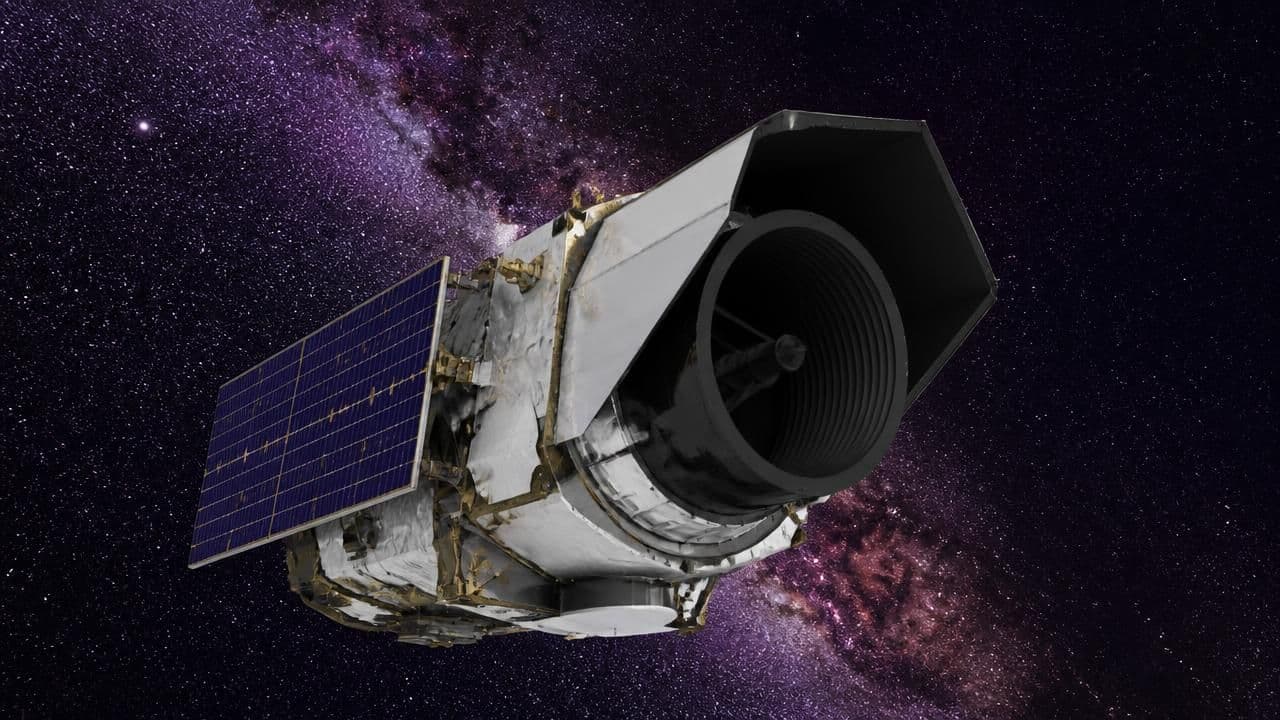
Roman Space Telescope is in space and has detected starlight, but first images won't arrive until 2027; PRIMA far-infrared probe advances to Phase B.
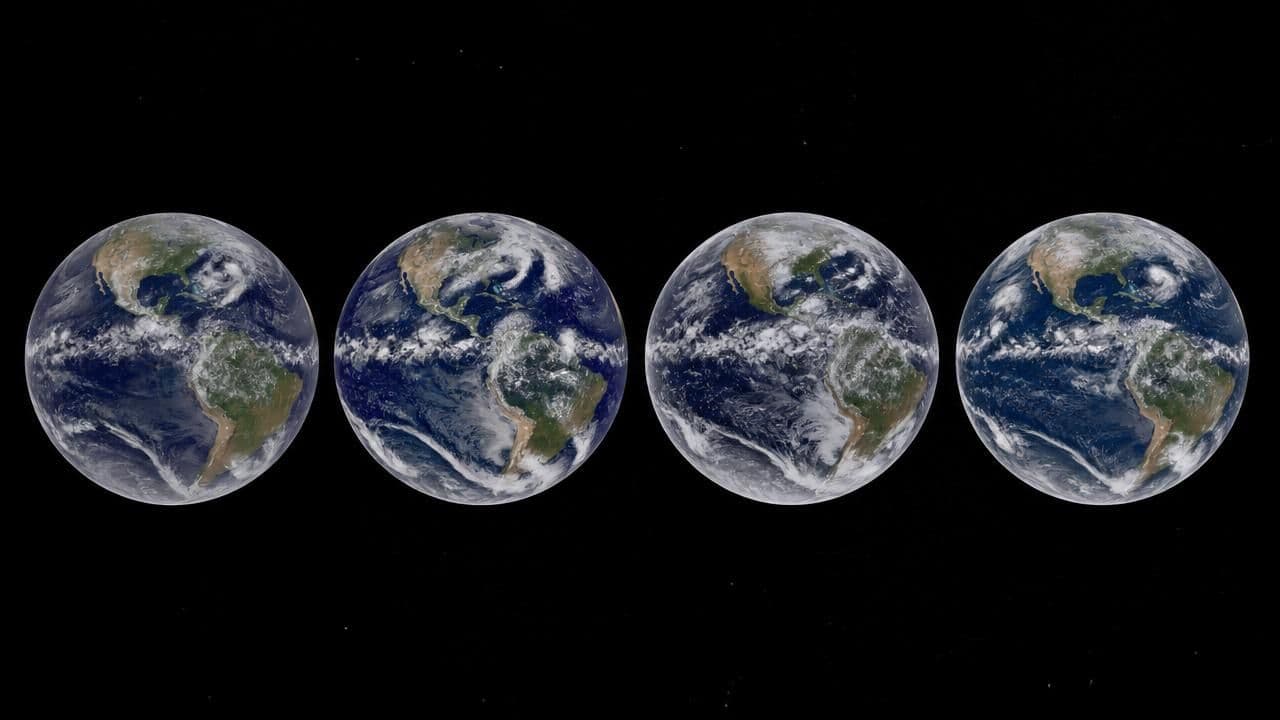
From a 23.5-degree tilt forged by an ancient collision to Fortnite's new chapter, one word links astronomy, culture and politics.
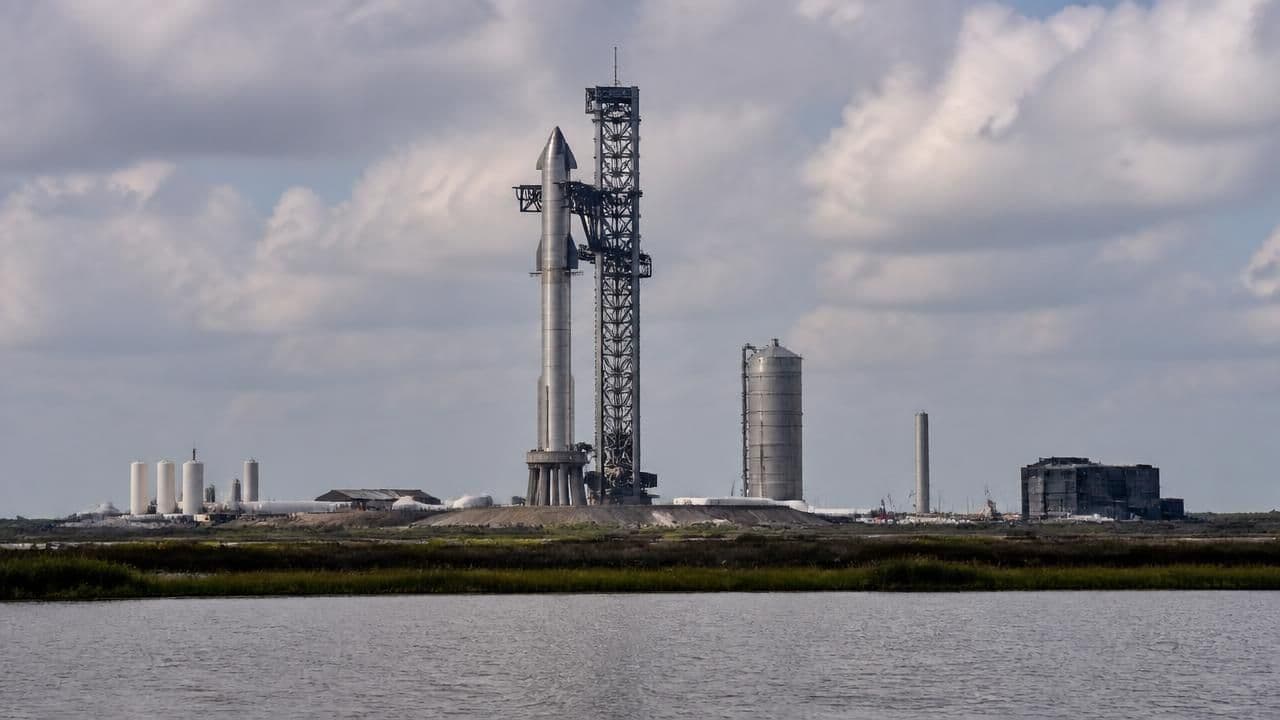
State officials call it a $100 billion investment and thousands of rockets; locals worry, and negotiations were shielded by NDAs.
Index funds may be forced to buy billions in SPCX shares when the change takes effect Monday, with estimates ranging from $15.5 billion to $22 billion.