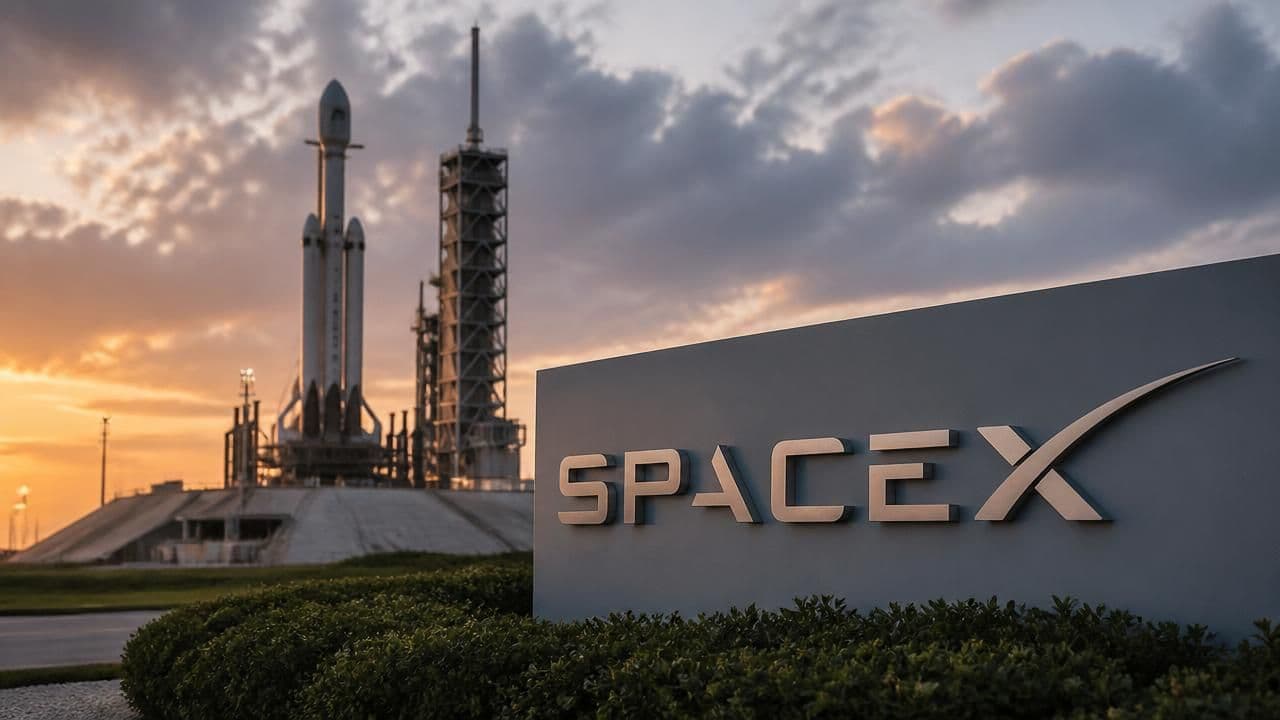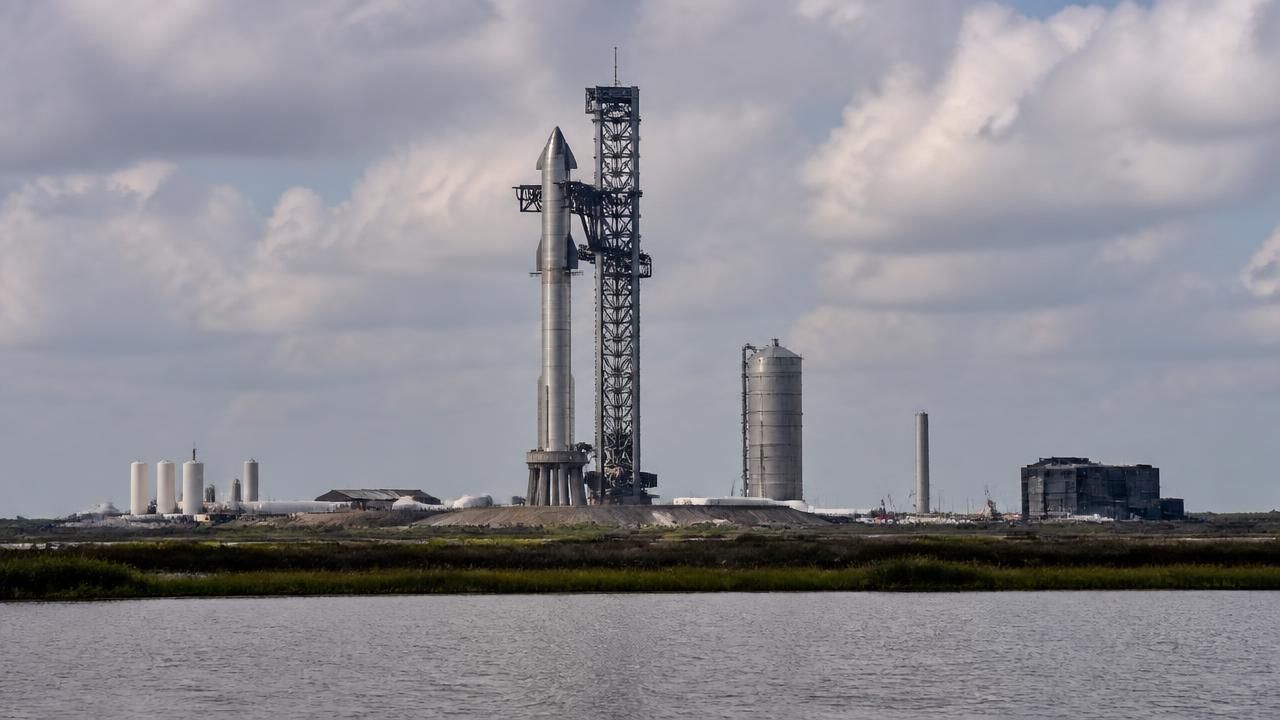
SpaceX has announced plans to build a sprawling new Starbase in Louisiana’s marshland, a $100 billion project that state officials describe as a generational economic jolt and the company bills as the “biggest launch site on Earth.” The facility, which one syndicated report called the “Spaceport of the Future,” would host thousands of rocket launches and dwarf SpaceX’s existing South Texas site, according to multiple outlets.
The announcement, first reported across a chain of local and national outlets, marks a dramatic escalation in SpaceX’s infrastructure ambitions. The Louisiana site would be dedicated to Starship, the fully reusable super-heavy rocket that SpaceX founder Elon Musk has positioned as the vehicle for Mars colonization, NASA’s Artemis lunar landings, and massive satellite constellations. State officials say the project represents a $100 billion investment and will generate thousands of launches, though a precise timeline and launch cadence remain unclear.
A launch complex in the wetlands
Where exactly the site will sit has not been fully detailed, but it is planned for Louisiana marshland—a fragile coastal ecosystem already under pressure from subsidence, hurricanes, and sea-level rise. The choice echoes SpaceX’s Starbase at Boca Chica, Texas, where the company transformed a remote Gulf Coast community into a vertical launch and test hub. Louisiana’s proposed complex would be larger, with CNN describing it as the “biggest launch site on Earth.”
The scale is difficult to overstate. A $100 billion private investment would exceed the annual budget of many federal science agencies. Thousands of rockets over the life of the site would require new launch pads, integration towers, propellant farms, road networks, and possibly a dedicated workforce community. It would also demand airspace and maritime closures on an unprecedented scale.
Regulatory fast-track and secrecy
The project’s political path has been unusually quiet. According to NPR and Boise State Public Radio, Louisiana lawmakers helped ease regulations to accommodate SpaceX, and negotiations were covered under nondisclosure agreements. That combination—streamlined permitting plus NDAs—has raised transparency concerns among watchdogs and local residents who say they are learning about the project through headlines rather than public meetings.
“SpaceX has big plans for a new Louisiana ‘Star Base,’ worrying some near there,” reported NPR and Boise State Public Radio, capturing the mixed reception.
State officials frame the project as a once-in-a-generation opportunity. They point to high-wage jobs, supplier networks, and Louisiana’s desire to diversify an economy long tied to oil, gas, and petrochemicals. But the nondisclosure agreements mean many details—tax incentives, land deals, environmental mitigation, and emergency planning—may not be publicly debated until after key decisions are made.
Local anxiety and environmental stakes
Residents near the proposed site have expressed worry about noise, traffic, light pollution, and the potential for launch anomalies. In South Texas, SpaceX’s expansion has brought lawsuits, road closures, and tensions over access to nearby wildlife refuges and historic sites. Louisiana’s wetlands are even more ecologically sensitive. They serve as storm buffers, nurseries for fisheries, and carbon sinks. A launch complex of this size could fragment habitat and alter hydrology.
Environmental groups are likely to demand a full federal review, including an environmental impact statement under the National Environmental Policy Act. Because the site involves wetlands, the U.S. Army Corps of Engineers would also have to issue permits. Those processes can take years, and they often become the main venue for public input when NDAs limit local debate.
- Economic boost: State officials tout $100 billion in investment and thousands of launches as a catalyst for aerospace manufacturing and STEM jobs.
- Environmental risk: Marshland loss, launch noise, and water use could affect fisheries and coastal resilience.
- Transparency gap: Nondisclosure agreements and eased regulations have limited early public scrutiny.
- Competing sites: SpaceX’s Florida operations remain active, but one report framed the Louisiana plan as the “end of an era in Florida.”
What it means for Florida and the launch map
SpaceX currently launches Falcon 9 and Falcon Heavy rockets from Florida’s Space Coast, and it has been developing Starship infrastructure at Kennedy Space Center. A new Louisiana complex would not immediately replace those operations, but it could shift the center of gravity for Starship as the vehicle moves from testing to high-cadence missions. The MSN headline declaring the “end of an era in Florida” may be premature, yet it reflects a real strategic pivot: SpaceX wants more room, more launch azimuths, and fewer constraints than existing sites allow.
The project also carries national security and geopolitical weight. The United States is racing China to build reusable super-heavy lift and to return astronauts to the Moon. NASA depends on Starship for its Artemis landers. The Space Force has shown interest in point-to-point rocket cargo. A Louisiana Starbase would give SpaceX additional capacity to serve those customers—and to launch Starlink satellites at a pace no competitor can match.
The road ahead
For now, the Louisiana Starbase is a plan, not a finished facility. SpaceX must secure land, complete engineering studies, obtain federal and state permits, and persuade a skeptical public that the benefits outweigh the disruptions. The company has a history of moving fast, sometimes outpacing regulators and local governments. Louisiana officials appear willing to match that speed.
How the story develops will depend on what emerges from behind the NDAs: the exact location, the environmental baseline, the incentive package, and the safety record SpaceX proposes. If the project proceeds, it could redefine Louisiana’s coast as a space hub—and remake the Gulf Coast launch landscape for decades. If it stalls, it will join a long list of ambitious spaceports that never got off the ground.
Either way, the announcement has already changed the conversation. The question is no longer whether SpaceX will expand beyond South Texas, but where, how fast, and at what cost to the communities and wetlands in its path.