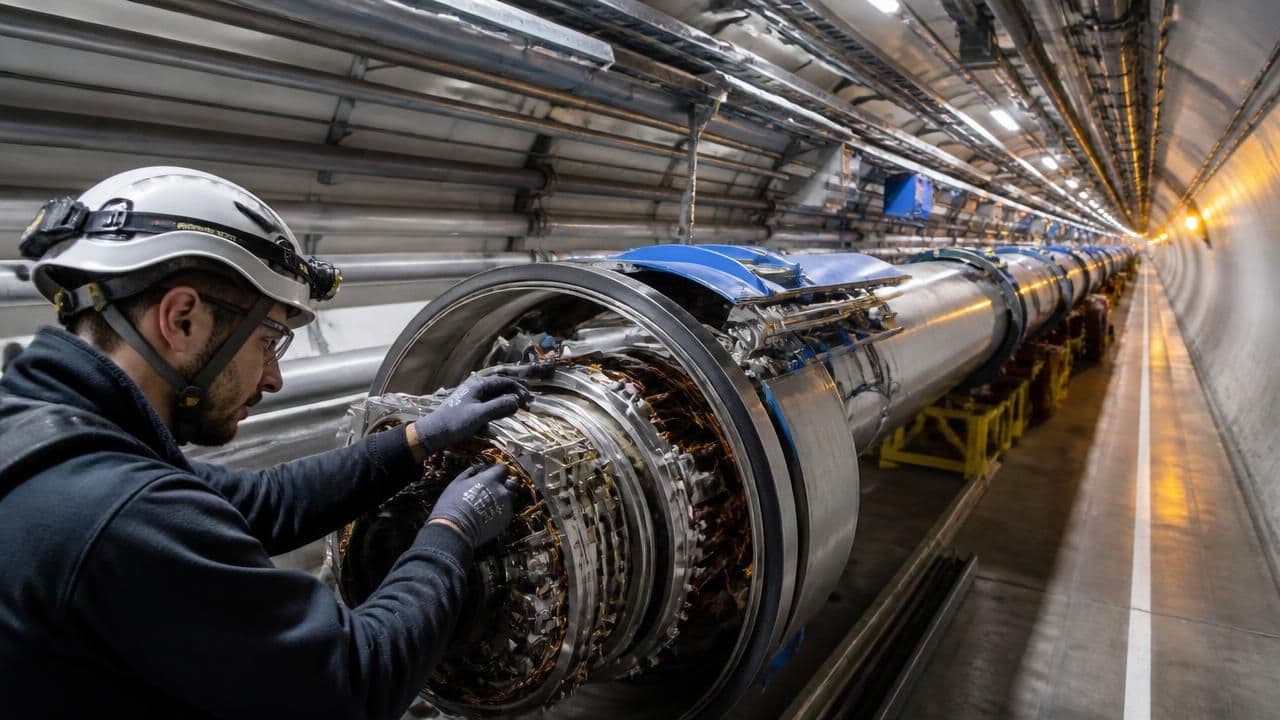
CERN Begins Dismantling LHC Components as High-Luminosity Upgrade Era Starts
CERN is swapping the collider's strongest magnets for units 40% more powerful, setting up a decade of precision Higgs physics.
Sep 26, 20260 views
CERN is swapping the collider's strongest magnets for units 40% more powerful, setting up a decade of precision Higgs physics.
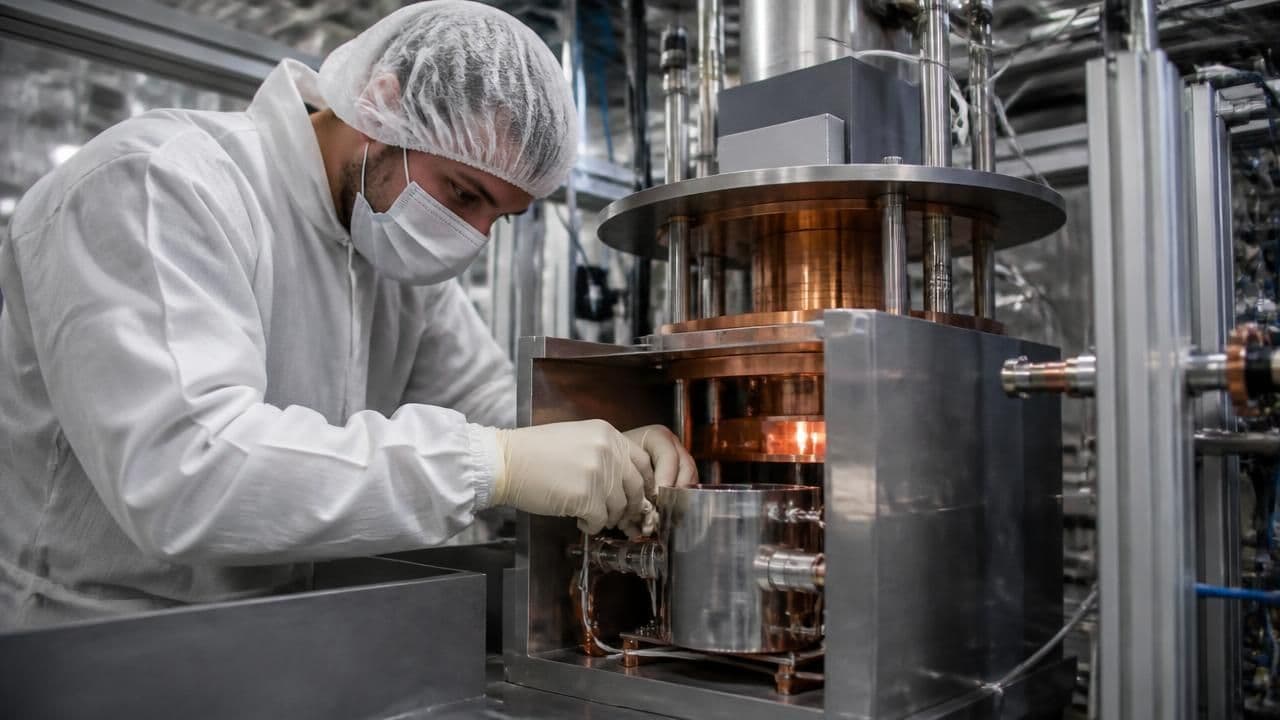
A 62-day search beneath Italy's Gran Sasso mountain found no trace of radiation predicted by the Diósi–Penrose model of gravity-driven quantum collapse.
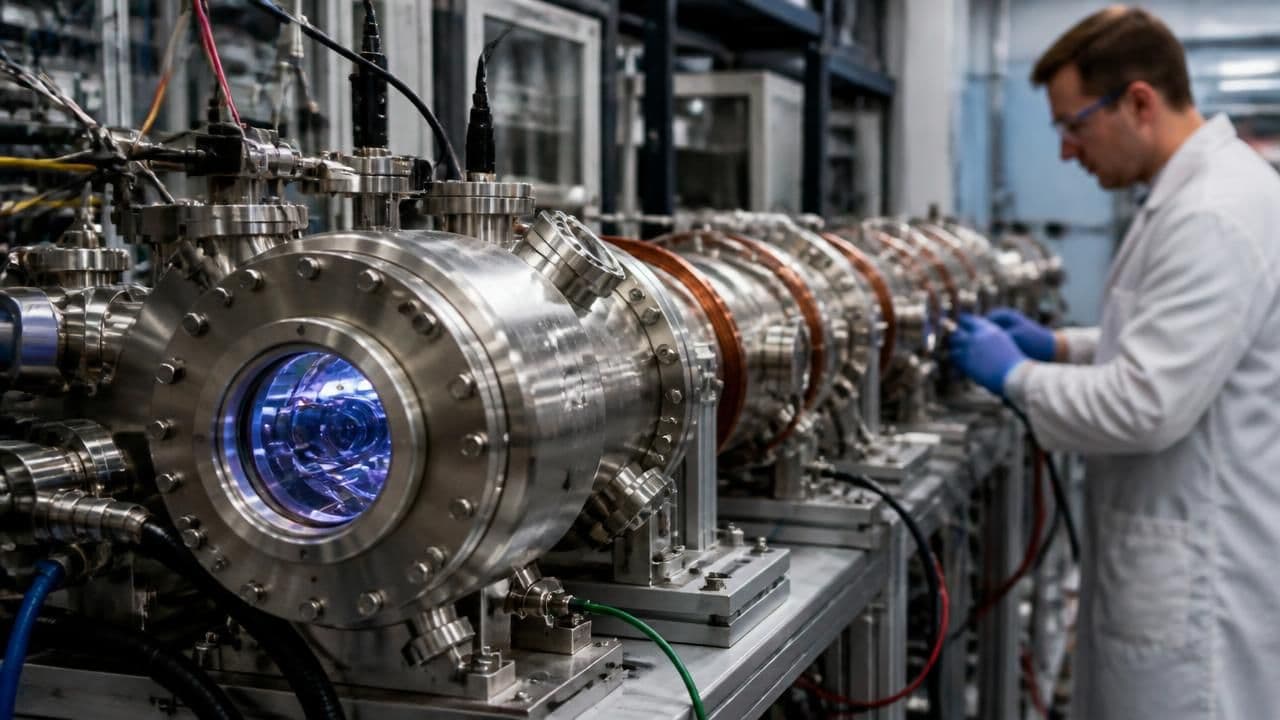
From muonium beams to falling quantum objects and black-hole 'ringing', researchers are probing whether general relativity holds at the smallest scales
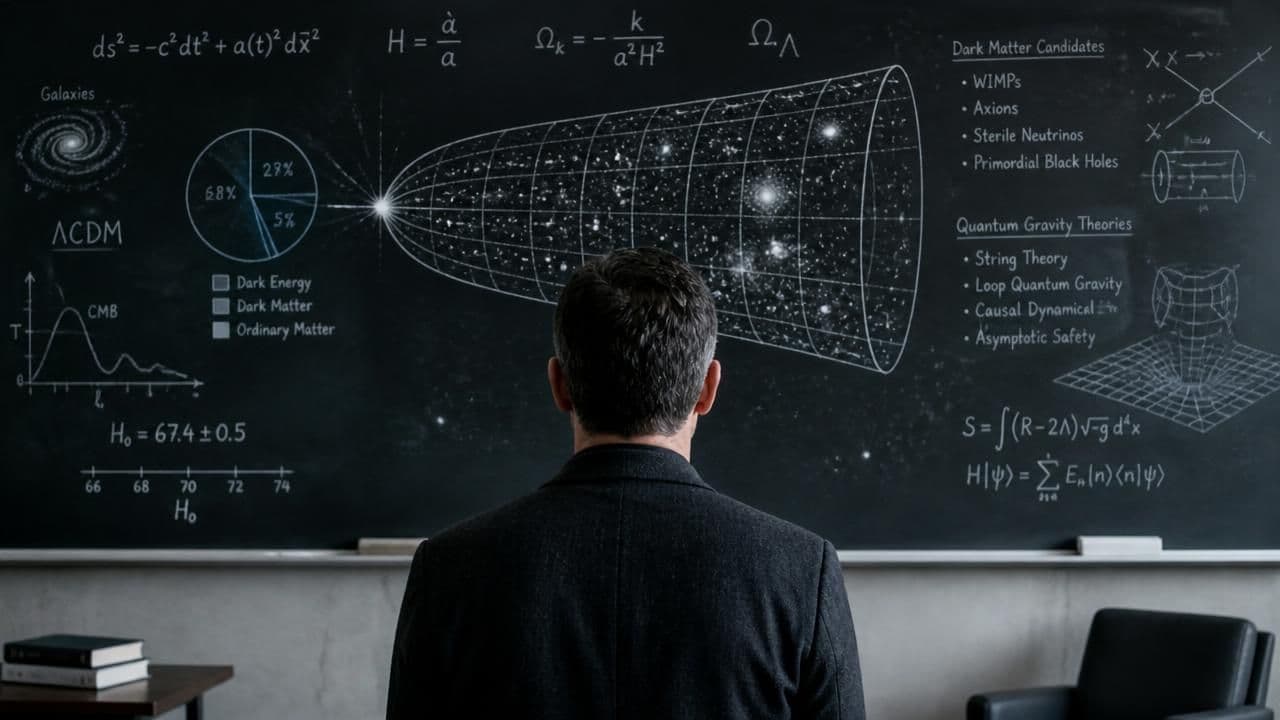
A global poll of thousands of physicists reveals deep disagreement over cosmology and quantum gravity, even as new experiments sharpen the Hubble tension and challenge the simulation hypothesis.

A Ben-Gurion University-led team, including Roger Penrose, has measured how free fall shifts an atom's quantum phase.
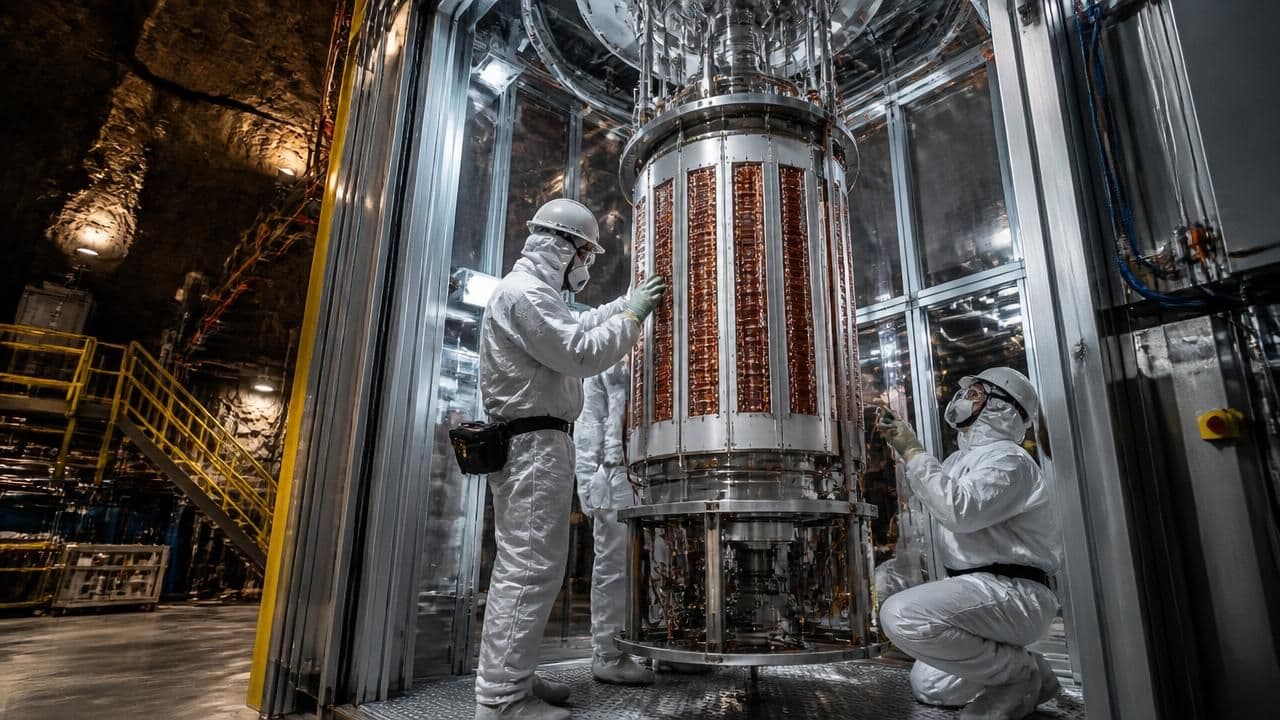
Recent experiments—from the LZ detector's underground lab to Earth's magnetosphere—report puzzling signals that could be dark matter, while a cosmic hum hints at dark stars from 13 billion years ago.
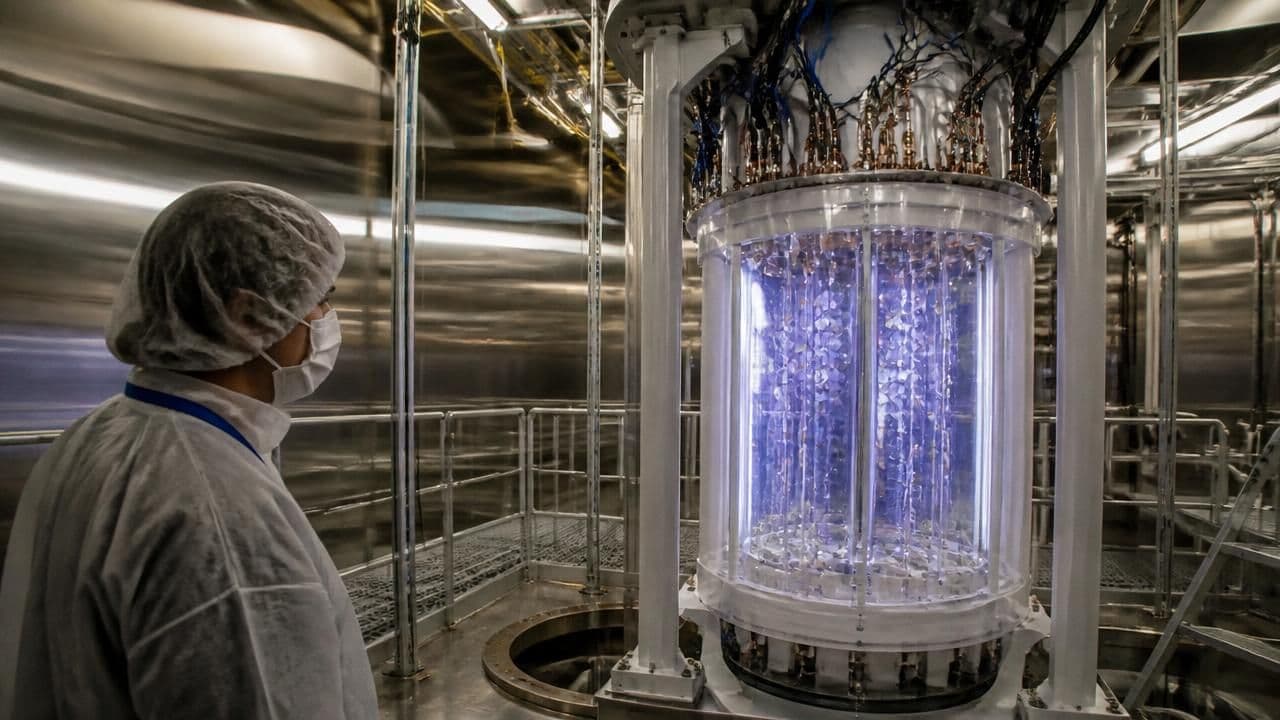
The LUX-ZEPLIN experiment has detected an unexplained event that could be a dark matter particle—but scientists caution that more data is needed to rule out background noise.
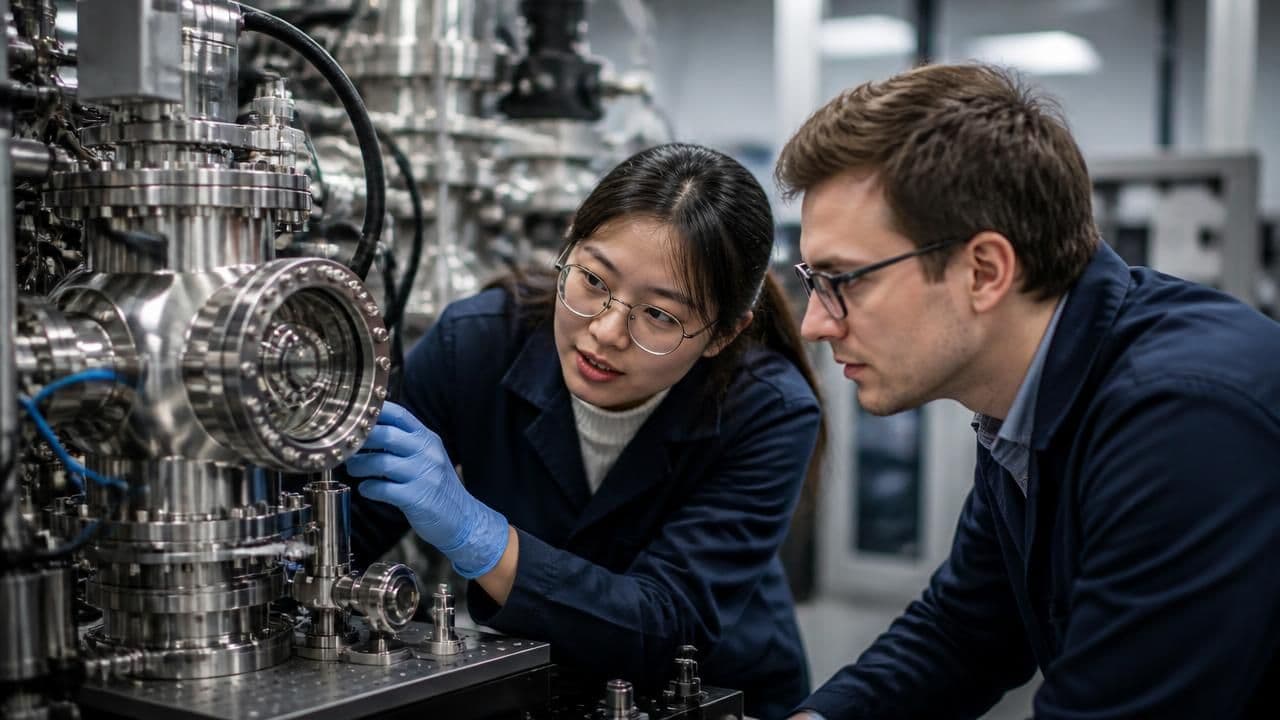
Advanced imaging reveals two distinct mechanisms of electronic phase formation and confirms hydrodynamic electron flow, deepening our understanding of superconductivity and magnetism.
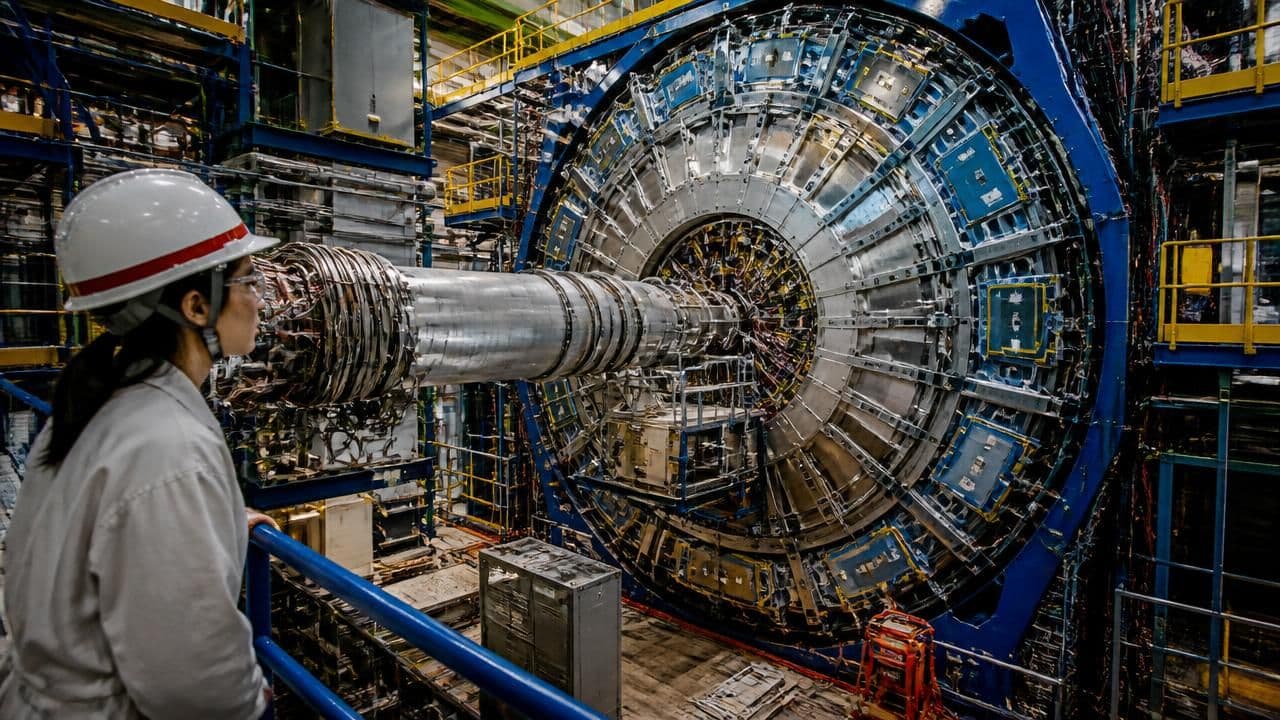
New RHIC and CERN data reveal a Y-shaped gluon network inside protons, challenging decades-old textbook models and deepening our understanding of matter's stability.
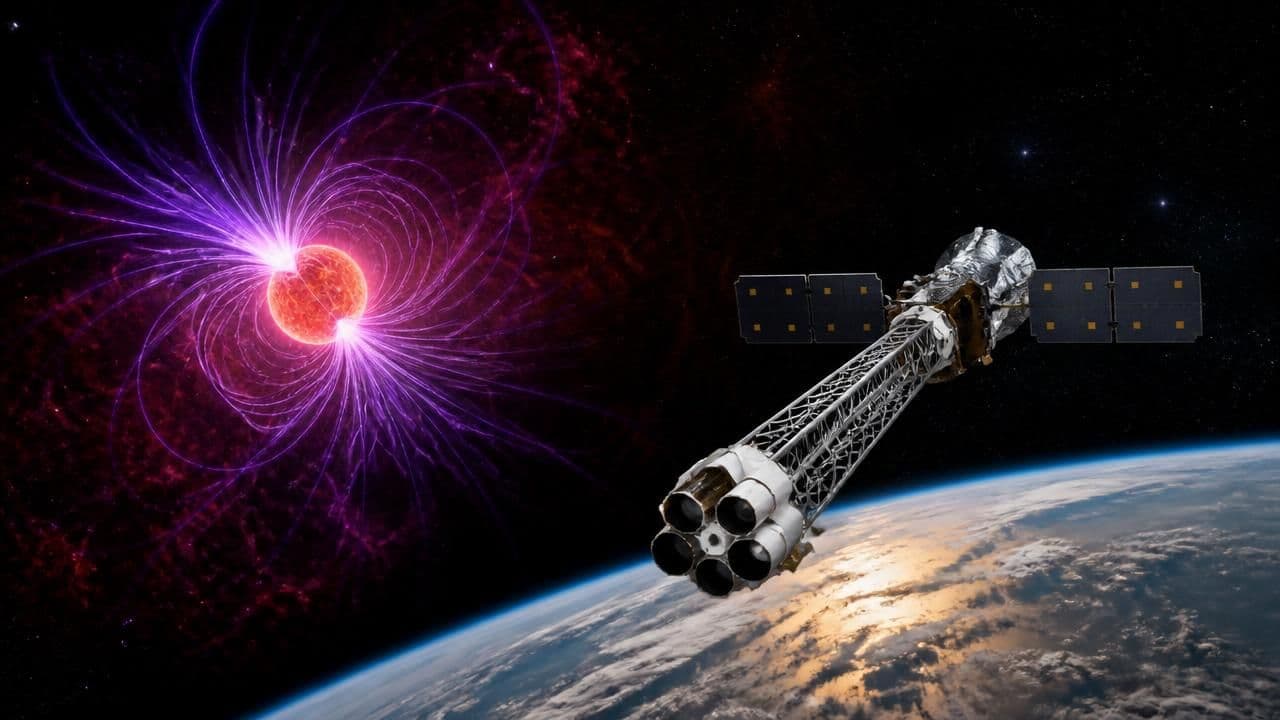
First-of-its-kind X-ray polarization measurements of magnetar 1E 1547.0-5408 validate quantum electrodynamics and challenge pulsar emission models.