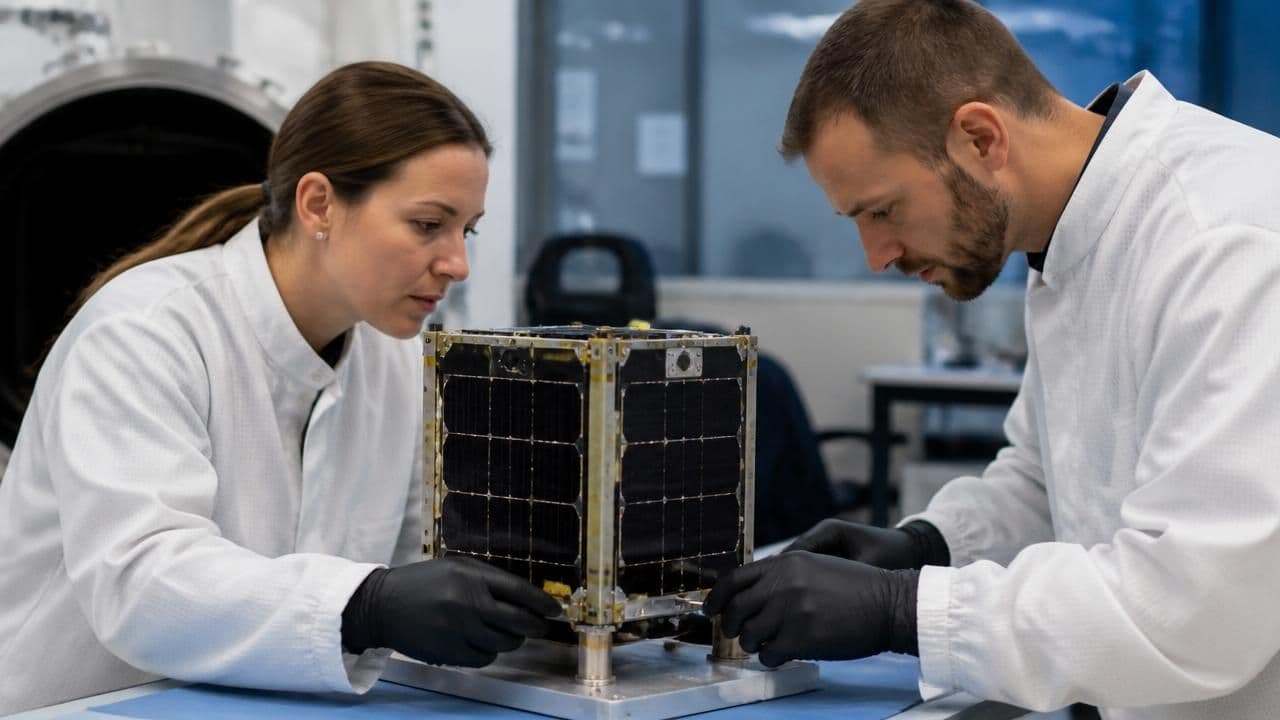
NASA Completes Testing of Dual-Mode ASCENT CubeSat Ahead of Historic Flight
The shoebox-sized spacecraft uses a single non-toxic propellant for both high-thrust and low-thrust maneuvers, potentially enabling CubeSats to reach Mars.

The shoebox-sized spacecraft uses a single non-toxic propellant for both high-thrust and low-thrust maneuvers, potentially enabling CubeSats to reach Mars.

The rover, designed for a 700-sol mission, has spent over 5,000 sols on Mars, recently surpassing 1 kilometer in elevation gain from its landing site in Gale Crater.

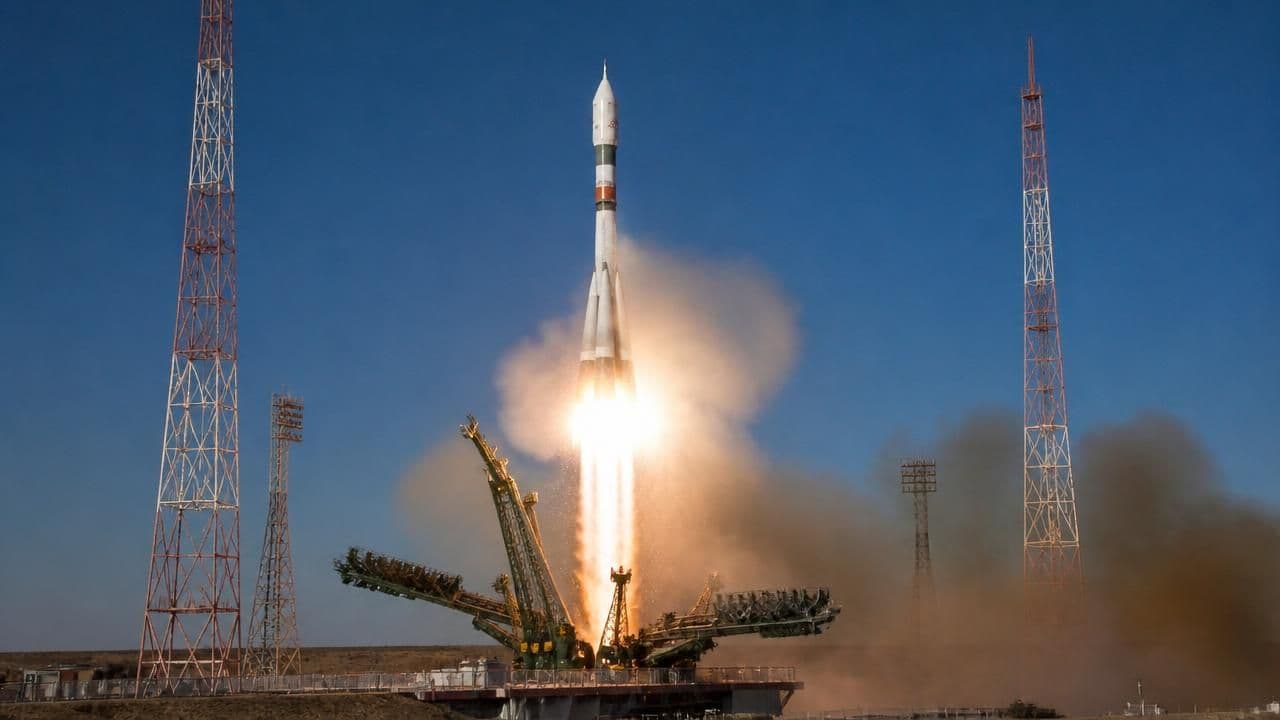
Roscosmos resupply mission launches Sept. 9 while NASA advances Artemis lander tests and reflects on station legacy from Mir to ISS.

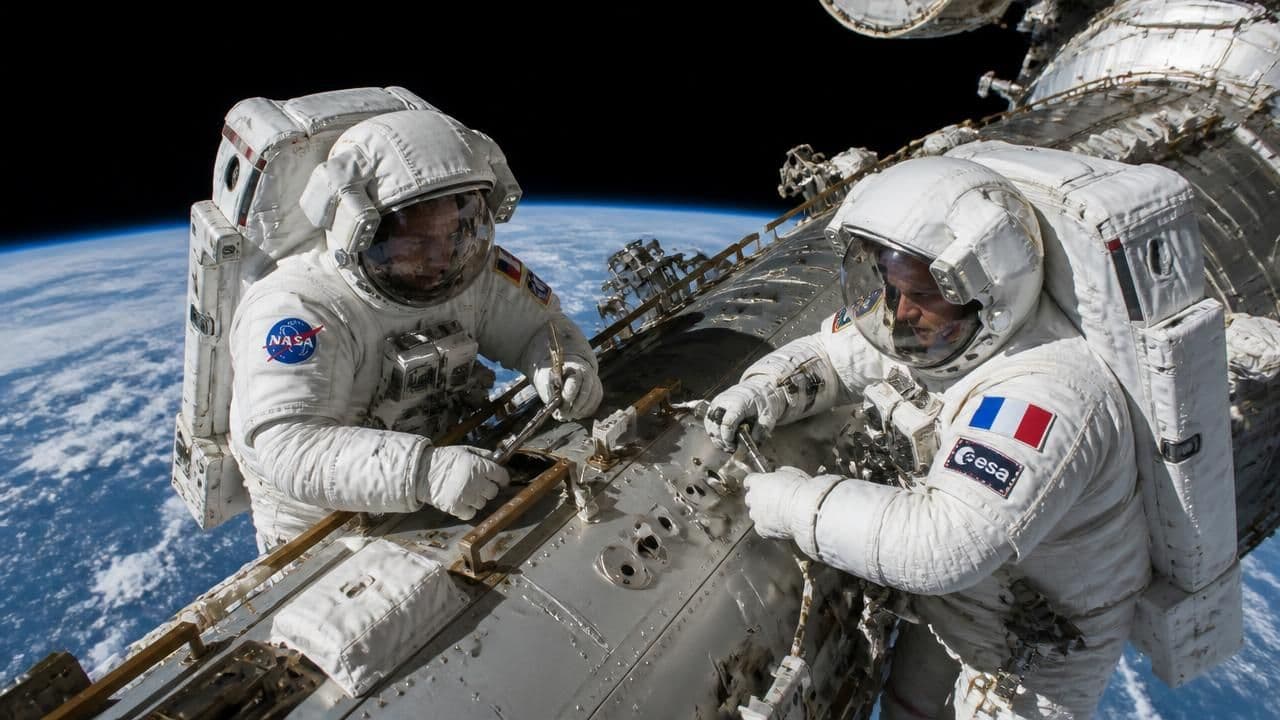
Two astronauts will replace navigation hardware, upgrade systems, and make history in the 99th U.S. spacewalk, streaming live on NASA and Netflix.

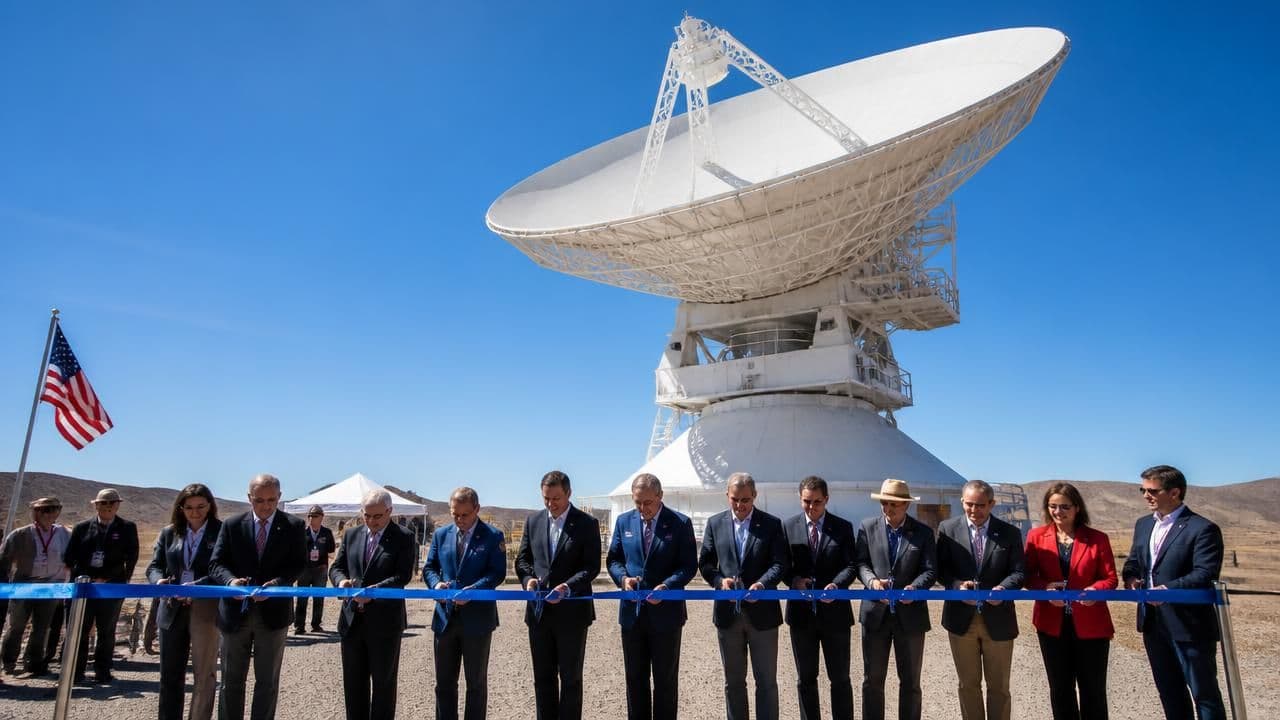
Expanding the Deep Space Network with DSS-23, alongside advances in AI chips and nuclear power for deep space exploration.

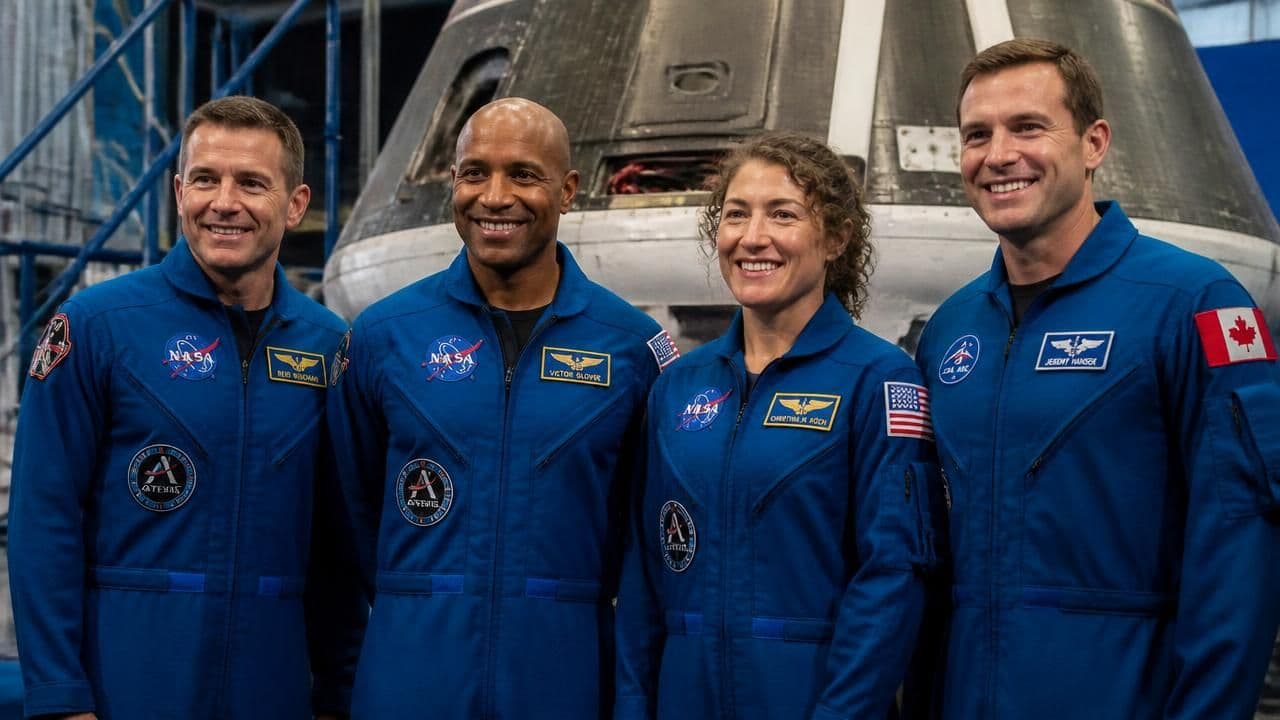
President Trump honors first crew to fly beyond the Moon in five decades, while Congress weighs a Gold Medal and NASA races toward Artemis III.

Fresh awards for payload processing, orbital transfer studies, and lunar services show NASA's deepening reliance on private industry.

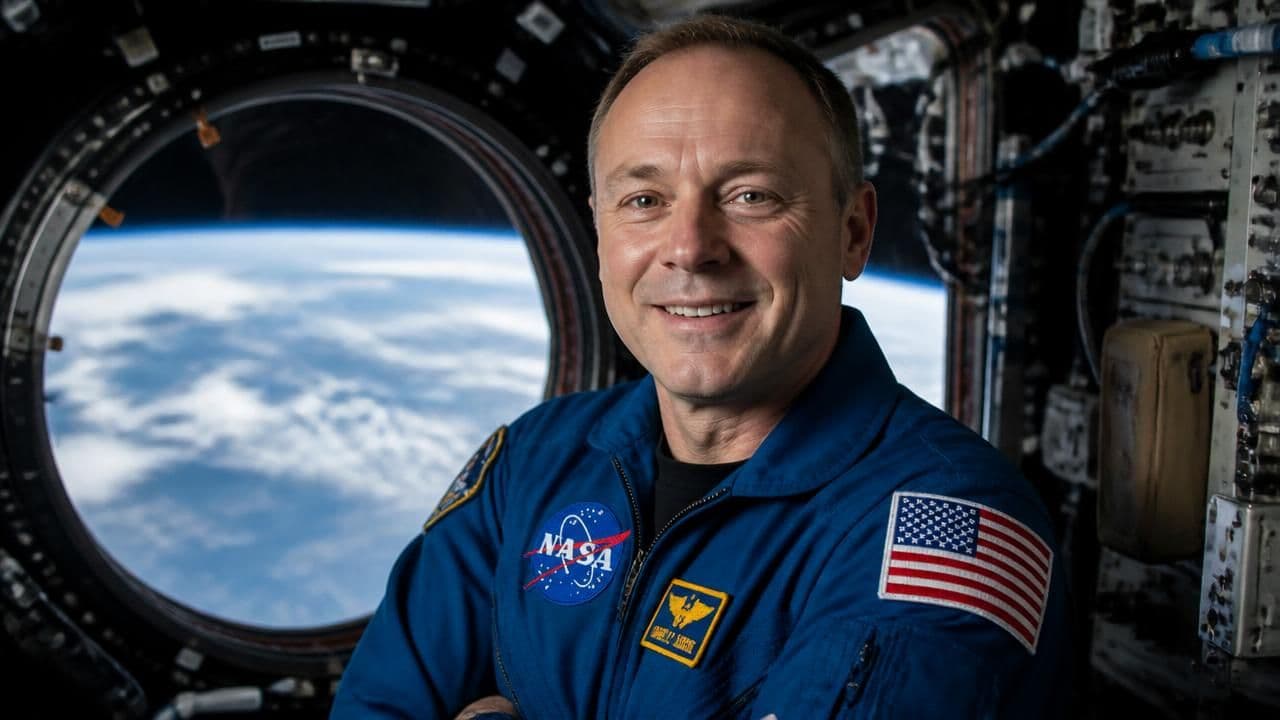
After a medical emergency cut short his final ISS mission, Fincke retires with 549 days in space.

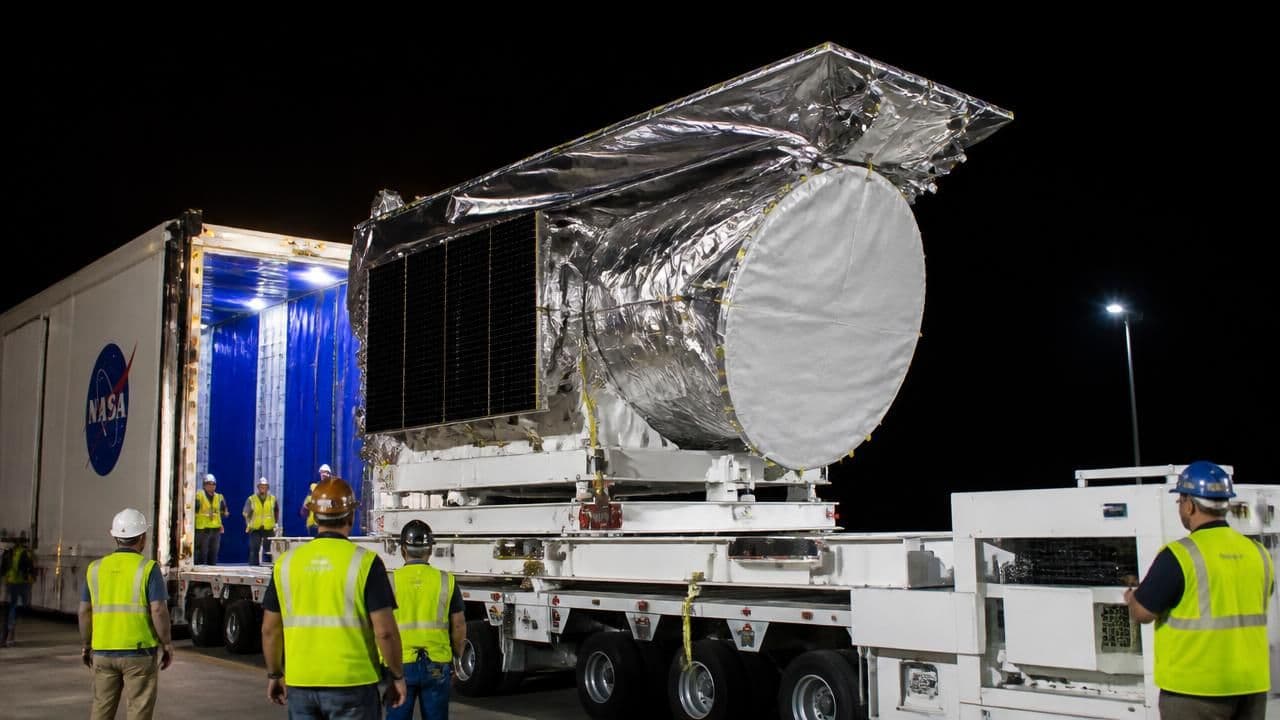
The $4.3 billion observatory, launching August 30 on a SpaceX Falcon Heavy, will survey billions of galaxies, hunt dark energy, and search for exoplanets.

From communications to robotics, students gain hands-on experience supporting Artemis and beyond