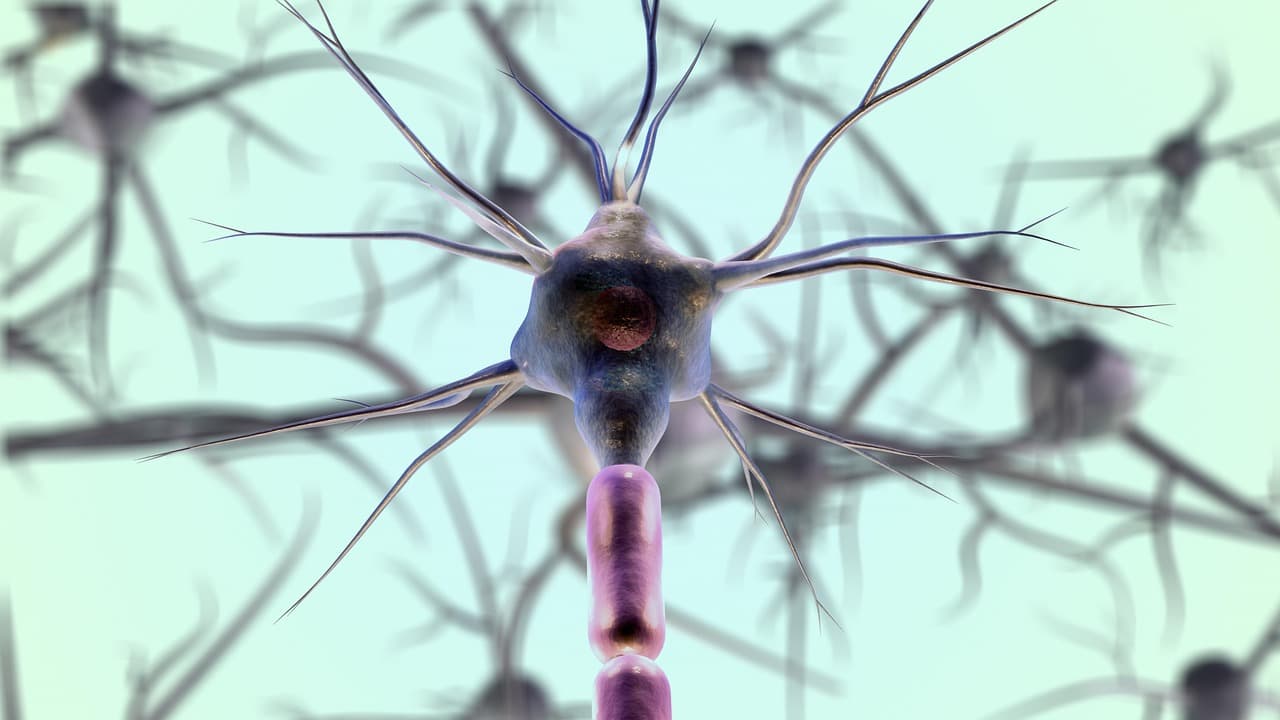
Immature Brain Cells and Protective Protein Offer New Clues to Alzheimer’s Resilience
Dutch tissue studies and tau experiments suggest the brain may resist dementia by repairing itself and tolerating damage, not only by clearing toxic proteins.

Dutch tissue studies and tau experiments suggest the brain may resist dementia by repairing itself and tolerating damage, not only by clearing toxic proteins.

The vast supercomputer model traces how dark matter, gas and radiation forged the first stars, galaxies and black holes after the Big Bang.

Less than a month after flooding mathematicians with hundreds of manuscripts, OpenAI returns with new results and a more guarded approach to academic collaboration.

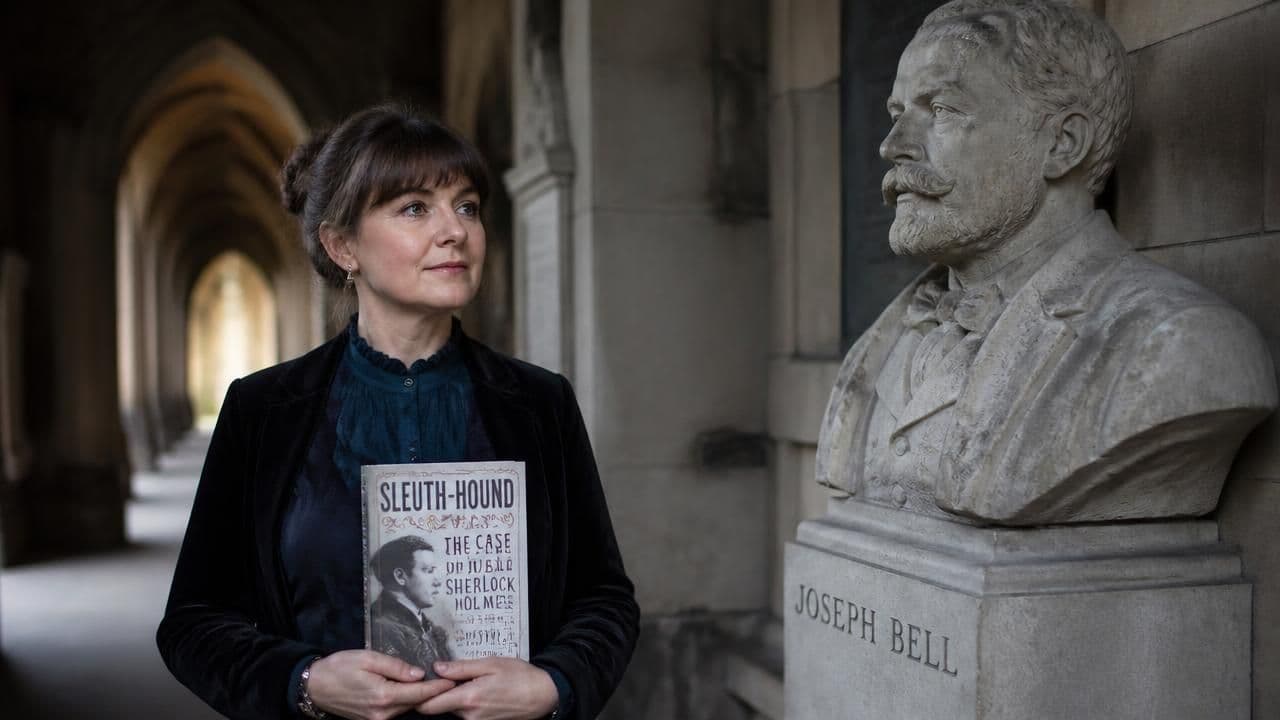
Lindsey Fitzharris's "Sleuth-Hound" traces how Arthur Conan Doyle's medical mentor applied deductive diagnosis to real criminal cases — and became fiction's most famous detective.

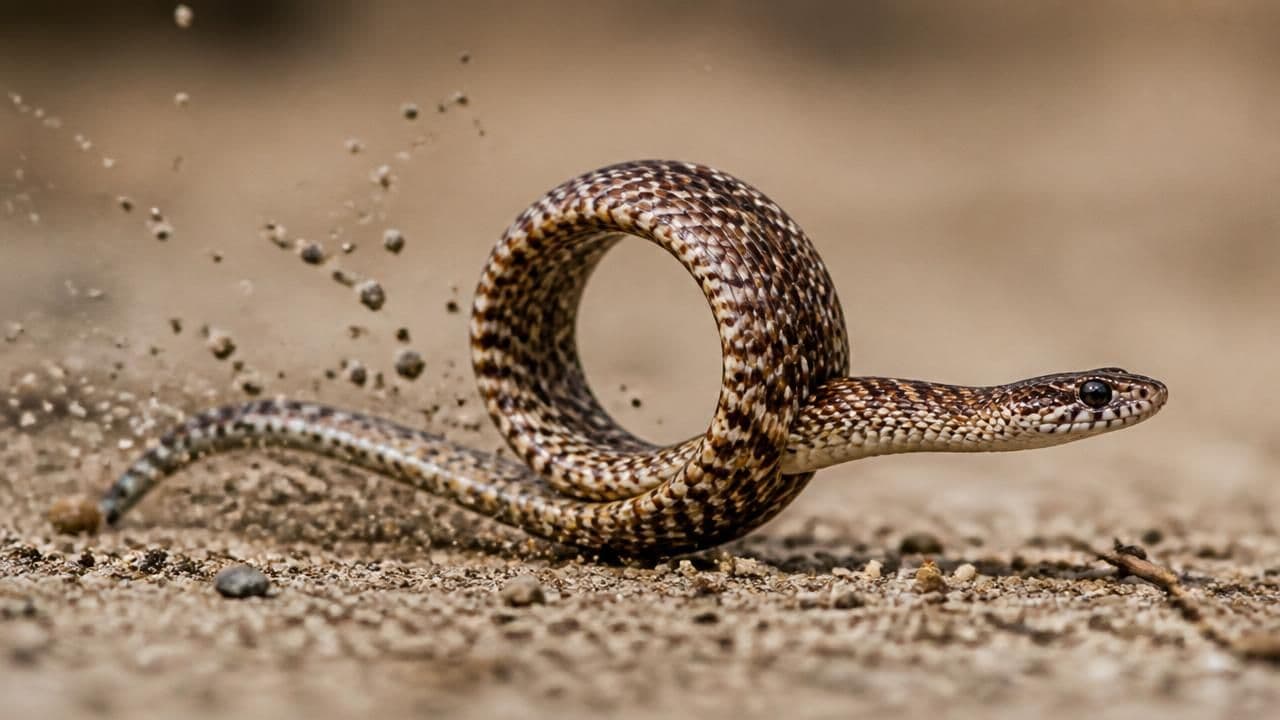
High-speed cameras in Japan show Southeast Asian snakes rolling up to four times faster than they slither, with heads held stable.

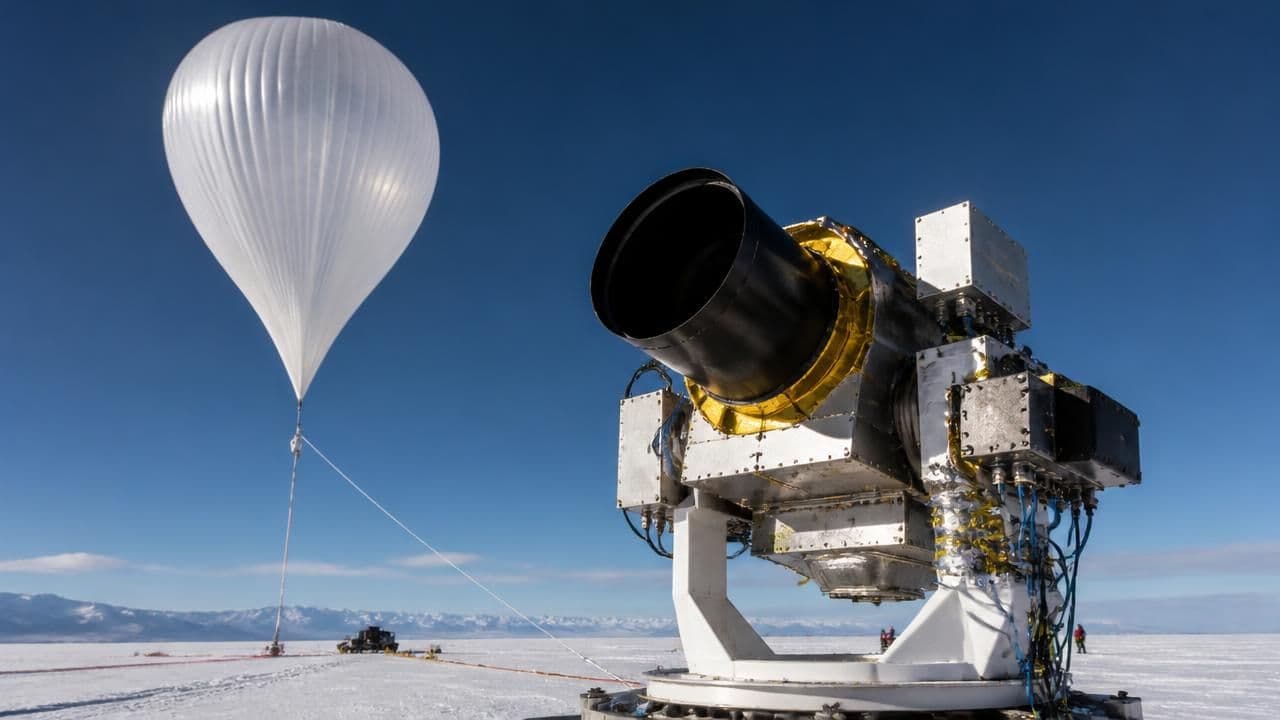
High above Earth, a solar observatory has mapped delicate magnetic threads and the fields inside towering plasma jets, deepening one of physics' oldest puzzles.

Regulator says his academy sold unregistered investment advice disguised as stock-market education, and levied an ₹11.5 crore penalty.

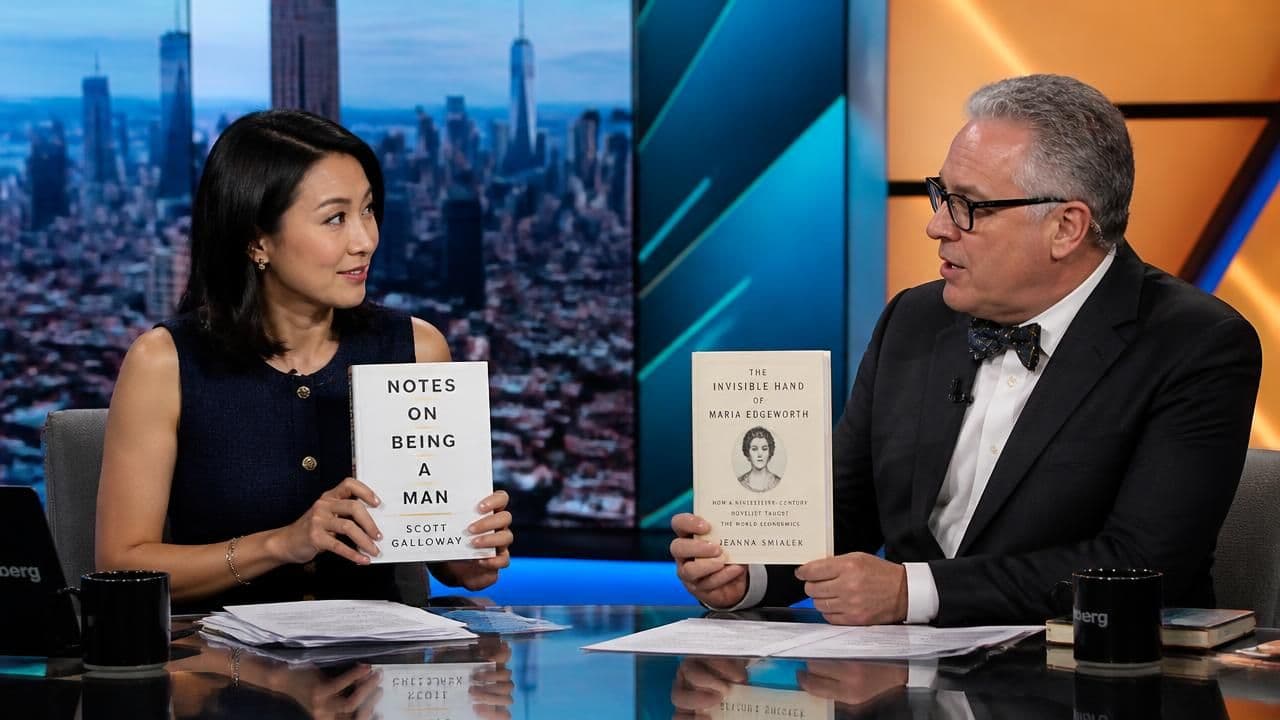
Scarlet Fu and Tom Keene spotlight two very different volumes — a modern treatise on masculinity and a study of a 19th-century novelist who taught the world economics.

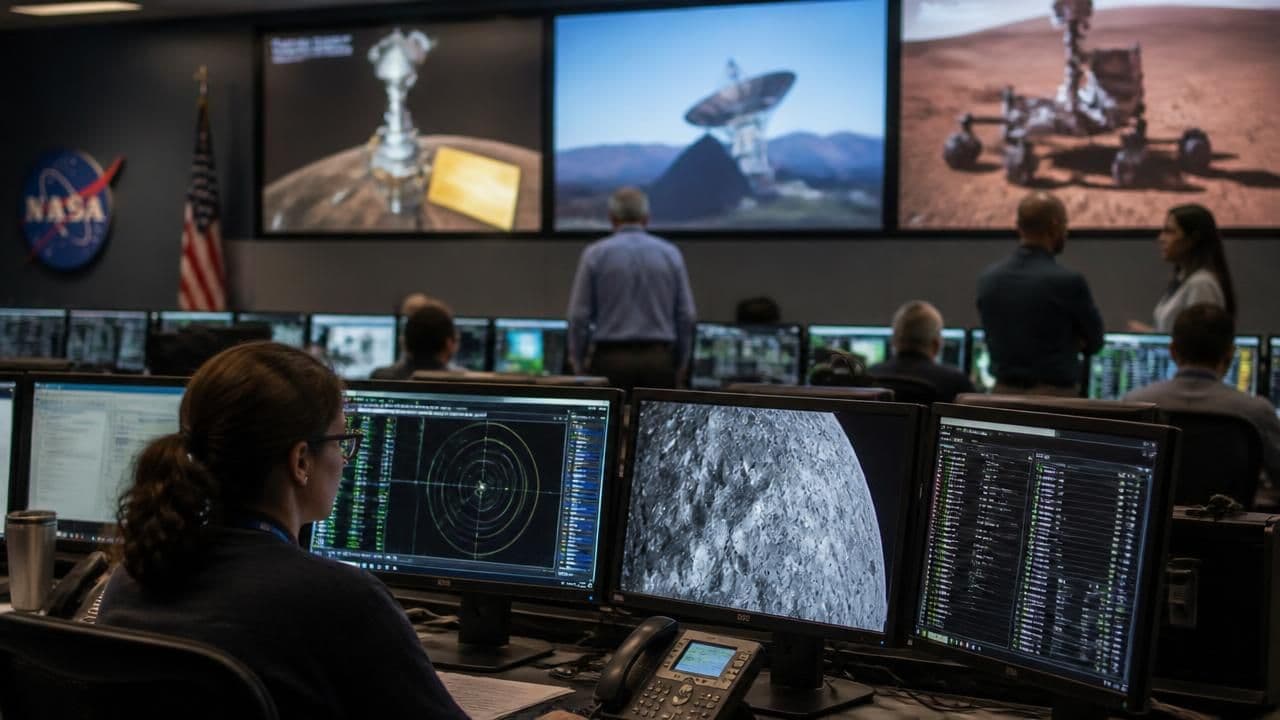
The Pasadena lab founded by Caltech students in 1936 celebrates a legacy of firsts and outlines future missions including lunar drones and Mars helicopters.

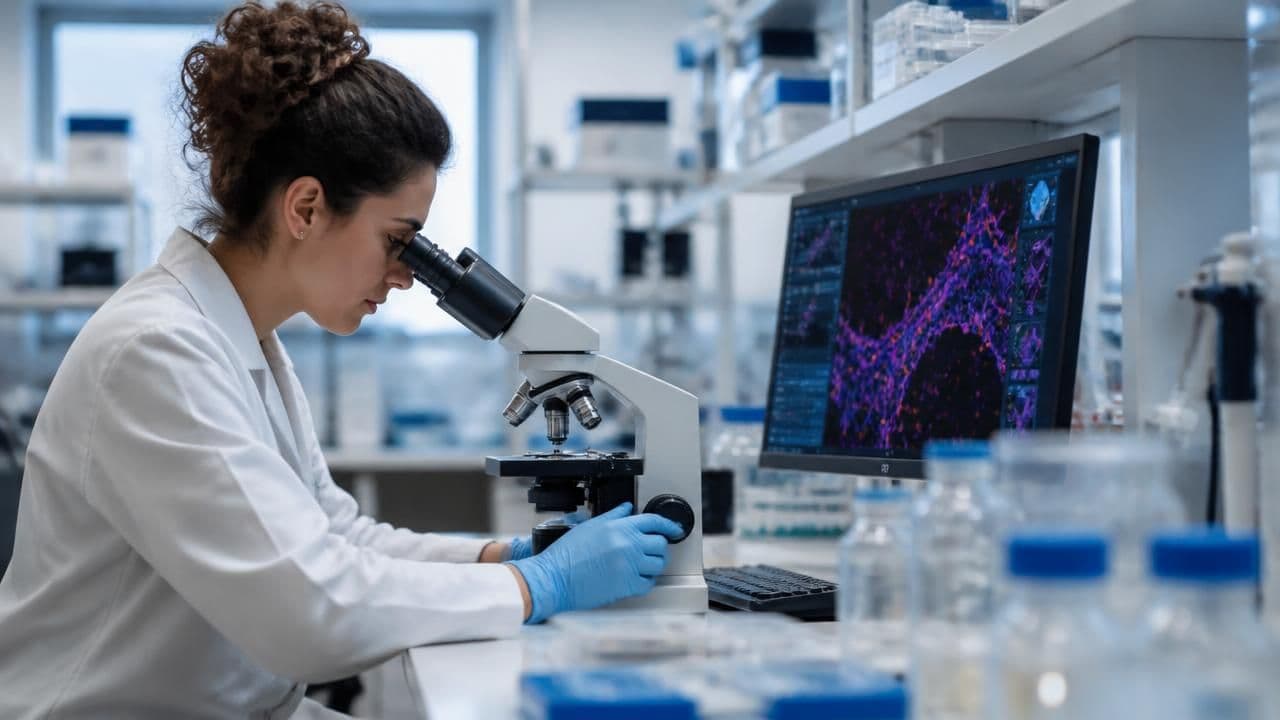
Researchers say the discovery reveals an immune-independent pathway of cellular damage that may help explain how viral infections and aging-related diseases wear cells down.