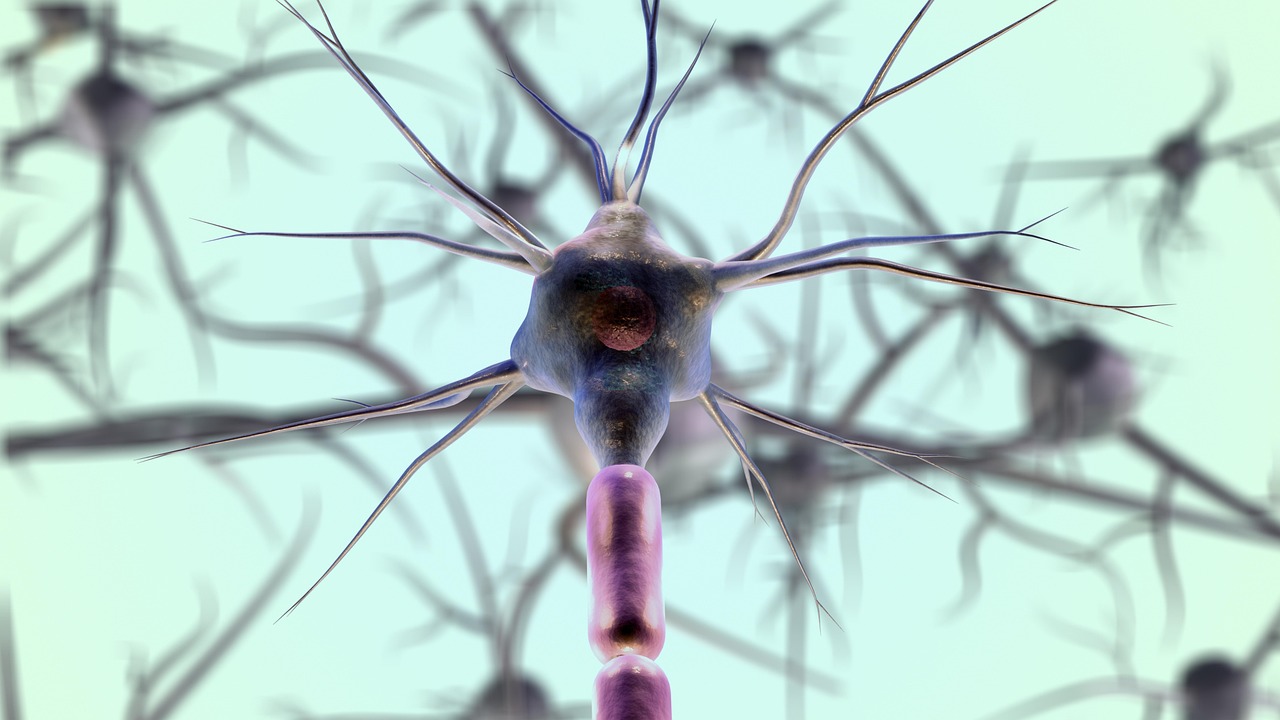
A surprising line of Alzheimer’s research is shifting attention from the toxic proteins that clog aging brains to the cellular defenses that may help some people withstand them. In findings highlighted by ScienceDaily and MSN, scientists in the Netherlands report that a rare population of immature brain cells persists into extreme old age and behaves differently in people who remain cognitively healthy compared with those who develop dementia. A related strand of research suggests that boosting a single protective protein can help neurons cope with toxic tau, the tangled protein tied to Alzheimer’s damage, without necessarily removing it.
The work matters because Alzheimer’s is not a simple story of plaques and tangles. Many people die with amyloid plaques and tau tangles in their brains but never show the memory loss, confusion and personality changes that define dementia. Researchers call this mismatch cognitive resilience, and understanding it could point to treatments that help the brain endure pathology rather than merely trying to erase it.
A rare cell population that persists
ScienceDaily reported that the Dutch team found a group of immature brain cells still present in donors over 80. That is unusual: most cells with developmental, immature characteristics are scarce in the adult brain. Yet these cells appeared in both cognitively healthy and dementia-affected brains, but their behavior differed sharply. In people who stayed sharp, the cells seemed to remain part of a supportive brain environment. In those with dementia, that behavior was altered, suggesting the cells may fail to maintain repair, plasticity or communication networks.
The finding does not prove that these cells cause Alzheimer’s or protect against it. Postmortem tissue can show correlation, not causation. But it offers a concrete biological clue to why two brains with similar amounts of amyloid and tau can produce very different clinical outcomes. It also fits a broader shift in neuroscience toward studying brain maintenance—how neurons repair damage, clear waste and rewire connections—rather than only the proteins that accumulate.
Boosting a protein instead of clearing tau
MSN framed the same body of work in more immediate terms: a surprising defense against Alzheimer’s risk, and a protein-boosting strategy that helps the brain fight the disease. Another ScienceDaily report put the emphasis on tau, noting that scientists found a way to fight Alzheimer’s brain damage without removing toxic tau.
That distinction is important. Tau normally helps stabilize the internal skeleton of neurons. In Alzheimer’s, it becomes abnormally modified and clumps into tangles, disrupting transport, synapses and cell survival. Most experimental therapies have tried to prevent tau from forming tangles or to clear it away. The new approach suggests an alternative: strengthen the neuron’s ability to tolerate tau stress. In laboratory experiments, boosting a protective protein improved neuronal health even when toxic tau remained present.
The emerging view is that resilience may matter as much as clearance: keeping neurons alive and connected can buy the brain time even when pathology is present.
If confirmed, that would broaden the drug-development playbook. A therapy that helps neurons withstand damage could potentially be combined with antibody treatments or other approaches that target amyloid and tau. It might also be useful in other neurodegenerative conditions where toxic proteins accumulate.
How the findings fit together
The two lines of evidence are complementary rather than identical. The immature-cell finding points to the brain’s regenerative and supportive environment. The protein-boosting finding points to a stress-response mechanism inside neurons. Together, they suggest that resilience is not one switch but a set of cellular capabilities: maintain the niche, protect the neuron, preserve connections and limit inflammation.
- The Dutch tissue work compared brains of donors over 80, looking for cells that retain immature characteristics.
- In cognitively healthy donors, those cells appeared to support a more resilient brain environment; in dementia, their behavior changed.
- The tau experiments increased a protective protein and measured whether neurons survived toxic tau without requiring tau removal.
- The results are early and mostly mechanistic, not a clinical treatment or prevention strategy.
The source framing reflects different audiences. ScienceDaily’s first headline emphasized the mystery of resistance to Alzheimer’s, while MSN’s headlines stressed defense and protein boosting. ScienceDaily’s tau story highlighted a potential way to fight brain damage without removing the toxic protein. All three point to the same larger idea: the brain’s response to pathology may be as important as the pathology itself.
What it means for patients
For now, the findings do not translate into a drug, supplement or lifestyle prescription. Alzheimer’s affects more than 55 million people worldwide, and available treatments offer modest benefits. Researchers caution that human trials are needed to show whether boosting resilience pathways can delay symptoms or change the course of disease. The immature-cell population must also be characterized in larger and more diverse brain cohorts, and scientists will need to determine whether the cells are a cause, consequence or bystander of cognitive health.
Still, the research adds to a growing case that Alzheimer’s resilience is biologically real and potentially malleable. If future studies show that these cells or protective proteins can be safely harnessed, the goal may shift from simply removing toxic tau to helping the brain survive it—a subtle but important change in how science confronts dementia.