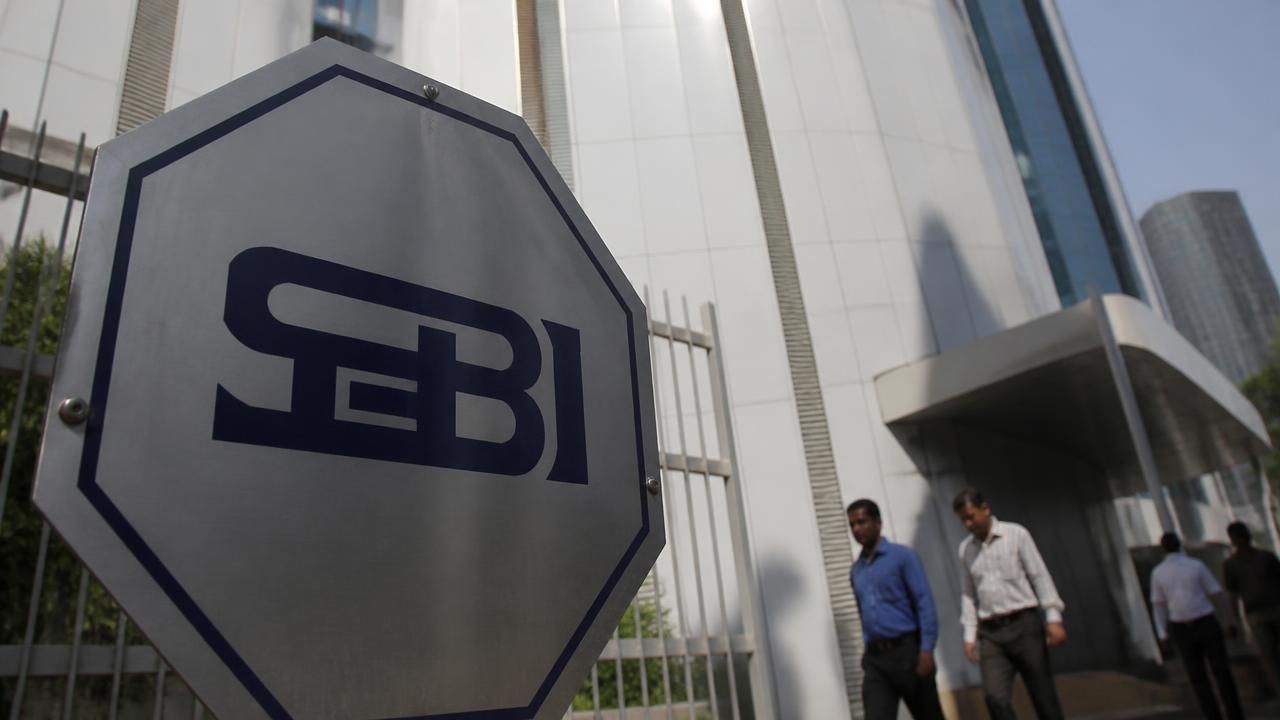
India's securities market regulator has ordered options trader Avadhut Sathe and his trading academy to return ₹546.17 crore — about $57.5 million — to the people who paid for their courses, after concluding that the business was dispensing unregistered investment advice and research services under the cover of stock-market education. The Securities and Exchange Board of India (SEBI) paired the refund order with a market ban on Sathe and the academy and a separate monetary penalty of ₹11.5 crore, according to multiple reports of the ruling.
The case is one of the largest enforcement actions yet against India's sprawling ecosystem of trading coaches, self-styled "finfluencers" and paid market-education programmes, a fast-growing industry that regulators have struggled to police as retail participation in Indian equities has surged.
What the regulator found
At the centre of the order is Avadhut Sathe Trading Academy Pvt Ltd, or ASTPL, and its founder, a well-known options trainer with a substantial following among retail traders. In substance, SEBI's findings hold that the academy's paid programmes went beyond teaching and crossed into recommending specific securities and offering research-based views on markets, activities that require registration as an investment adviser or research analyst.
The activities were carried out "under the guise of stock market education," with course participants effectively receiving unregistered investment advice and research services, the order found.
The refund of ₹546.17 crore represents the aggregate of fees collected from course participants, to be returned to them. Bloomberg, reporting the same decision, expressed the figure in dollars at roughly $57.5 million — a framing that highlights the scale of the business for an international audience, while Indian outlets led with the rupee number because that is what affected students will recover.
The money: refund, penalty and a market ban
- Refund: ₹546.17 crore (about $57.5 million) to be returned to course participants.
- Penalty: ₹11.5 crore imposed on Sathe and the academy, per reports citing the order.
- Market ban: Sathe and the entity have been barred from the securities markets, restricting their ability to deal in or advise on securities.
The order draws on SEBI's powers to order disgorgement of gains made through alleged violations of the SEBI Act and the regulations governing investment advisers and research analysts. Initial reports did not spell out the mechanics or timetable of how the refund will be distributed to students, nor the precise terms and duration of the market ban.
Education or advice? The line SEBI is drawing
The case turns on a distinction that has become central to Indian securities regulation: teaching people how to trade versus telling them what to trade. Educational content is broadly permitted without registration. Personalised recommendations, target prices, model portfolios and buy-or-sell research are not.
In practice, the boundary is blurry. Paid cohorts often blend lectures with live market commentary, "stock ideas" and mentor-led trade calls delivered through private chat groups — features that regulators increasingly treat as advisory services, regardless of the label attached to the product.
A widening crackdown on market influencers
SEBI has spent the past several years tightening rules around investment advice and research, introducing curbs on unregistered financial influencers and requiring greater separation between genuine education and advisory services. Enforcement has escalated in parallel, with orders against online personalities and training outfits accused of monetising audiences without the licences that professional advisers must hold.
The backdrop is structural. Demat account openings in India have multiplied since the pandemic, drawing millions of first-time investors into equities and derivatives. Derivative trading in particular has drawn regulatory concern, with studies and officials repeatedly warning that a large majority of individual options traders lose money. Against that, paid trading courses promising mastery of the options market have proliferated — and the sums involved, as this order shows, can run into hundreds of crores.
How the story was reported
Coverage of the ruling varied in emphasis. Bloomberg framed it first as a refund story, converting the amount into dollars and describing the conduct as unregistered advice and research given under the appearance of education. Indian outlets put the enforcement package front and centre, with headlines pairing the ₹546 crore refund with the ₹11.5 crore penalty. Some aggregator feeds carried only the headline and truncated content, meaning readers relying on a single wire item might have seen the penalty without the far larger refund, or vice versa. Read together, the sources describe a single, three-part remedy: restitution, penalty and exclusion.
What it means for investors and the advice industry
For the thousands who paid for such programmes, SEBI's order offers a route to recovery — though experience with large disgorgement orders suggests actual recoveries can be slow and partial. For the wider education industry, the signal is blunt: a course fee does not convert a recommendation into syllabus material, and regulators will look at what students were actually told, not at the branding.
For retail participants, the practical lesson is to check registration status before paying for advice. SEBI maintains public registries of investment advisers and research analysts; a trainer who markets stock calls is expected to appear there, or to stay clearly on the teaching side of the line.
The order is subject to appeal, and Sathe and ASTPL retain the right to challenge it before the Securities Appellate Tribunal. Whether it survives scrutiny, the enforcement intent is unmistakable: India's market regulator is treating the sale of confident-sounding trade calls to novice investors as a licensing matter, not a matter of pedagogy.