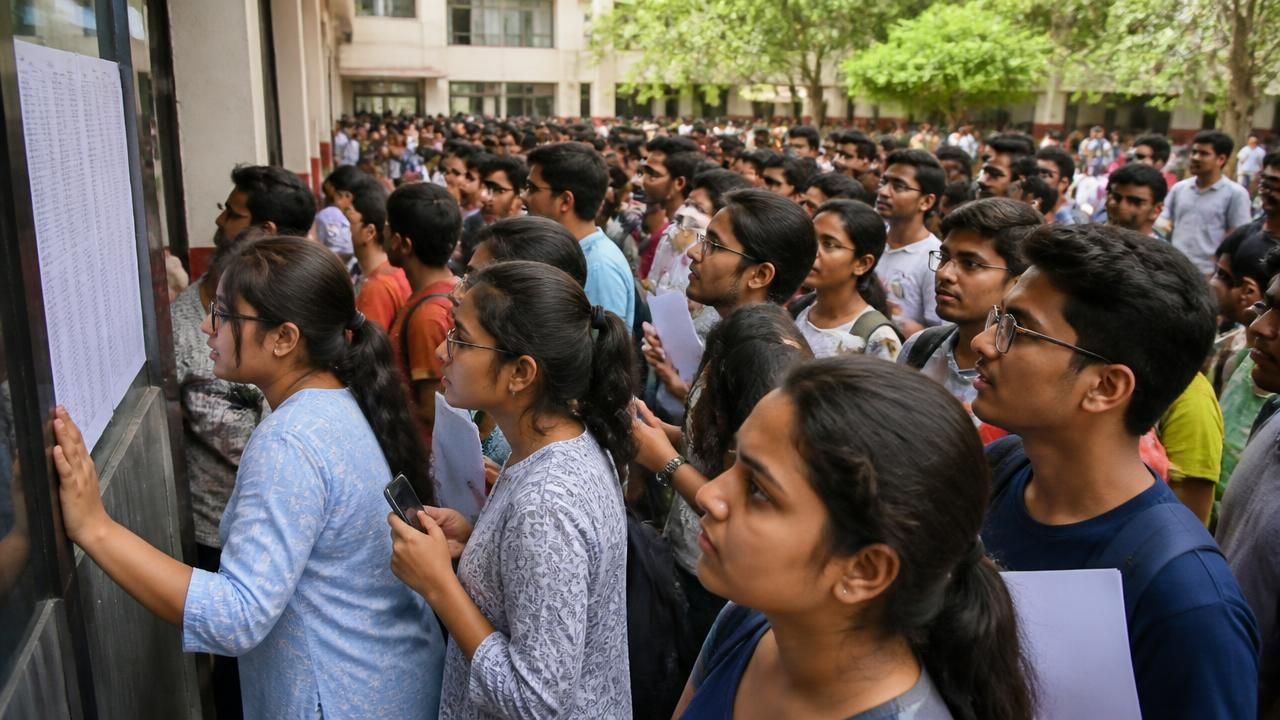
India’s government is preparing a sweeping overhaul of the country’s high-stakes examination system, combining technological fixes with an expert-led review after a series of leaks and cancellations eroded public confidence in national testing. Union minister Pralhad Joshi told Bloomberg Markets that the government will revamp the examination system using technology, as authorities confront weaknesses exposed by recent exam leaks.
The move comes as a high-level committee led by Infosys co-founder and Aadhaar architect Nandan Nilekani has opened a public consultation to solicit suggestions for overhauling the examination system. The panel, reported by livemint.com, includes six experts tasked with reforming the National Testing Agency (NTA), the body responsible for conducting exams such as NEET, JEE Main, UGC-NET and CUET.
Among the committee members is former ISRO chairman K. Radhakrishnan, according to livemint.com, whose title highlighted the “Aadhaar architect, ex-ISRO chairman” as key figures in the NTA exam reforms. The inclusion of Nilekani, who helped build India’s digital identity infrastructure, and Radhakrishnan, who led India’s space agency, signals a twin focus on technology and rigorous process design.
Public consultation opens
Aggregated reports on MSN said the Nandan Nilekani-led panel has opened a public consultation to overhaul India’s examination system. The panel is seeking suggestions from students, parents, teachers, academics and the general public. The consultation is intended to gather diverse perspectives on question-paper security, exam delivery, evaluation, grievance redressal and the use of technology. While details of the submission window were not immediately available, the open call marks a shift from the traditional closed-door committee approach.
Joshi’s comments to Bloomberg’s Yvonne Man were part of a broader interview covering multiple portfolios. He said the government would use technology to address the vulnerabilities that have plagued centralized exams.
“We will revamp the examination system using technology,” Joshi said, according to Bloomberg Markets.He did not elaborate on specific measures, but the direction aligns with the Nilekani panel’s mandate.
The crisis erupted in 2024 when allegations of paper leaks and irregularities forced the cancellation of UGC-NET and triggered protests over NEET-UG. The NTA, established in 2017 to streamline entrance exams, suddenly became a symbol of systemic failure. Millions of students depend on a handful of national tests for admission to medical, engineering and research programmes, making any disruption a national event.
A system failing in new ways
The Economist framed the problem as “India’s education system is failing in new ways.” The magazine’s analysis suggests that while access to schooling has expanded, the quality and integrity of assessments have not kept pace. High-stakes exams have become pressure cookers, breeding a cottage industry of cheating, leak syndicates and coaching centres. The recent leaks are not isolated incidents but symptoms of an over-centralized, under-secured testing architecture.
Critics argue that technology alone cannot solve a crisis rooted in institutional accountability, inadequate teacher training and a mismatch between education and employment. India’s young workforce needs skills, not just credentials. The panel’s recommendations will be watched for whether they address these deeper issues or merely digitize a broken process.
Technology as a double-edged sword
Nilekani’s involvement has raised expectations that India’s digital public infrastructure—Aadhaar, DigiLocker, and online authentication—could be deployed to secure exams. Possible measures include biometric verification, encrypted question papers, AI-based monitoring, randomized question banks, and real-time audit trails. The ex-ISRO chairman’s presence could also bring expertise in mission assurance and failure analysis.
But privacy advocates warn that expanding surveillance and data collection must be balanced with student rights. Aadhaar-based authentication, for instance, has been controversial in other domains. The panel will need to ensure that technological solutions are accessible, transparent and resistant to manipulation.
How outlets frame the story
- Bloomberg Markets focused on the minister’s promise of a technology-driven overhaul, framing it as a government response to exam leaks.
- MSN and other aggregators highlighted the public consultation, emphasizing citizen participation in reforming the exam system.
- Livemint zeroed in on the committee’s composition, profiling the six experts and their credentials.
- The Economist took a broader view, arguing that India’s education system is failing in new ways that go beyond exam security.
- Business Standard’s education topic page was inaccessible, a reminder that even media access can be constrained in a fast-moving story.
What experts say
Education policy analysts say the NTA needs structural reform: decentralization of question-paper setting, multiple exam windows, stronger encryption, independent audits, and a clear grievance redressal mechanism. They also call for a shift away from rote learning and single-exam gatekeeping. Many educationists argue that you cannot secure a system that millions of students have no choice but to trust blindly.
What happens next
The Nilekani panel is expected to submit recommendations after reviewing public input. Its proposals could reshape how millions of students take exams each year. If implemented, reforms may include a multi-layered security protocol, digital proctoring, and a revised NTA governance structure. The government has not set a timeline, but pressure is high: the next academic cycle looms, and student groups are demanding swift action.
Ultimately, the overhaul will be judged not by the elegance of its technology but by whether it restores trust. For India’s exam system, the stakes could not be higher. A generation of students, parents and employers is watching.