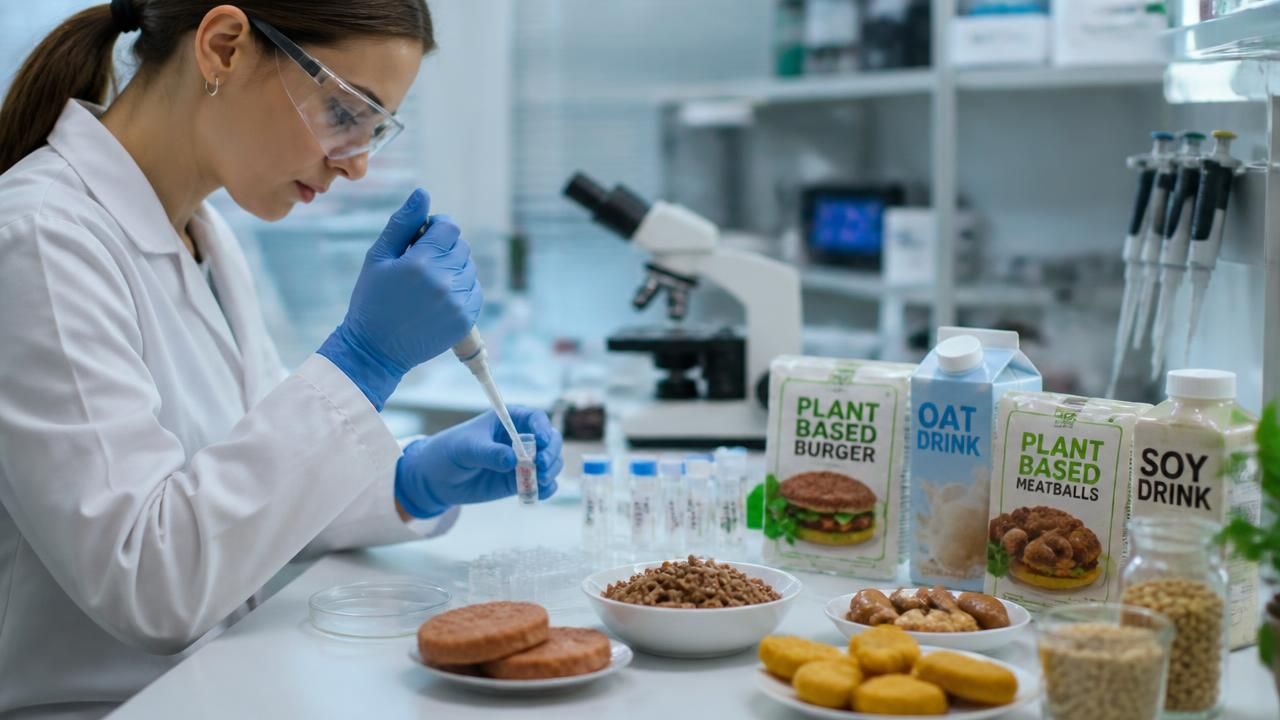
In a finding that has sent ripples through the plant-based food industry, scientists have discovered that every single one of 212 plant-based meat alternatives and drinks tested in the UK contained at least one naturally occurring fungal toxin known as a mycotoxin. The study, reported by multiple outlets including Science Daily and The Independent, found that while concentrations remained below recommended European Union guideline levels, the long-term health implications of regular consumption are still unclear.
What the Study Found
Researchers analyzed a broad range of plant-based products—from veggie burgers to oat milk—and found that 100% of the samples contained at least one mycotoxin. Mycotoxins are toxic compounds produced by certain fungi that can contaminate crops before harvest or during storage. Common examples include aflatoxins, ochratoxin A, and fumonisins, which have been linked to kidney damage, immune suppression, and even cancer in high doses.
The study, which has not yet been published in a peer-reviewed journal but has been widely covered, tested products available on the UK market. According to NationofChange, the findings suggest that 'nearly all plant-based meat alternatives contain mycotoxins,' a headline echoed by trade publication Meatingplace. The presence of mycotoxins is not unique to plant-based products—they are found in many agricultural commodities, including grains, nuts, and coffee—but the fact that every product tested positive has drawn attention.
“The bigger question is whether regularly eating large amounts of these foods could lead to potentially concerning cumulative exposure over time,” the researchers said in a statement.
Health Implications: Danger or False Alarm?
The immediate reaction from many headlines was alarm. Food & Wine ran a piece titled “A New Study Found Hidden Mycotoxins in Oat Milk, Veggie Burgers, and 210 Other Plant-Based Foods,” while Yahoo and MSN both trumpeted that mycotoxins were found in “every single one” of the 212 products. But food safety experts urge caution in interpreting the results.
“The levels are below EU regulatory limits, which are designed to be protective,” said a food safety scientist who reviewed the study (speaking on condition of anonymity because they were not authorized to comment publicly). “The real concern is whether the sum of multiple low-level mycotoxins from various foods could add up over time.” This echoes the researchers’ own caveat about cumulative exposure.
EatingWell asked directly, “Are They Dangerous?” and noted that the presence of a toxin does not automatically equal harm. The study measured concentrations, not health outcomes. For perspective, mycotoxins are ubiquitous in the food supply; rice, corn, wheat, and even spices commonly contain trace amounts. Regulatory limits are set to balance safety with practicality.
The Missing Context: Why Plant-Based Alternatives Exist
In the flurry of coverage, some outlets criticized the sensationalism. Vegconomist, a plant-based business news site, ran a piece titled “What the Mycotoxin Headlines About Plant-Based Food Are Missing,” arguing that the study should be viewed in context. That context includes the environmental and ethical drivers that push consumers toward plant-based diets—factors that a mycotoxin scare should not obscure.
For example, a separate study highlighted in The Sun pointed out that burping cows make butter production three times more damaging to the climate than plant-based spreads. The livestock industry contributes significantly to greenhouse gas emissions, and plant-based alternatives are often positioned as a more sustainable choice. If mycotoxin concerns are blown out of proportion, proponents worry it could undermine the transition to lower-impact diets.
Innovation in Plant-Based Proteins
Meanwhile, innovation in the alternative protein space continues apace. Food & Wine reported that scientists have found an unlikely new source for a key meat protein: lettuce. This could lead to more diverse and possibly less mycotoxin-prone protein sources in the future. Additionally, research published in Scientific Reports (source 11) focused on improving perceptions of cultivated meat and plant-based proteins in Singapore, suggesting that consumer acceptance is a major hurdle even outside the mycotoxin debate.
What Should Consumers Do?
The study’s authors do not advise removing plant-based products from your diet. Rather, they call for more research into mixtures of mycotoxins and potential synergistic effects. The UK Food Standards Agency, which monitors such contaminants, has not changed its guidance.
For now, the takeaway is nuanced. Yes, mycotoxins are present in plant-based meats and drinks, just as they are in many conventional foods. The levels are low enough to comply with safety standards, but the cumulative exposure question remains open. As one expert put it, “This is a helpful reminder that no food is perfectly clean—but it’s not a reason to panic.”
The Bottom Line
The study adds an important piece to the evolving puzzle of alternative proteins. As the industry grows, so will scrutiny of its products. Balancing the proven benefits of plant-based diets—for personal health, animal welfare, and the planet—with emerging food safety data is the next challenge. Consumers would be wise to keep perspective: mycotoxins are everywhere, regulatory systems exist for a reason, and one study is not the final word.
What the headlines miss is that the plant-based revolution is not just about what is in the burger—it is about what it replaces. And on that front, the evidence remains compelling.