Two to Three Cups of Coffee a Day Linked to Sharply Lower Dementia Risk in 43-Year Study
The benefit held regardless of genetic predisposition, but decaffeinated coffee showed no such effect — a nuance researchers say points to caffeine itself.

The benefit held regardless of genetic predisposition, but decaffeinated coffee showed no such effect — a nuance researchers say points to caffeine itself.

An analysis of nearly 90,000 adults points to a little-known meat-borne sugar and chronic inflammation — but researchers caution the findings are early and observational.

Ruminant trans fats in milk, butter and cheese behave differently from industrial trans fats, researchers say — but that is not a free pass for dairy.

A 493-person trial found artificially sweetened drinks matched water for weight loss, though researchers still call water the gold standard.

A small preliminary study links sharp cuts in ultra-processed food to better mood — while other research warns the same foods may dull focus.

Observational research links heavy intake of widely used additives to cardiovascular risk, though researchers caution causation is unproven.

Japanese scientists find that pterostilbene, a natural compound in berries, reduces fat buildup in muscle cells, offering a new angle on metabolic health.

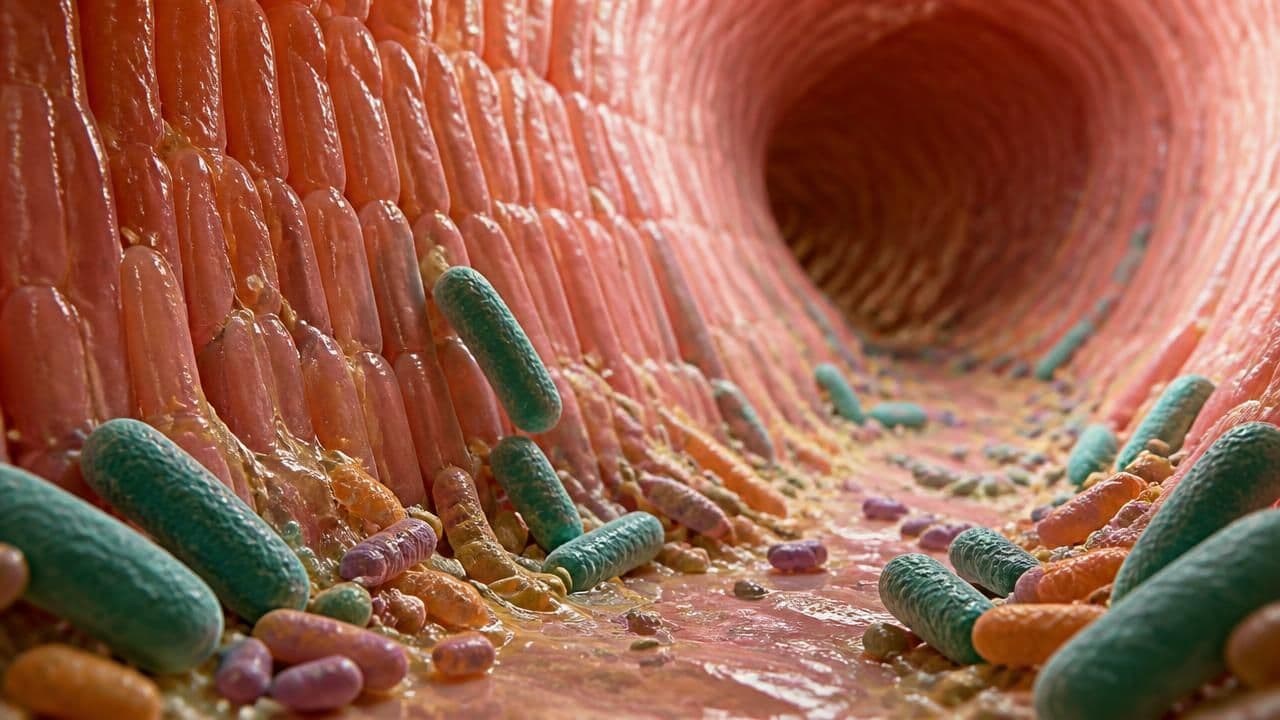
From mucus-munching microbes to microbiome-dependent celiac complications, new studies underscore fiber's non-negotiable role in gut health.

A six-month trial finds no benefits from reducing sweetness; experts suggest a broader approach to healthier eating.