A 30-Year Spaceflight Journey Comes to a Close
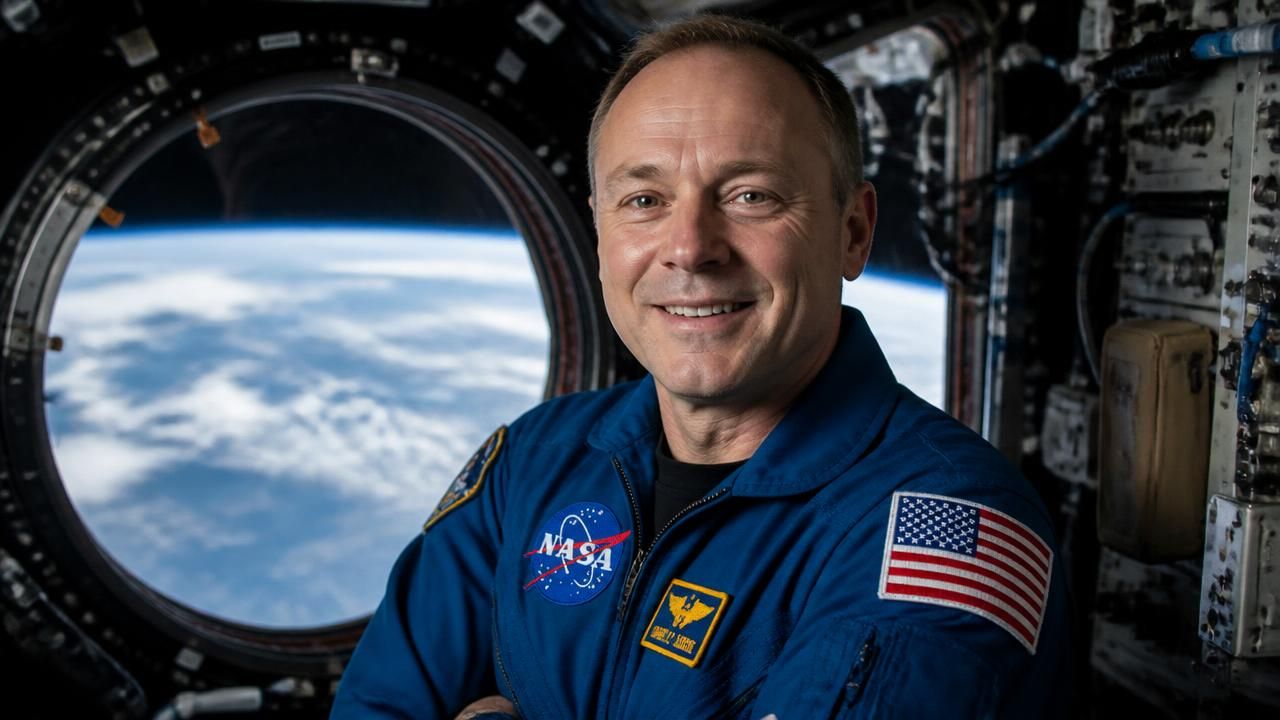
NASA astronaut Mike Fincke, one of the agency's most seasoned spacefarers, is departing NASA after a three-decade career that included four spaceflights, 549 days in orbit, and nine spacewalks. His departure, announced Wednesday, comes just months after his final mission, SpaceX Crew-11, returned to Earth under extraordinary circumstances—a medical emergency aboard the International Space Station (ISS) that forced the crew to cut its stay short.
Who is Mike Fincke?
Fincke, a Pittsburgh-area native from Emsworth, Pennsylvania, joined NASA in 1996 after serving as an Air Force test pilot and engineer. He first flew to space in 2004 aboard a Russian Soyuz, serving as a flight engineer on Expeditions 9 and 10 to the ISS. Over the next two decades, he logged two more long-duration missions and later served as a backup for multiple expeditions, including the first Boeing Starliner crewed test flight.
His career totals are staggering: 549 days in space, ranking fourth among NASA astronauts in cumulative time, and 48 hours and 37 minutes across nine spacewalks. He commanded two ISS expeditions and served as a mentor for the Artemis generation of lunar-bound astronauts.
“Few people have had the opportunity to shape as many chapters of NASA’s history as Mike Fincke,” said NASA Administrator Jared Isaacman. “Over a remarkable career, Mike served our nation as a pilot, engineer, astronaut, and mentor. From long-duration missions aboard the International Space Station to helping prepare the Artemis generation, his contributions have helped position NASA for what comes next. The success we’re building on today is possible because of people like Mike, who dedicated their careers to moving our space program forward and preparing the next generation to carry the mission even further.”
The Final Mission: Crew-11 and a Medical Emergency
Fincke's last mission was as pilot of NASA's SpaceX Crew-11, which launched in August 2025. The mission was intended to be a standard six-month rotation, but in January the crew returned ahead of schedule after a crewmate experienced a medical issue in space. Reports from CBS News, CNN, and NBC News described the incident as a medical emergency that required the crew to undock earlier than planned. The crew splashed down safely, but the specifics of the medical event have not been fully disclosed.
One report from Yahoo News mentioned that an astronaut suddenly couldn't speak in space, raising questions about how such emergencies are handled on future missions. While Fincke was not the affected crewmember, the incident highlighted the risks of long-duration spaceflight and the need for robust medical protocols aboard the ISS. The early return, which some outlets characterized as a medical evacuation, was a rare decision for a commercial crew mission and underscored the severity of the situation.
A Career of Records and Milestones
Fincke's four missions spanned both the Space Shuttle and commercial Crew eras. He flew aboard the Russian Soyuz, the Space Shuttle Endeavour, and SpaceX's Crew Dragon—an unprecedented variety of crewed spacecraft for a single astronaut.
- First mission: Soyuz TMA-4 (2004) - Expedition 9, flight engineer and NASA science officer
- Second mission: Soyuz TMA-13 (2008-2009) - Expedition 18, commander
- Third mission: STS-134 (2011) - Endeavour's penultimate flight, mission specialist
- Fourth mission: SpaceX Crew-11 (2025-2026) - pilot
He was also a key mentor for younger astronauts, often serving as a capsule communicator during launches and landings. His fluency in Russian made him a critical liaison with Roscosmos counterparts, and he was the first American to serve as a Russian mission control commentator in Russian.
How Different Outlets Framed the Story
The news coverage of Fincke's departure varied in emphasis. NASA's official announcement focused on his full career and legacy, with Administrator Isaacman praising his contributions. CBS News and CNN highlighted the medical emergency that shortened his final mission, while The New York Times simply noted his retirement and impressive 549-day tally. BBC and NBC used the term "medical evacuation" in their splashdown coverage, emphasizing the urgency. The differing angles reflect both the celebratory nature of a distinguished career and the gravity of the medical incident that overshadowed its end.
What's Next for Fincke and NASA?
Fincke has not announced his future plans, but his experience will likely be sought after in the commercial space sector. For NASA, his departure is part of a broader transition as the agency pivots toward Artemis and the eventual decommissioning of the ISS. The lessons from Crew-11's medical emergency will inform future crew training and spacecraft design, ensuring that the next generation of astronauts is better prepared for the unexpected.
In the words of NASA, "The success we’re building on today is possible because of people like Mike, who dedicated their careers to moving our space program forward and preparing the next generation to carry the mission even further."