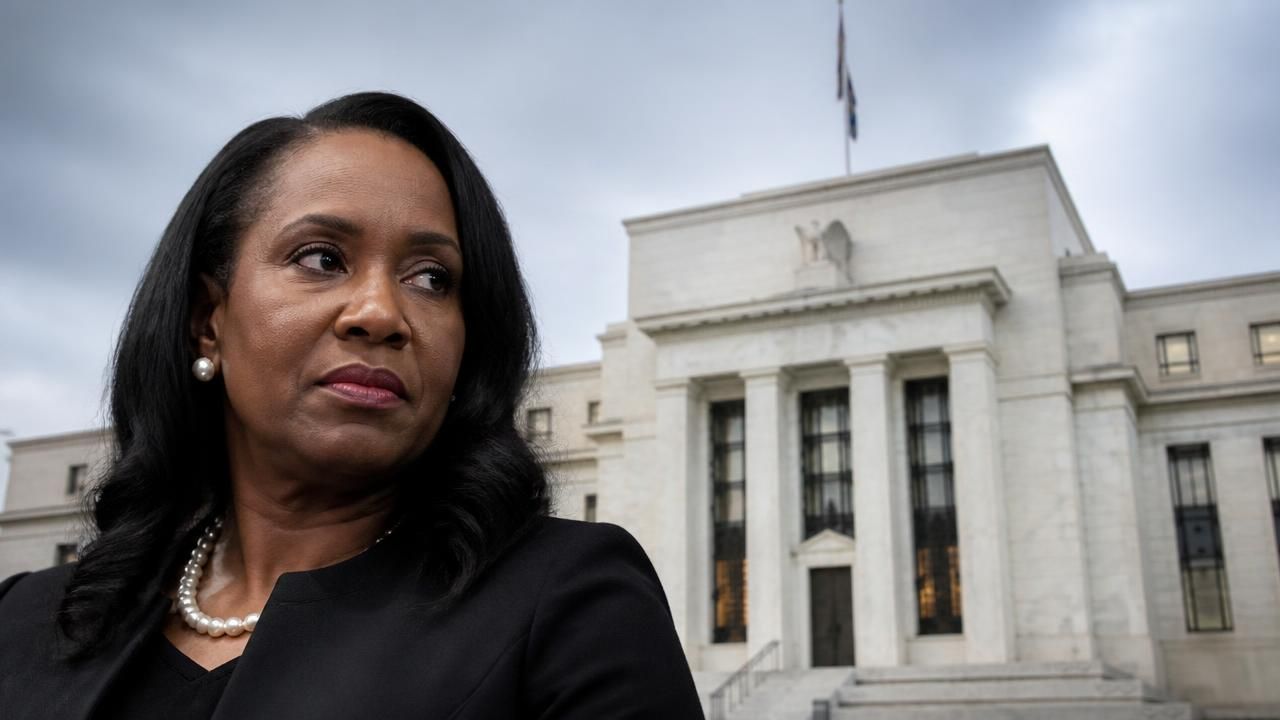
The White House has reignited its battle to remove Federal Reserve Governor Lisa D. Cook, sending the central bank official a letter stating that President Trump is “considering” whether to fire her. The move, reported by The New York Times and confirmed by multiple outlets, comes just weeks after the Supreme Court effectively blocked an earlier attempt. It marks a fresh escalation in Mr. Trump’s campaign to reshape the independent Federal Reserve in his own image.
A Renewed Push After a Legal Setback
According to The New York Times, the administration was rebuffed by the Supreme Court in its first attempt to remove Cook, who has served as a Fed governor since 2022. Politico reported that the Court “cast doubt on Trump’s power to fire a Fed official without proper review,” forcing the White House back to the drawing board. The new letter — sent on August 7, 2026, and reported by Fox Business, MSN, and MarketWatch — says the president is “considering” removing her, stopping short of an immediate termination order.
Cook, a Harvard-trained economist and former Michigan State University professor, has made clear she will not go quietly. In remarks carried by France 24, she insisted that the president lacks the legal authority to dismiss her.
“The President has no authority to fire me,” Cook said. “The law is clear, and I intend to continue my work on behalf of the American people.”
The administration has cited allegations related to mortgage loans as grounds for removal, though no formal findings have been released. The New York Times also reported that the Justice Department has opened a criminal investigation into a Fed board member — a development that adds a serious legal dimension to the standoff. The scope of that investigation has not been fully detailed.
The Fight Over Fed Independence
At the heart of the dispute is the Federal Reserve’s hard-won independence. Under the Federal Reserve Act, governors can be removed only “for cause” — a standard designed to insulate monetary policy from political pressure. Legal scholars say that presidents do not have the authority to remove a governor over policy disagreements or vague accusations. The Supreme Court’s earlier ruling appeared to reinforce that view, though it left the door open for a properly grounded removal proceeding.
MarketWatch framed the renewed effort as part of a broader push to “stack the Fed with allies.” The Trump administration has already appointed loyalists to key economic positions, and control of the central bank would give the White House enormous influence over interest rates, inflation, and bank regulation. “The Fed is supposed to be independent,” said one former Fed official quoted by Politico. “If presidents can fire governors whenever they want, it’s not independent at all.”
A Looming Collision with Capitol Hill
Politico reported that the fight is now “poised to crash into Capitol Hill.” Several senators have raised alarms about political interference, and the upcoming confirmation process for new Fed nominees could become a battleground. Democrats have warned that firing Cook would set a dangerous precedent and could roil financial markets. Some Republicans have defended the president’s authority to manage the executive branch, though others have expressed unease about the message it would send to global investors.
Different outlets have framed the story in sharply different ways:
- The New York Times described the move as an escalation of pressure on the central bank, and separately reported the Justice Department investigation.
- Politico emphasized the coming congressional clash and quoted observers who warned, “Trump’s going to take the Fed over.”
- MarketWatch focused on the president’s desire to install loyalists, noting that other independent agencies have already seen leadership changes.
- France 24 highlighted Cook’s defiant response and her insistence that the law protects her seat.
Historical Context and Implications
The Fed was established in 1913 with deliberately strong protections for its board members, and courts have long recognized limits on presidential removal power. In the 1935 case Humphrey’s Executor v. United States, the Supreme Court ruled that presidents cannot remove members of independent agencies except on grounds specified by law. That legacy is now being tested in real time.
Economists warn that the standoff could undermine confidence in the Fed’s ability to fight inflation without political interference. “Central bank independence is one of the key reasons investors trust the dollar,” said a senior economist quoted by France 24. “If that trust erodes, the costs will be borne by every American household.”
As the legal battle unfolds, all eyes will be on the courts — and on Cook herself. For now, she appears determined to remain at her post. The White House says it is “considering” her removal; Cook says the consideration is meaningless without lawful cause. The outcome will help define the limits of presidential power and the future of American economic governance.