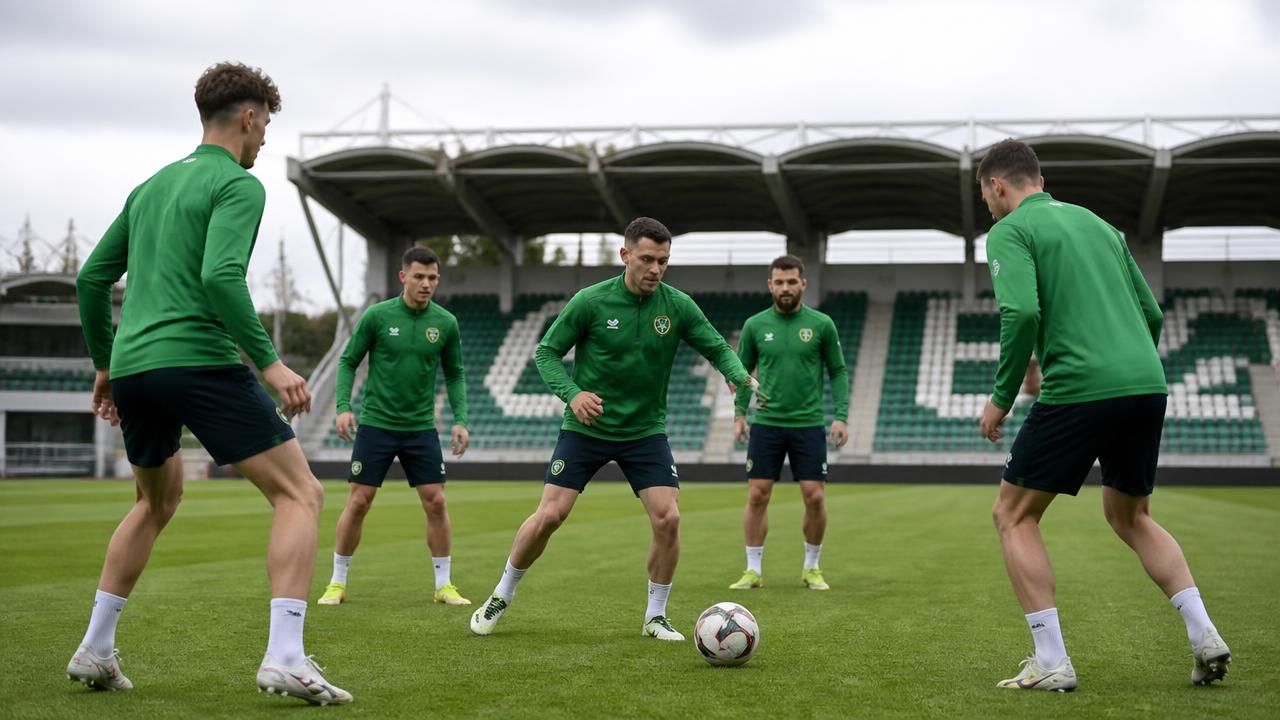
The Republic of Ireland will face Israel in a UEFA Nations League fixture in Hungary after the squad voted to fulfill the controversial matches, team officials have confirmed. The pre-match news conference, initially postponed and then delayed, has been rescheduled for 14:30 BST on the eve of the game.
The fixture has become a political flashpoint, with campaigners calling on the Irish team to boycott the match because of Israel’s military campaign in Gaza. The decision to play follows an internal player vote, according to reports from MSN, which said the Republic of Ireland players voted to fulfill the Nations League matches against Israel. The team subsequently confirmed that the game will go ahead.
BBC World reported that the rescheduled news conference will take place at 14:30 BST before the fixture in Hungary. Radio Kerry had earlier reported that the pre-match press conference was postponed, while MSN described it as delayed. The sequence of announcements added to the uncertainty surrounding the build-up, with journalists and supporters awaiting clarity on whether the fixture would proceed.
BBC World reported: “The Republic of Ireland will now hold their delayed news conference at 14:30 BST before they face Israel in tomorrow’s Nations League fixture in Hungary – a fixture campaigners have called on them to boycott.”
A vote to play
According to MSN, the Irish players voted to fulfill the Nations League fixtures against Israel. The vote resolved a period of speculation over whether the squad would take a collective stand and refuse to play. The players’ decision means the match will go ahead as scheduled, though the political and ethical debate is far from over.
The controversy stems from Israel’s ongoing military operations in Gaza, which have drawn widespread international criticism and prompted pro-Palestinian groups to urge sporting boycotts. Campaigners argue that playing Israel legitimizes its actions and that football should not be exempt from accountability. They have specifically called on the Republic of Ireland to boycott the fixture.
Those opposing a boycott argue that sport should remain separate from politics, and that refusing to play could expose the team to disciplinary action from UEFA. Under UEFA rules, a team that refuses to fulfill a fixture can face sanctions, including forfeiture of the match, fines, and potential exclusion from future competitions. The players’ vote therefore balanced moral protest against sporting and institutional consequences.
Framing the story
Coverage of the controversy has varied by outlet. BBC World led on the rescheduled news conference, framing the story around the logistical uncertainty and the campaigners’ boycott call. MSN’s reports centered on the player vote, presenting the decision as a resolution to the impasse and emphasizing that the game will go ahead. Radio Kerry, a local Irish outlet, highlighted the postponement of the pre-match press conference, reflecting domestic interest in the disruption.
The different emphases illustrate how the same event can be framed as a logistical story, a democratic decision by players, or a political controversy. For Irish supporters, the debate has been deeply divisive. Some fans and activists have urged the team to stand with Palestinians, while others have argued that the players should not be forced to carry political burdens and that a boycott would unfairly penalize the team.
What happens next
The match is due to be played in Hungary, a neutral venue. Israel has used Hungary for home fixtures in recent competitions because of security and logistical constraints. The location means the game will be played far from both Ireland and Israel, but the political context will follow the teams onto the pitch.
The rescheduled news conference at 14:30 BST will be the first formal opportunity for the team and management to address the decision publicly. Questions are likely to focus on the player vote, the campaigners’ demands, and whether the squad considered a boycott before opting to play. The answers may shape how the controversy is remembered.
For now, the Republic of Ireland have confirmed they will fulfill the fixture. The game will go ahead, but the debate over sport, politics, and protest is unlikely to end when the final whistle blows.