Tesla's Shanghai factory just posted its best June ever, producing 93,579 vehicles according to the China Passenger Car Association (CPCA) — a 38% year-over-year jump. But the celebratory figure conceals a deepening problem: Chinese buyers are increasingly shunning the Model 3 and Model Y, forcing Tesla to rely on exports to keep its most productive plant humming. The paradox underscores a pivotal moment for the automaker, which has seen its domestic sales decline quarter over quarter for more than a year, even as it ships over half of its China-built cars to Europe, Canada, and other Asian markets.
"China is Tesla's cash cow, but for how much longer?" Ars Technica asked recently, summarizing the anxiety rippling through investor circles. The answer may determine whether Tesla can maintain its once-unassailable lead in the global EV race.
Shanghai: Export Hub Amid Domestic Slump
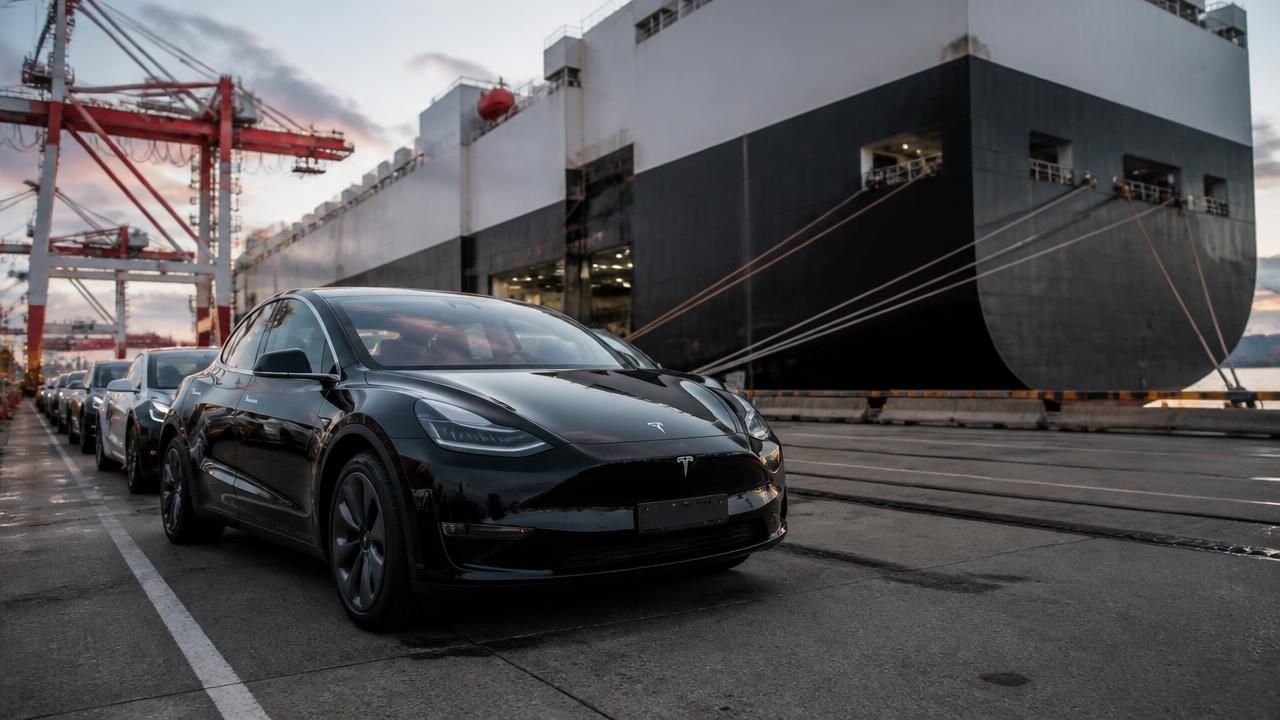
The numbers from CPCA paint a stark picture. In June alone, nearly 40% of Tesla's Shanghai output was destined for export. For the second quarter, exports (128,394 vehicles) barely edged out domestic Chinese sales (126,157). This export-heavy strategy is rational: Shanghai enjoys low labor costs, a mature local supply chain, and export tax rebates from the Chinese government. Yet it also exposes Tesla's vulnerability in its second-largest market.
Meanwhile, Chinese consumers have moved on. The Model 3, once a status symbol, now faces a tidal wave of cheaper, tech-packed rivals from BYD, Xiaomi, Nio, and Geely. As The Wall Street Journal noted, China has transformed from a cash cow for Western companies into a "test lab" — a hyper-competitive arena where survival demands constant innovation and localized adaptation. Tesla's response has been aggressive pricing and financing sweeteners: it recently introduced three-year, zero-interest loans for the Model Y in China, followed by a five-year zero-interest offer just three months later — an unprecedented concession in a market where brands like BYD are already undercutting Tesla on price.
The Rise of China's EV Champions
BYD, Tesla's most formidable rival, officially dethroned it as the world's bestselling EV maker last year, a headline that reverberated from Shanghai to Wall Street. The Chinese giant isn't just selling more cars; it's also making more money. CleanTechnica reported that four Chinese automakers — BYD, Li Auto, XPeng, and Seres — now boast higher gross profit margins than Tesla. That's a seismic shift from the era when Tesla's 20%+ margins were the envy of the industry.
Even newcomers like Xiaomi, better known for smartphones, are turning profits on EVs faster than legacy automakers ever managed. Xiaomi's SU7 sedan has become a phenomenon, and its ability to generate margins early in its lifecycle highlights how deeply entrenched China's EV supply chain and software ecosystem have become. As one analyst put it, "China's EV companies aren't just making great cars. They're making money."
Financial Pressures and Incentives
Tesla's financials reflect the mounting pressure. The company's earnings fell 17% in the most recent quarter, while inventory has swelled to record levels — a sign that supply is outstripping demand even with aggressive price cuts. Investors have soured on the stock, which has lost significant value from its 2021 peak. Some analysts dismiss Tesla's market capitalization as "simple greed and fantasy," arguing that the core automotive business cannot support such lofty valuations without a breakthrough in robotaxis or artificial intelligence.
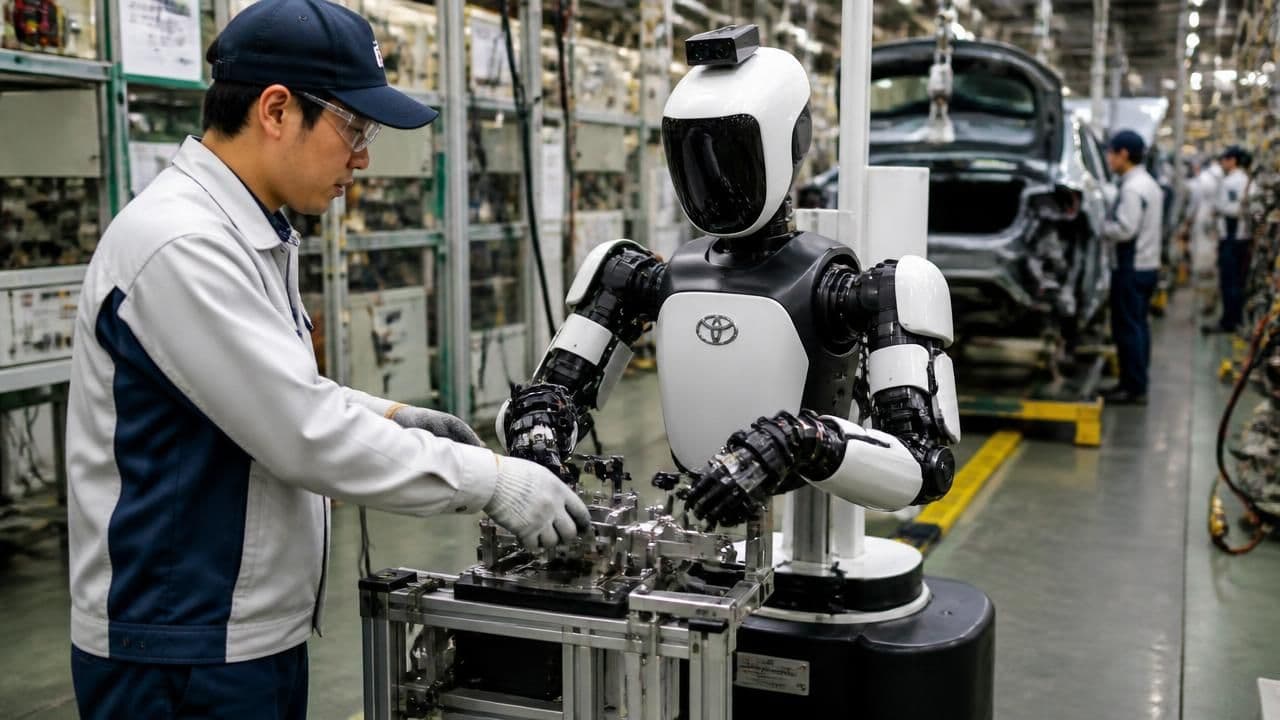
Musk himself has acknowledged the need for a new narrative. He has repeatedly claimed that Optimus robots could eventually account for "about 80% of Tesla's value," a statement that moves the goalposts from cars to humanoid robotics. Meanwhile, the much-delayed Full Self-Driving (FSD) software is finally rolling out in China, a move that Reuters calls critical for Tesla's future in the country. Regulatory approval and customer acceptance in China's complex driving environment could either open a new revenue stream or become another costly setback.
Pivoting to Software and New Models
Tesla is also preparing a smaller, more affordable electric car, according to CleanTechnica, and is reportedly scouting locations for new factories in Mexico, India, and the Netherlands — a global expansion plan that could eventually push production to 4 million cars annually. These projects signal that Tesla is not retreating from the EV war, but it is changing its arsenal: more nimble products, localized manufacturing, and a heavy bet on software-defined vehicles.
Yet the road ahead is fraught. In Europe, EV sales jumped 39% and battery-electric vehicles reached 24% market share, providing a tailwind for Tesla's imports. But the US-China trade war and looming tariffs threaten the export economics that make Shanghai profitable. The Centre for European Reform warns that Western industry must prepare for a "second China shock," as Chinese EVs flood global markets with advanced technology at lower prices.
Market Perspectives and the Road Ahead
There is no shortage of competing narratives. Bulls see Tesla as an AI and robotics company temporarily masked as an automaker; bears see a once-disruptive innovator losing its edge to nimbler Chinese competitors. The Wall Street Journal frames the shift as a broader lesson: China is no longer a place to sell, but a place to learn and stress-test products. Tesla's success in exporting cars from Shanghai proves the factory's efficiency, but it also proves that Chinese consumers have become the most demanding EV customers in the world — and they are finding Tesla increasingly easy to ignore.
As Tesla navigates this high-stakes transition, one thing is certain: the era of easy growth in China is over. The company that once defined the EV revolution must now decide whether to double down on its original market or accelerate its transformation into a global technology powerhouse. The answer will shape not just Tesla's future, but the trajectory of the entire automotive industry.
- Tesla produced 93,579 vehicles in Shanghai in June, a 38% year-over-year increase.
- Exports made up 40% of June output; Q2 exports (128,394) slightly exceeded domestic China sales (126,157).
- Earnings fell 17% in the latest quarter; Tesla sits on record inventory.
- BYD surpassed Tesla as the world's bestselling EV maker; four Chinese automakers have higher gross margins than Tesla.
- Tesla now offers zero-interest financing for up to five years on Model Y in China.
- FSD rollout in China, a smaller car, and new factories in Mexico, India, and the Netherlands are key strategic moves.