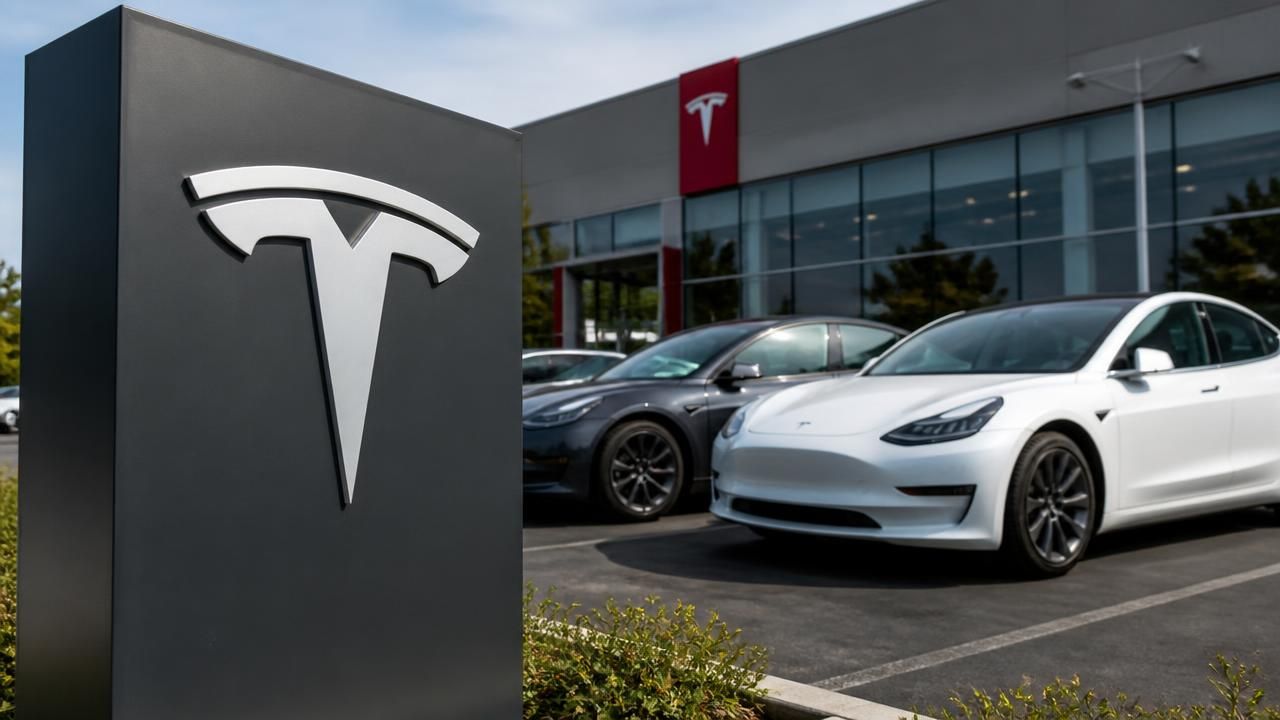
The National Highway Traffic Safety Administration (NHTSA) has opened a preliminary investigation into nearly 1.2 million Tesla vehicles over reports of suspension failures that could cause "a loss of vehicle directional control," according to a filing from the agency's Office of Defects Investigation. The probe covers the 2018–2020 Model 3 and 2021–2023 Model Y, expanding an earlier review and deepening regulatory pressure on Tesla's engineering and customer service practices.
What the New Investigation Covers
According to the NHTSA filing, the agency received 156 complaints involving "the detachment of the front lower lateral link." In most cases, the failure occurred with no advance warning, though some owners reported noises prior to the incident. The alleged defect could cause a sudden loss of steering control, elevating the risk of crashes. The investigation is classified as a preliminary evaluation, the first step before a possible recall demand.
This is not Tesla's first suspension-related scrutiny. Reuters previously reported on the issue, and the new NHTSA action follows years of complaints about Model 3 and Model Y suspension components. As MSN notes, unlike software-related fixes, a suspension hardware fix could "dwarf software costs" for Tesla, potentially involving physical replacement of parts across a million-plus vehicles.
A Pattern of Escalating Safety Probes
The suspension investigation is one of several active NHTSA inquiries into Tesla vehicles. In recent months, regulators have also:
- Deepened a probe into power steering loss in certain Tesla models (Reuters).
- Investigated the Autopilot recall fix to determine whether it adequately addresses safety concerns (Consumer Reports).
- Opened an investigation into driver assistance software in 2.9 million vehicles over potential traffic violations (Reuters).
- Examined Tesla's remote driving feature for up to 2.6 million vehicles (Reuters).
- Closed a 2022 probe into unexpected braking in 695,000 vehicles, but only after a lengthy review (CNBC).
Beyond mechanical and software issues, NHTSA is also weighing new car door rules following a series of fiery Tesla crashes, as USA Today and The Verge reported. Tesla's door handles and power-operated doors have been criticized for potentially trapping occupants after severe collisions. Regulators are considering whether to impose tougher federal standards affecting all automakers.
Owners and Litigation
The scrutiny extends to the courtroom. A report by Reuters titled "Tesla blamed drivers for failures of parts it long knew were defective" highlighted internal communications suggesting Tesla was aware of component deficiencies yet attributed failures to driver abuse. Legal analysts say such patterns could expose Tesla to enhanced liability. Law firm websites already outline "Defective Tesla lawsuits" and what owners should know in 2026, signaling rising consumer litigation.
"In most cases reviewed by the NHTSA, failure occurred with no advance warning, but some cite noises occurring prior to the ..." — NHTSA Office of Defects Investigation filing
How Automakers and Regulators Respond
The broader automotive industry is watching closely. In a related example, Nissan recently avoided a massive 2-million-vehicle recall, demonstrating how automakers can preempt regulatory action through technical service bulletins or extended warranties. Tesla, by contrast, has often resisted recalls, arguing that issues are not safety defects. That stance is becoming harder to sustain as NHTSA accumulates evidence.
Regulatory experts note that the NHTSA's willingness to open multiple investigations simultaneously — covering suspension, steering, braking, doors, and driver-assist systems — signals a more aggressive posture toward Tesla than toward traditional automakers. It also reflects the increasing complexity of modern vehicles, where software and hardware are tightly integrated.
What This Means for Tesla Owners and Buyers
For current owners, the investigation does not immediately require action. Owners experiencing suspension noises or steering anomalies should contact Tesla Service and file a complaint with NHTSA. If a recall is ultimately issued, affected vehicles would receive repairs free of charge. For prospective buyers, the cumulative safety scrutiny may influence purchase decisions, though Tesla's sales remain strong in many markets.
From a financial standpoint, a hardware recall could be significant. Analysts quoted by MSN point out that replacing suspension links on over a million vehicles could cost hundreds of millions of dollars. Combined with potential legal settlements and increased warranty costs, this adds a new layer of uncertainty for Tesla as it navigates price cuts, competitive pressure, and CEO Elon Musk's other business ventures.
The Road Ahead
The preliminary investigation has no fixed timeline. NHTSA will gather data from Tesla, analyze field reports, and decide whether to upgrade to an engineering analysis — a precursor to a recall. Meanwhile, Tesla faces parallel scrutiny from other regulators and the courts. The outcome could reshape not only Tesla's reputation for safety but also the regulatory landscape for EV manufacturers that push cutting-edge technology ahead of traditional validation processes.
In the coming months, all eyes will be on NHTSA's next steps and any additional complaints from drivers. As the agency itself notes, the goal is simple: ensure that a vehicle's suspension — and every other safety-critical component — performs reliably under real-world conditions.