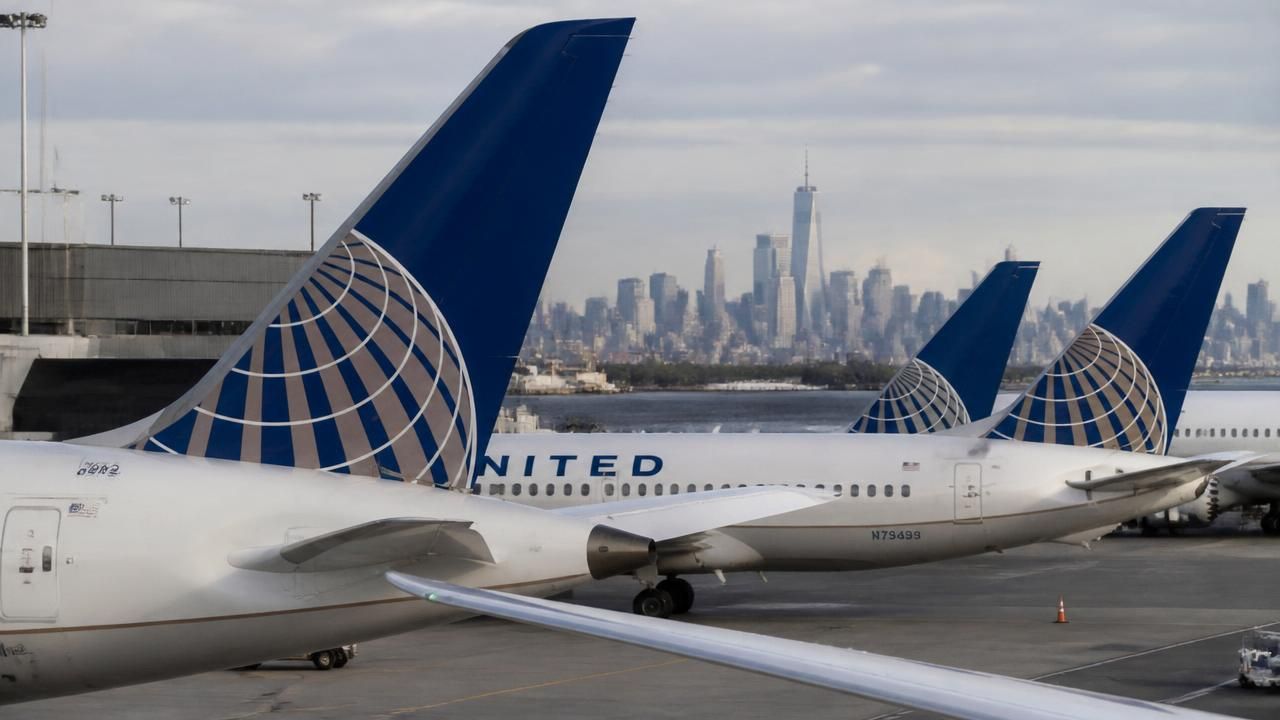
United Airlines has drawn a line in the digital tarmac: autonomous AI agents may look at flights, but they may not book them. The Chicago-based carrier has told partners and the traveling public that it will not accept reservations completed by third-party AI assistants acting on a customer's behalf, according to reporting by The Wall Street Journal and confirmed in coverage by The Verge, CBS News, AirlineGeeks and others.
The policy applies to so-called agentic tools — systems built on models like those behind OpenAI's Operator or a growing crop of travel-focused shopping bots — that can navigate a website, fill in forms and complete a transaction without a human touching the keyboard. United's answer, for now, is no.
What United Is Actually Restricting
The distinction matters. United is not blocking AI from air travel; it is blocking AI from finishing the purchase. Agents can still surface United fares, compare schedules and hand a traveler off to the airline's own booking flow. What they cannot do is execute the transaction end-to-end.
That gap — between research and execution — is where the entire consumer-agent economy is currently stuck, and where airlines, retailers and payment processors are all quietly drawing their own boundaries.
Privacy, Liability and the Hazmat Problem
United's stated reasons fall into two buckets. The first is privacy: an agent with access to a traveler's credentials, loyalty number, payment card and travel history is a concentrated point of exposure. A misconfigured or malicious agent could leak or misuse that data in ways the customer never anticipated.
The second is liability — and this is where airlines are genuinely different from the average e-commerce site. Booking a flight is not buying a pair of shoes. It involves federally mandated disclosures, identity verification, and a series of safety attestations that passengers must personally confirm.
United's concern is less about volume than about control: an agent acting on a customer's behalf could expose personal data, complete a purchase the traveler never intended, or bypass disclosures that regulators require airlines to collect directly from passengers.
Chief among those is the hazardous-materials question — the checkbox in which a traveler attests that their baggage does not contain explosives, lithium battery packs in prohibited configurations or other restricted items. It is a legal declaration, not a formality, and carriers are obligated to obtain it from the passenger. An autonomous agent clicking through that screen raises an uncomfortable question: who, exactly, has attested?
The same applies to fare-rule disclosures, change and cancellation policies, and the Department of Transportation's full-fare advertising requirements. Airlines face enforcement risk if those disclosures are not properly presented and acknowledged.
A Trend, or a Counter-Trend?
Coverage of the decision diverged sharply on how to frame it. Trade and consumer-tech outlets — The Verge, AirlineGeeks — treated it as a considered risk-management stance from a major carrier. Several aggregator and business outlets went the other way, casting United as an outlier: "United Airlines Blocks AI Agents From Booking Flights — Bucking A Growing Trend."
Both readings have merit. On one hand, the broader tech industry is racing toward agentic checkout. OpenAI, Google, Perplexity and a cluster of startups have spent the past two years building assistants that browse, compare and buy. On the other hand, the actual transaction volume remains tiny. United told the Journal it has not yet seen meaningful numbers of customers attempting agent-driven bookings — an observation echoed by other consumer businesses, including DoorDash, which has reported similarly negligible traffic.
In other words, United may not be fighting a wave so much as writing rules before one arrives.
- For travelers: AI can still plan and price a trip, but the final click stays human — at least on United.
- For agent developers: travel, with its identity checks and regulatory disclosures, is emerging as one of the hardest verticals to automate end-to-end.
- For the industry: expect other carriers to publish their own policies rather than wait for a federal standard that does not yet exist.
The Regulatory Vacuum
There is no settled US framework governing who is liable when an AI agent executes a purchase on a consumer's behalf — whether the agent counts as the consumer, the vendor, or something new. Until there is, companies are defaulting to the most conservative reading of existing rules, and airlines have more rules than most.
United's move is therefore less a rejection of AI than a refusal to absorb regulatory risk it cannot price. The airline has not said the ban is permanent, and the calculus could shift if agents gain verifiable identity standards, auditable consent trails and insurer-backed liability.
For now, the message to the agent economy is blunt: bots can window-shop the friendly skies. The boarding pass still requires a person.