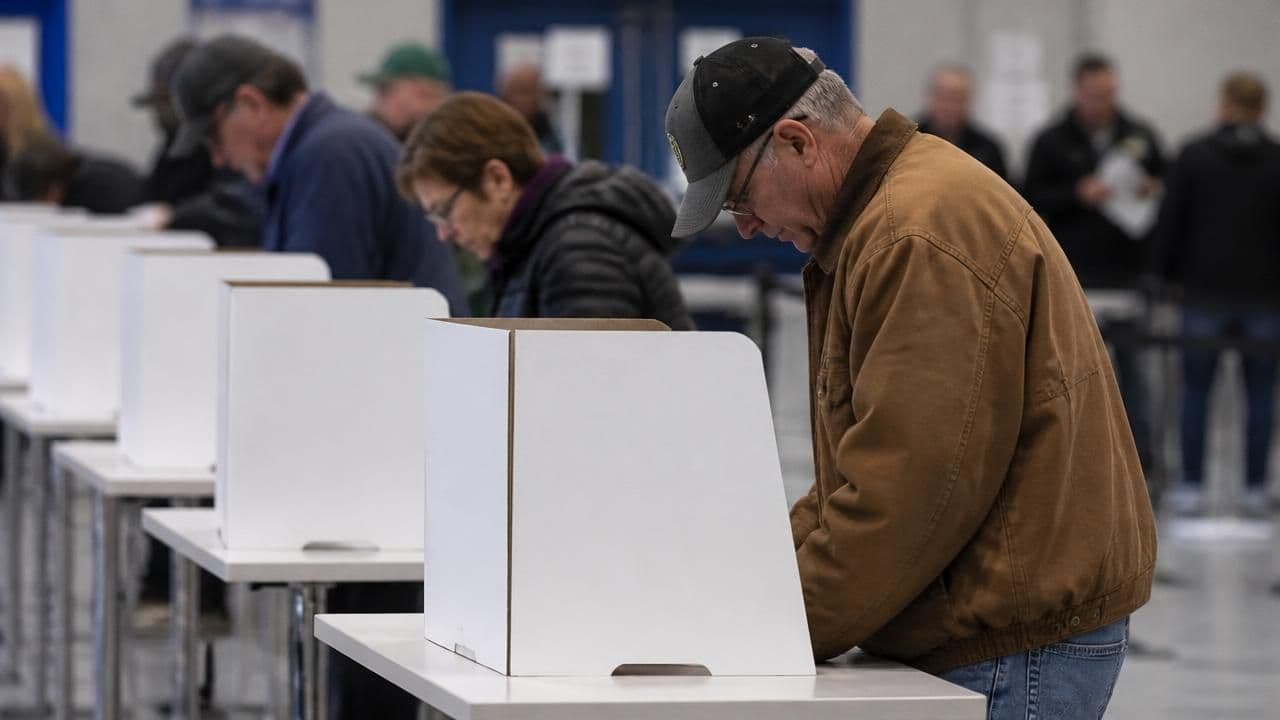
As the 2026 midterm elections approach, the battle for control of Congress is intensifying, with a shifting Senate map, competitive House races, and redistricting battles reshaping the political landscape. With only a few primary elections remaining, both Democrats and Republicans are scrambling to secure their positions in what promises to be a closely contested fight for the majority.
The Senate: A Narrow Path for Democrats
For Democrats to take control of the U.S. Senate, they must flip four seats currently held by Republicans. According to NPR, the competitive Senate map keeps shifting as the primaries progress. Republicans, meanwhile, are playing defense, with pickup opportunities becoming harder to find. Axios reports a growing fear within the GOP of losing the Senate in November, noting that internal polling shows several vulnerable incumbents struggling.
Sabato's Crystal Ball at the University of Virginia Center for Politics provides detailed analysis, highlighting that while the overall race for the majority is not a toss-up, the individual races that will decide it certainly are. In one notable rating change, Maine moved from 'Leans Republican' to 'Toss-up,' reflecting the fluid dynamics. NBC News identifies 10 Senate races that will determine the balance of power, with key contests in states like Ohio, Pennsylvania, and Arizona.
Politico's analysis underscores that Republicans have a favorable map but are not immune to challenges. The outlet's five key questions about the midterms point to the importance of candidate quality, turnout, and the national environment. Meanwhile, Roll Call outlines six key questions, including how redistricting and the Supreme Court's recent decision on racial gerrymandering will affect outcomes.
'The race for the Senate majority is not a toss-up, but the races that will decide it are,' remarked Kyle Kondik of Sabato's Crystal Ball.
The House: A Battle for Every Seat
In the House, control is similarly up for grabs. Roll Call lists the 10 most vulnerable House members a year out from the elections, with many incumbents in districts that were won by the opposing party's presidential candidate in 2024. The Brookings Institution notes that a Supreme Court decision on redistricting has altered the midterm outlook, potentially giving Democrats a slight advantage in some states.
Redistricting remains a major factor. Sabato's Crystal Ball provides a series of analyses, including a look at Utah's new map, which could create two new swing seats, and a Virginia redistricting vote that offers clues for 2027. The Atlantic argues that party primaries must go, citing the polarizing effect of low-turnout primaries that produce extreme candidates. Conversely, an op-ed on Substack contends that 'open the primaries' is the wrong answer to the right question.
Primaries themselves are revealing intraparty tensions. NBC News reports that incumbents are at risk as the first primaries get underway, with more Democrats facing well-funded primary challengers as the party reckons with its future. In Illinois, Juliana Stratton's bruising Senate primary victory on the Democratic side drew national attention. Decision Desk HQ highlights 16 races to watch in Indiana and Ohio, where primaries are shaping the general election landscape.
Redistricting and Its Discontents
Redistricting continues to be a contentious process. The Indiana Capital Chronicle notes that as the Indiana Senate begins its redistricting turn, some Republicans remain mum about their plans. In Tennessee, a special redistricting session produced clear winners and losers, as reported by the Tennessean. Sabato's Crystal Ball's series on redistricting covers the Northeast and Mid-Atlantic, while a separate piece checks in at the dawn of the Callais era, referencing a key court case.
Several local outlets report on the ground-level impact. The Arizona Capitol Times covers fierce competition in legislative primaries ahead of July. Greenville Online notes high voter turnout in South Carolina attributed to redistricting and competitive races. Conversely, WBUR reports that Massachusetts voters face the least competitive legislative landscape, with most seats effectively decided in the primary.
Broader Implications and Strategy
The Trump White House's early 2026 midterm strategy, as reported by NBC News, involves a focus on economic messaging and immigration, while trying to avoid overreach. The president's approval ratings will likely be a key factor. Politico notes that both parties are watching the 'swing' states closely, and the overall electoral accountability outlook suggests that voters are paying attention to performance and governance.
As the 2026 calendar unfolds, Roll Call provides a comprehensive congressional midterm calendar by state, reminding voters of key dates. The New York Times offers a tracking tool for competitive races, while CNN provides a big takeaway from Texas, where both parties see opportunities and risks.
Conclusion
The 2026 midterm elections are shaping up to be a high-stakes battle for control of Congress, with a fluid Senate map, a highly competitive House, and redistricting battles that could tip the balance. With primary season more than halfway through, the emerging narratives from key states and districts will continue to evolve. As Sabato's Crystal Ball puts it, 'It don't mean a thing if it ain't got that swing'—and the swing this cycle may well decide the future of American politics for years to come.