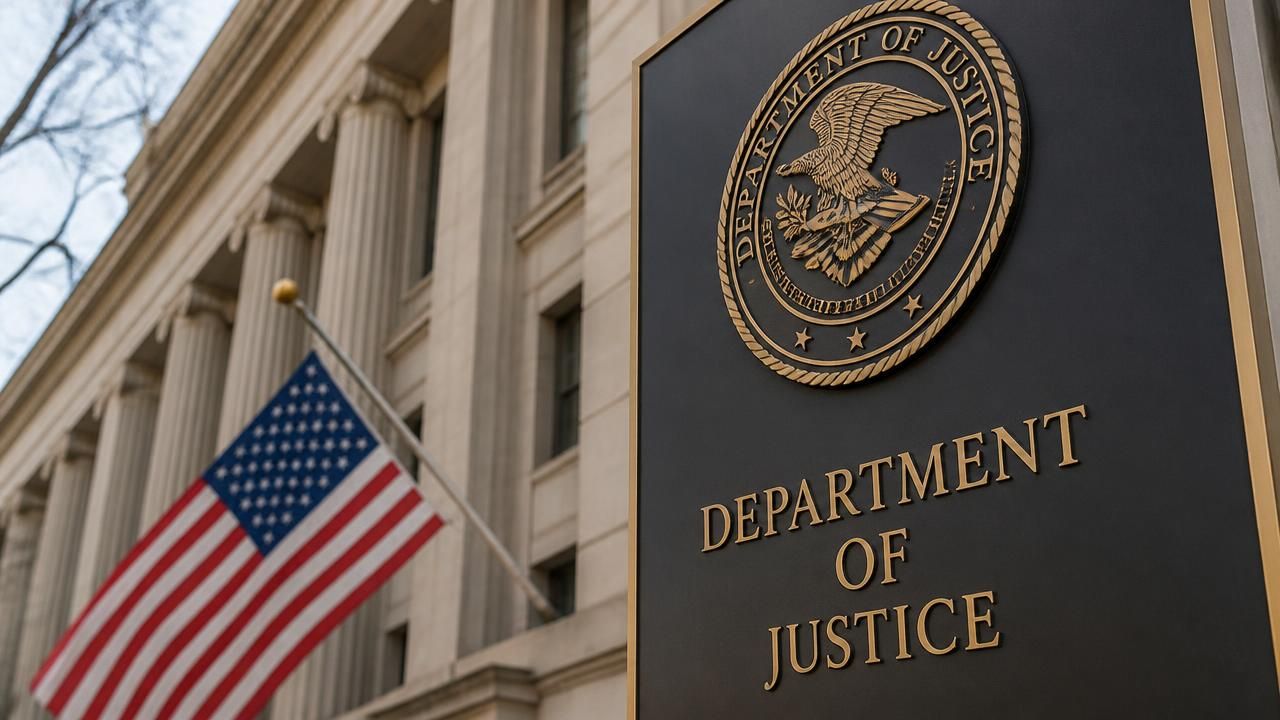
The U.S. Department of Justice has charged 28 people in California with voting-related crimes and simultaneously asked a federal court for an emergency order to stop the state from processing ballots returned by individuals the federal government describes as "likely noncitizens," according to reports from NPR, The New York Times and MSN. The twin actions — a criminal roundup and an urgent civil filing — mark one of the most direct federal interventions into state election administration in recent memory and land amid already elevated tensions over the integrity of the midterm elections.
What the Justice Department Did
According to NPR Politics, the charges against the 28 individuals in California were announced alongside an emergency request in federal court. That request seeks to bar California election officials from counting or otherwise processing ballots returned by voters whom federal authorities have flagged as "likely noncitizens" — a designation that, on its face, suggests the government believes noncitizens remain on the state's voter rolls even though noncitizens are barred from voting in federal elections.
Reporting carried by MSN and other aggregators framed the announcement differently, emphasizing that among those facing federal charges are 11 foreign nationals accused of illegally registering to vote and casting ballots in U.S. elections. The discrepancy in headline framing — 28 total defendants in California versus 11 foreign nationals — reflects how different outlets have foregrounded different elements of what appears to be a broader, multi-part enforcement action. Some reports did not specify whether the 11 foreign nationals are a subset of the 28 Californians or a separate group charged in connection with the same investigation.
An 'Aggressive' Posture Toward the Midterms
The Pennsylvania-based outlet Cumberlink reported that the Justice Department said it will take "aggressive actions" to secure the midterm elections. That language — unusual for a department that has historically framed its election work in terms of protecting access as well as preventing fraud — signals a deliberate shift in public messaging. The department appears to be pairing traditional prosecutorial work with high-profile, pre-election litigation aimed at state election practices it considers vulnerable to fraud.
"The DOJ also filed an emergency request in federal court to stop California from processing ballots returned by people on the voter rolls the federal government says are 'likely noncitizens.'" — NPR Politics
The emergency filing is the more consequential of the two moves, at least in the short term. Criminal charges against individuals, while serious, affect a handful of voters. A court order governing how a state of nearly 40 million people processes returned ballots could affect thousands — and, if granted, would almost certainly be litigated on an expedited basis as Election Day approaches.
Context: A Long Fight Over Voter Rolls
Federal involvement in state voter-list maintenance is not new. The National Voter Registration Act of 1993 set rules for how states may purge voter rolls, including a prohibition on removing voters within 90 days of a federal election. The 2002 Help America Vote Act created statewide voter registration databases and required applicants to provide driver's license numbers or the last four digits of their Social Security numbers — provisions that were intended, in part, to screen out ineligible registrants. The 2005 REAL ID Act and subsequent federal immigration databases have also been used, in some states, to cross-check citizenship status.
What is unusual here is the mechanism: rather than notifying a state of apparent errors and allowing it to act, the department is asking a federal judge to intervene directly in ballot processing. Election law experts have long warned that citizenship-status matching is error-prone, because naturalization records are updated inconsistently and because databases may lag behind individuals who were naturalized years ago. A voter wrongly flagged as a noncitizen could have their lawful ballot set aside — the precise scenario that voting-rights advocates say the 90-day rule was designed to prevent.
How the Story Is Being Framed
- NPR Politics emphasizes escalation: the story is about federal pressure on a state's election machinery at a moment of high tension, with the emergency filing as the lede.
- The New York Times leads with the raw number — 28 charged — treating the case as a discrete law-enforcement development in California. (Full text was not accessible in the source material provided.)
- MSN aggregations split into two framings: one echoing the 28-defendant headline, the other foregrounding the 11 foreign nationals and the immigration angle.
- Cumberlink focuses on the department's stated intent — "aggressive actions" to secure the midterms — suggesting a national posture rather than a single-state case.
Why It Matters
The political stakes are considerable. California is the nation's most populous state and a reliable Democratic stronghold; a federal court order reshaping how its ballots are counted would be read by many as a partisan intervention, whatever the department's stated rationale. Conversely, officials who have long argued that voter rolls contain ineligible registrants will see the charges as vindication.
Several key questions remain unanswered in the reporting so far: What specific statutes are the 28 charged under? Have any made initial court appearances? What evidence supports the "likely noncitizen" designation, and how many ballots are at issue? Has California's secretary of state responded, and will the state fight the emergency request? And critically — how quickly can a federal judge rule before ballots must be certified?
For now, the department's dual actions have transformed a routine enforcement announcement into a test of how far federal authority reaches into the mechanics of a state's election. With midterm voting already under way in many jurisdictions, the legal clock — not just the political one — is now running.