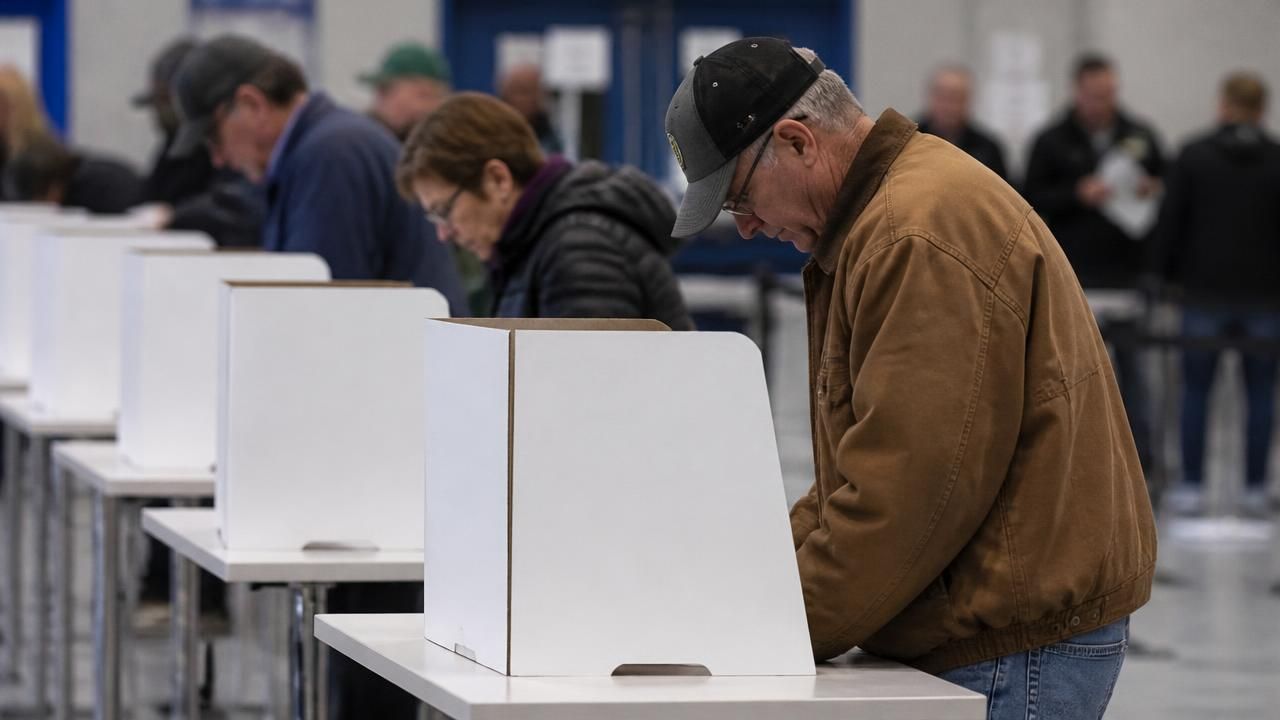
Voters in Alberta overwhelmingly rejected a proposal to move toward independence from Canada, according to early results from a provincial referendum, delivering a major victory to Prime Minister Mark Carney and to Canadian national unity — while separatist organizers insisted their campaign is far from over.
What Happened
The referendum, held Monday and reported through the night into Tuesday, asked Albertans whether the province should pursue a path toward separation from Confederation. Multiple outlets — including CBC News, the Canadian Press and international broadcasters — projected that the "remain" side would win decisively, with the question defeated by a wide margin. Final turnout and percentage figures were still being tallied as results continued to arrive.
The vote was widely framed as a historic test of Canadian cohesion in a country that has not faced a serious secession threat since Quebec's 1995 referendum, which separatists lost by a razor-thin 50.6 to 49.4 per cent. Unlike that vote, Alberta's result was never expected to be close; the question was the size of the margin, and whether a strong showing would give the separatist movement institutional momentum.
Ballots also included nine additional questions alongside the central independence question. Alberta NDP Leader Naheed Nenshi urged voters to reject those ancillary questions and to vote to remain, arguing that the extras were designed to muddy the result and manufacture a sense of mandate for a fringe cause.
Carney Claims a "Clear Choice"
The Prime Minister welcomed the outcome, casting it as Albertans choosing country over division. According to Outlook India, Carney described the result as a "clear choice" by voters to remain part of Canada. The win provides a significant political boost for Carney, who has made national unity and sovereignty central themes of his government's messaging.
"The vote is a clear choice" by Albertans to stay in Canada, Prime Minister Mark Carney said, framing the result as a rejection of those who would break the country apart.
Carney went further in comments reported by The Hans India, alleging that the United States is actively trying to break Canada. The remark reflects Ottawa's broader anxiety about economic and political pressure from its southern neighbor, and signals that the government intends to use the referendum outcome as a springboard for a sovereignty argument aimed squarely at Washington.
Why Alberta, and Why Now
Alberta's separatist sentiment — often branded "Wexit" after Brexit — has simmered for years, fed by a mix of grievances: frustration with federal environmental and energy policies, perceived inequities in the equalization payment system, complaints that the province's oil and gas wealth subsidizes the rest of the country, and a sense that Ottawa has blocked pipeline expansion at Alberta's expense.
The province is Canada's principal oil producer and a pillar of the national economy, which is why the vote drew coverage from the Financial Times, the New York Times and the Guardian alongside Canadian outlets. Investors and energy analysts watched closely for any signal of prolonged political instability in a jurisdiction central to North American crude supply.
Yet the referendum also drew heavy skepticism. The Globe and Mail's editorial board published a pointed warning — "Don't buy it when the separatists say the referendum is about leverage" — arguing that organizers would recast any defeat as a negotiating tactic rather than an honest reckoning with the result. Critics contended that a province-wide vote on leaving a G7 nation was a disproportionate response to policy disagreements that are normally settled at the ballot box between parties, not countries.
The Movement Says It Isn't Finished
Separatist leaders struck a defiant tone even before the scale of the loss was clear. Coverage from MSN and Bastille Post noted that organizers had said in advance they would "keep fighting" after the independence vote, and the Star reported that supporters were urged to "stay the course despite the outcome" of Monday's referendum — language that suggests the movement intends to contest future elections and keep the question alive.
That framing complicates the government's victory lap. A decisive defeat may weaken the practical case for separation, but it does not necessarily extinguish the underlying alienation. Political scientists have long noted that failed independence referendums can either settle a question for a generation — as Quebec's 1980 vote did for a time — or, as in 1995, leave a mobilized minority convinced the next attempt will succeed.
What the Different Outlets Emphasized
- Canadian outlets (Globe and Mail, National Post, Toronto Star) focused on the mechanics of the vote, the multiple ballot questions and the question of whether separatism survives the result.
- U.S. and international outlets (NPR, CBS, NBC/MSN, the Guardian, Financial Times, New York Times) framed the story around Canadian national unity and the political fortunes of Prime Minister Carney.
- Indian and global wires (Outlook India, The Hans India) foregrounded Carney's comments about the United States seeking to break Canada.
What Comes Next
The immediate consequence is a strengthened hand for Carney, who can now argue that the country's unity has been tested and reaffirmed. Expect Ottawa to pair that mandate with renewed attention to Alberta's economic concerns — pipeline capacity, regulatory certainty and fiscal fairness — as a way of draining support from the separatist cause.
The longer-term question is whether Alberta's grievance politics recede or simply relocate. Separatist organizers have already signaled they will keep pressing, and the nine subsidiary questions on the ballot gave them additional platforms to build on. For now, though, the headline is unambiguous: Alberta voters, asked whether they wanted a path out of Canada, chose to stay.
Note: One source in the aggregated feed concerned an unrelated healthcare referendum in La Crosse, Wisconsin, and was not part of this story.