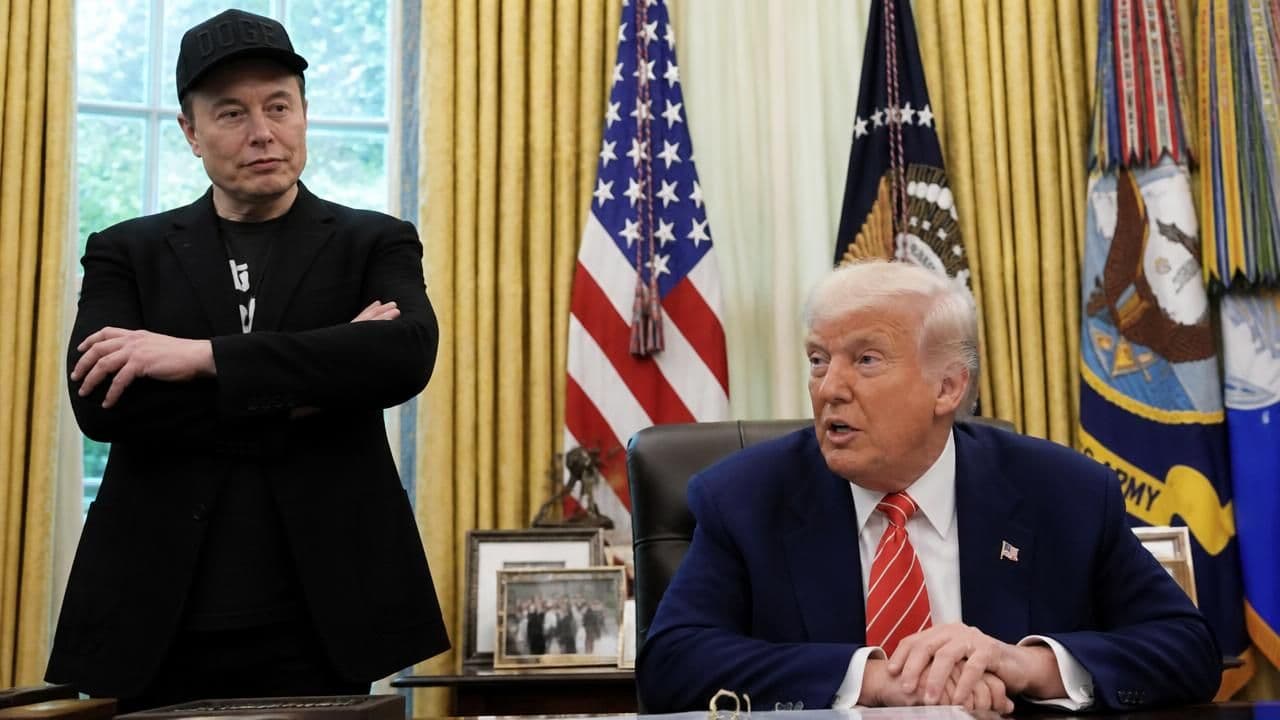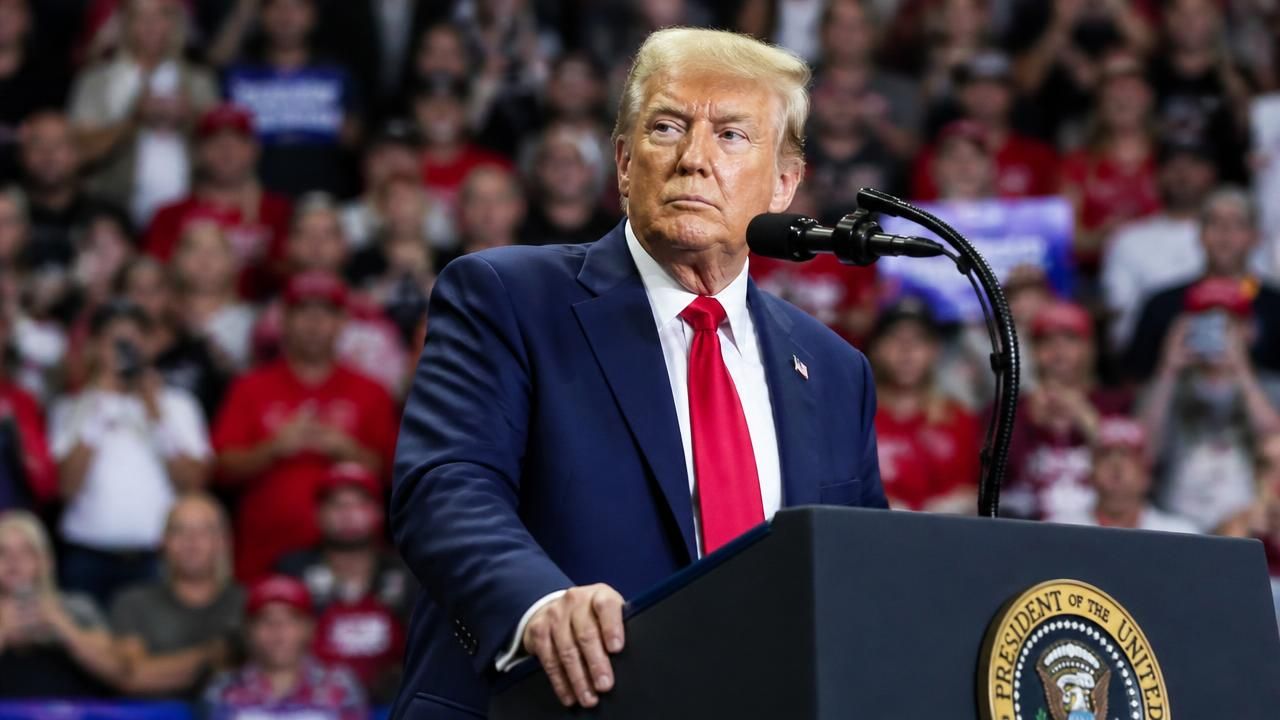
President Trump spent the final stretch of the midterm campaign doing what he does best: taking his record directly to voters in deeply friendly territory. But as Air Force One hopscotched across the country, the political story back in Washington kept intruding — and Republicans on the ballot began saying so out loud.
The president’s schedule has followed a strikingly red pattern, with stops concentrated in states and districts where his approval remains strongest. On the latest swing he campaigned in Kansas, while Vice President JD Vance carried the message to North Carolina, according to NBC News. USA Today reported additional stops in Ohio and Alaska, where Republicans are locked in tighter-than-expected races.
The White House correspondent traveling with the president framed the trip around a simple contrast: a president touting his record while, in the words of the New York Times, “political drama mounted in Washington.” A second Times account put it more bluntly — on the campaign trail, Trump was trying to “outrun a bad week in Washington.”
‘Little of It Was Constructive’
That framing is not confined to the press corps. Politico reported that Republican strategists and operatives were openly bemoaning a distracted president in the midterms’ final days, with one assessment summarizing the closing weeks as containing “little of it constructive.” The complaint is a familiar one in Washington: a president with an unmatched ability to dominate a news cycle can also dominate it at the worst possible moment for his own party’s candidates.
The anxiety is measurable. MSN’s aggregation of coverage captured a party “scrambling to stem midterm losses amid Trump’s declining popularity,” with “midterm anxiety mounting for the GOP as Democrats try to expand the battleground.” Translation: districts that once looked safe are now drawing money and attention from both sides.
“Little of it was constructive.” — Republican criticism of the president’s closing-stretch message, as reported by Politico
Pocketbook Politics: Cash, Healthcare and Diesel
If the message has drifted, the issues driving it have not. The Hill reported that Trump is turning to cash — hard-dollar fundraising and direct economic appeals — as healthcare concerns mount for incumbents. Few issues have proven more durable in recent cycles than the cost of care, and Democrats have signaled they intend to make it central to their closing argument.
The president’s answer has included executive action. MSN reported that Trump signed an order aimed at cutting diesel costs as prices hit $6.50 a gallon — a move designed to signal action on the cost of living, even as economists debate how much a president can do in the short term to move fuel markets. The politics, however, are immediate: diesel prices ripple through everything from grocery shelves to farm budgets, and rural, red-state voters feel them acutely.
A Party Split Over Its Own Candidates
Complicating the picture further, The Hill documented a phenomenon that would have been unthinkable a decade ago: a roster of Republicans publicly backing Democratic candidates in the midterms. The defections are small in number but outsized in symbolism, reinforcing the Democratic argument that this election is less a referendum on the opposition than a check on the president’s party.
Democrats, for their part, have moved to expand the map rather than simply defend it, pressing into suburban and exurban districts where Trump’s numbers have slipped. The strategy depends on converting anti-Trump sentiment into turnout — historically the hardest part of any midterm for the party out of power.
What the Different Outlets See
- The New York Times frames the story as a president seeking to escape Washington’s gravity, with the trip itself as the story.
- Politico reports the story from inside the GOP tent, where the frustration is with message discipline, not the map.
- NBC News and USA Today focus on logistics and geography — which candidates, which states, which tight races.
- MSN’s cluster of coverage emphasizes mood: anxiety, scrambling, declining popularity.
- The Hill zeroes in on policy and money: healthcare, cash, and the trickle of Republican endorsements of Democrats.
The Closing Argument
For all the noise, the underlying dynamic is straightforward. Midterms are almost always a verdict on the party holding the White House, and a president whose approval sits below water is a structural drag regardless of rally attendance. Trump’s advisers believe the president’s presence still energizes the base in the places where it matters most — hence the red-state itinerary — while Republican operatives in competitive districts quietly wish he would stay home.
The next few days will test which theory is right. If turnout in the president’s strongholds is high and Republicans hold their tight races in Ohio and Alaska, the rallies will be vindicated. If Democrats pick up seats in districts Trump carried, the recriminations inside the GOP — the ones already being voiced anonymously to Politico — will get considerably louder.
Note: Several source pages were inaccessible at the time of publication due to paywalls and bot-protection systems; reporting here draws on available headlines, summaries and published excerpts.