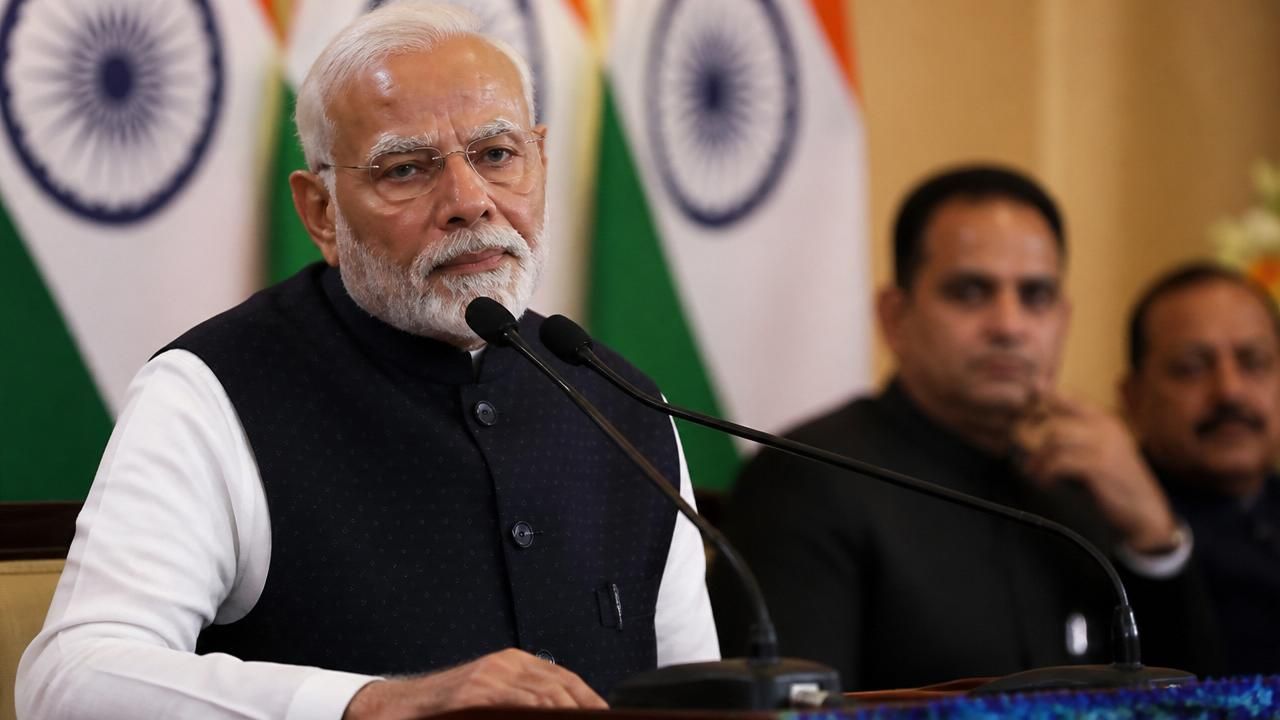
In a dramatic turn of events, Indian Prime Minister Narendra Modi, known for his unyielding leadership over the past 12 years, has been forced into a swift retreat by a student-led protest movement that emerged seemingly overnight. The concession, announced over the weekend, has galvanized opponents who have long struggled to challenge one of India’s most dominant political figures.
The Protest That Shook the Government
The protests erupted in response to the government’s ‘Agnipath’ military recruitment scheme, which aimed to recruit soldiers on short-term contracts with reduced pensions and benefits. Students across several states, particularly in the northern and eastern regions, took to the streets in large numbers, decrying the policy as a threat to job security and national security. The movement, initially fragmented, quickly coalesced into a coordinated force that caught the government off guard.
“For much of Narendra Modi’s 12 years ruling India, he’s looked nearly unbeatable at the polls. This weekend he swiftly yielded to a group that didn’t exist a few months ago,” reported Bloomberg Markets, highlighting the speed and scale of the reversal.
What Changed?
The government’s initial stance was firm, with Defense Minister Rajnath Singh defending the scheme as necessary to trim a burgeoning defense budget and modernize the armed forces. However, as protests intensified—including clashes with police, disruptions to rail services, and support from opposition parties—the administration began to signal flexibility. On Saturday, the Home Ministry announced a series of modifications, including extending the recruitment age limit and increasing compensation for those injured or killed in service. Notably, the government also agreed to review the scheme’s impact on long-term employment.
The movement, dubbed “Stop Agnipath” by its organizers, leveraged social media platforms to mobilize quickly, drawing in students, veterans, and ordinary citizens. Analysts note that this marks a rare instance where a grassroots youth movement has successfully pressured the Modi government to backtrack on a key policy.
Political Fallout
The concession has energized the opposition, which had been struggling to mount a credible challenge to Modi’s Bharatiya Janata Party (BJP). Congress leader Rahul Gandhi described the retreat as a “victory for the youth of India” and called for further rollbacks. Meanwhile, some BJP allies expressed unease, with one coalition partner warning of “deeper instability” if the government continues to alienate young voters.
Bloomberg reported that the event could reshape the narrative ahead of several state elections due later this year. “This is a puncture in the Modi aura,” said political scientist Neerja Chowdhury in an interview. “It shows that even the strongest leader can be dislodged if the people are united and vocal.”
Contrasting Perspectives
The coverage across international media reflects the story’s implications. While Bloomberg emphasized the political vulnerability of Modi, the Japan Times highlighted the “awakening” of a new generation of activists, framing the protests as a broader demand for accountability. The contrast underscores how different outlets weigh the domestic and global significance of the event.
“The students have shown that they are not just a demographic but a political force,” wrote an analyst for the Japan Times, who noted that the movement’s decentralized structure could inspire similar actions in other policy areas.
Economic Ramifications
The protests also have financial dimensions. India’s defense budget, one of the largest in the world, faces increasing scrutiny. The Agnipath scheme was partly aimed at reducing salary outlays, but the government’s retreat may now force a search for alternative savings. Market analysts suggest that the uncertainty could weigh on investor sentiment, though the long-term impact remains unclear. “Any sign of political instability—even a temporary one—tends to spook foreign investors,” said economist Rupa Subramanian. “But if the government handles this wisely, it could reinforce democratic resilience.”
The Reserve Bank of India has yet to comment, but bond yields dipped slightly on Monday amid cautious trading.
What Comes Next?
As the immediate crisis subsides, questions linger about the staying power of the youth movement. Will it expand to other issues, such as unemployment and education reform? Or will it dissipate now that its immediate demand has been met? Organizers have vowed to remain active, setting up a permanent platform for student advocacy. Meanwhile, the government is expected to face renewed scrutiny in the upcoming parliamentary session, where opposition parties plan to force a debate on the handling of the protests.
The episode marks a watershed moment in Indian politics, proving that even the most powerful leaders can be held accountable by a mobilized populace. As one protester in Delhi put it: “We have shown that we can make them listen. This is just the beginning.”
With state elections on the horizon, the BJP will be keen to avoid further alienating young voters, who constitute a significant portion of the electorate. The long-term implications for Modi’s governance style—often described as top-down and unapologetic—may be profound. Whether this signals a more responsive administration or a temporary tactical adjustment remains to be seen.