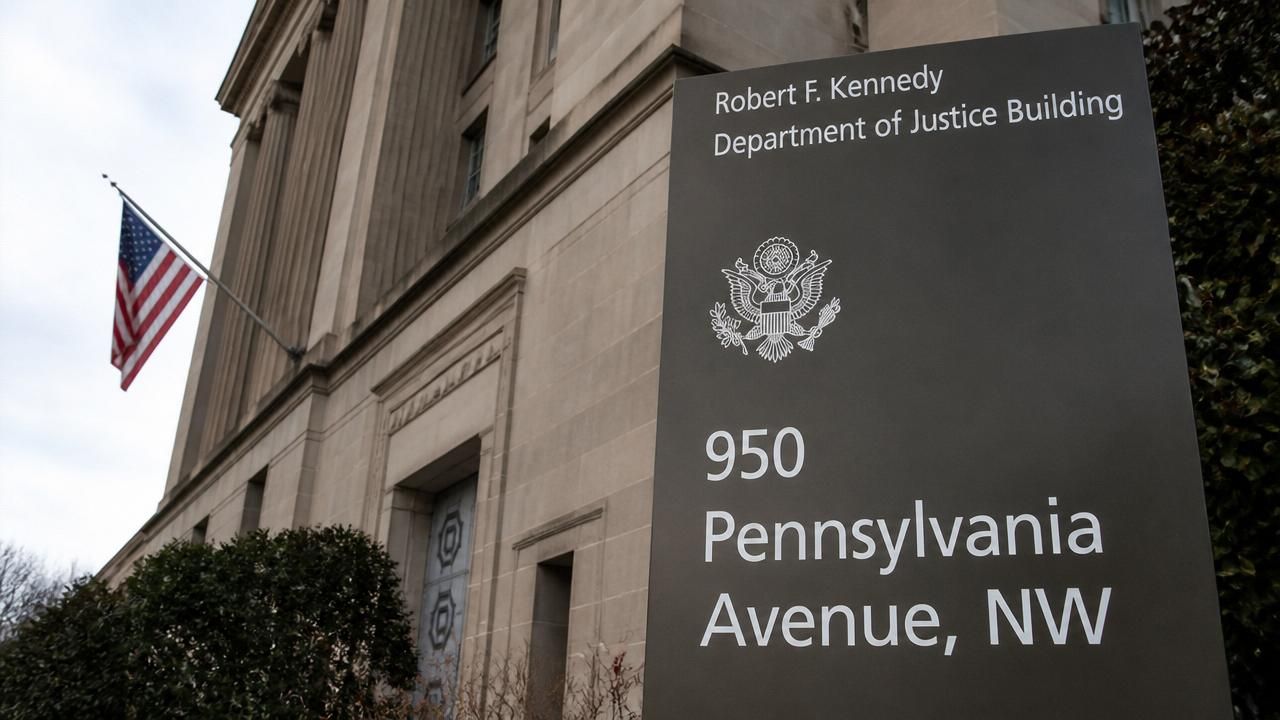
The Justice Department has abruptly withdrawn subpoenas demanding grand jury testimony and phone records from New York Times journalists, a move that comes after a federal judge sharply questioned the government's actions. The decision, reported by multiple outlets including NPR, The Guardian, and CNN, marks a significant reversal in the Trump administration's aggressive pursuit of leak investigations.
What Happened
According to the New York Times, the subpoenas were issued as part of an investigation into the disclosure of classified information related to a 2019 story about Qatar's purchase of a luxury jet for President Trump's use. The Times reported that the government sought records from journalists including Matt Apuzzo, Adam Goldman, and Michael S. Schmidt. After a court hearing on Thursday, where Judge J. Paul Oetken of the Southern District of New York expressed skepticism about the subpoenas, the Justice Department agreed to withdraw them. David McCraw, the Times' attorney, confirmed the development, stating that the government had backed down under pressure from the court.
“The government has agreed to withdraw the subpoenas,” McCraw said, according to NPR. “We are gratified that the court recognized the serious First Amendment issues at stake.”
Broader Context: A Pattern of Pressure
The subpoenas were part of a wider campaign by the Trump administration against the media and perceived adversaries. The Times reported that the administration had also subpoenaed law firms, escalated pressure on the FBI, and launched investigations into figures like Fed Chair Jerome Powell. In a related case, a judge blocked subpoenas against Powell, citing “essentially zero evidence” of wrongdoing. The Southern Poverty Law Center accused the Justice Department of vindictive prosecution, while the Times reported that the administration closed an investigation into Trump ally Tom Homan and dropped a probe into Biden's autopen use.
Sources vary in their framing. The Guardian emphasized the political nature of the move, calling it an “effort to subpoena New York Times over Qatari jet story.” Bloomberg focused on the withdrawal as a legal setback for the DOJ, while MSNBC's coverage highlighted the broader implications for press freedom. CNN characterized the episode as “deeply personal,” noting that Trump has long targeted the Times.
Historical Background
The use of subpoenas against journalists is rare but not unprecedented. During the Obama administration, the Justice Department secretly obtained phone records of Associated Press reporters and labeled a Fox News journalist as a co-conspirator in a leak case. The Trump administration has continued this trend, but the swift reversal in this instance suggests judicial resistance. As Freedom of the Press Foundation noted, Obama used the Espionage Act to prosecute more leakers than all previous administrations combined, and Trump has signaled even greater willingness to crack down.
Expert Views
Legal experts have weighed in on the significance of the withdrawal. “This is a victory for the First Amendment,” said Jameel Jaffer, executive director of the Knight First Amendment Institute. “But it's a reminder of how easily the government can intimidate journalists.” Others have pointed out that the administration's broader pressure campaign, including threats to fire Powell and demands to prosecute foes, raises questions about the independence of the Justice Department.
The New York Times editorial board questioned whether the department can stay independent under Trump, while the Southern Poverty Law Center accused it of engaging in “vindictive prosecution.” Lawmakers and former Fed leaders have denounced the Powell inquiry, and a judge dismissed the Georgia election interference case against Trump, further fueling concerns about political interference.
What's Next
While the subpoenas have been withdrawn, the underlying investigation into the leak continues. The Times has called for broader protections for journalists, and press freedom advocates are urging Congress to pass a federal shield law. The episode underscores the ongoing tension between the executive branch and the media, a dynamic likely to persist regardless of who occupies the White House.
For now, the journalists involved can resume their work without the threat of compelled testimony. But as the Times itself noted, the administration's actions have already had a chilling effect, and the battle over press freedom is far from over.