In a series of biting comedic segments, Jimmy Fallon has taken aim at President Donald Trump’s recent public appearances, lampooning a verbal slip that turned “Pee-wee Herman” into “Pinky Herman” and mocking the sparse attendance at Trump’s “Freedom 250” rally in Pennsylvania. The jokes, which aired on The Tonight Show, highlight a growing trend of late-night hosts capitalizing on Trump’s off-script moments and campaign missteps.
The ‘Pinky Herman’ Gaffe
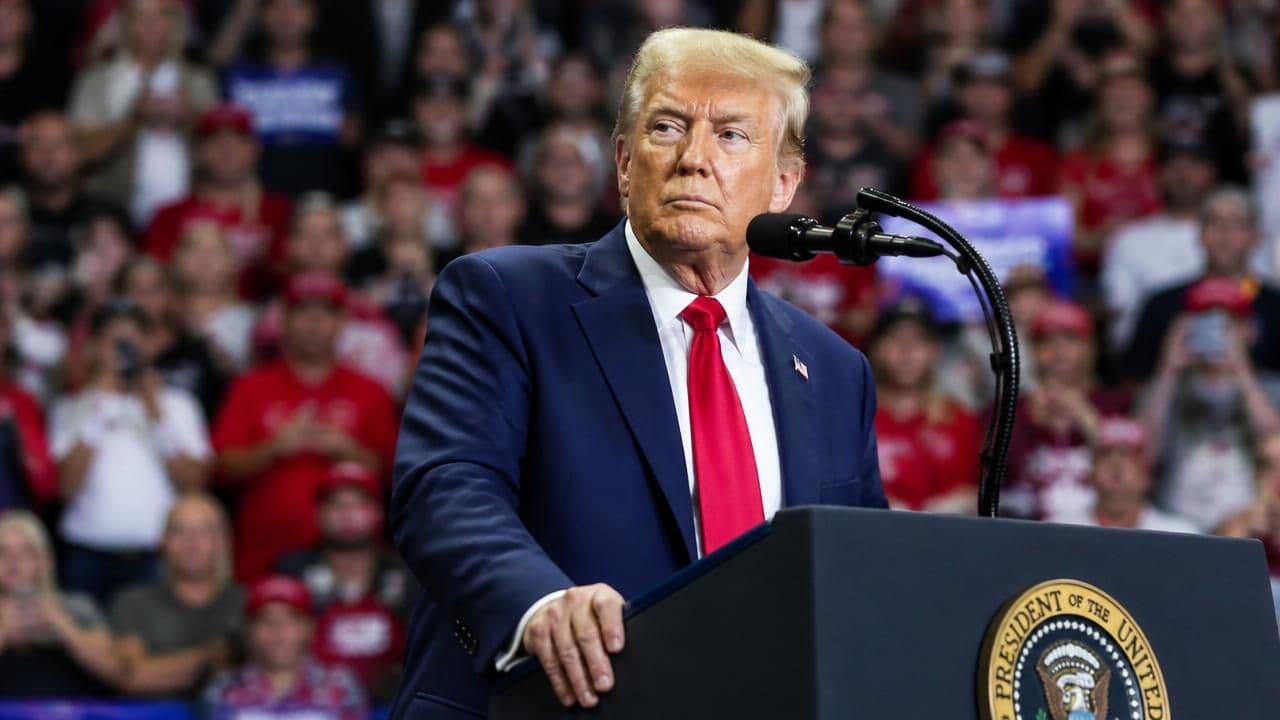
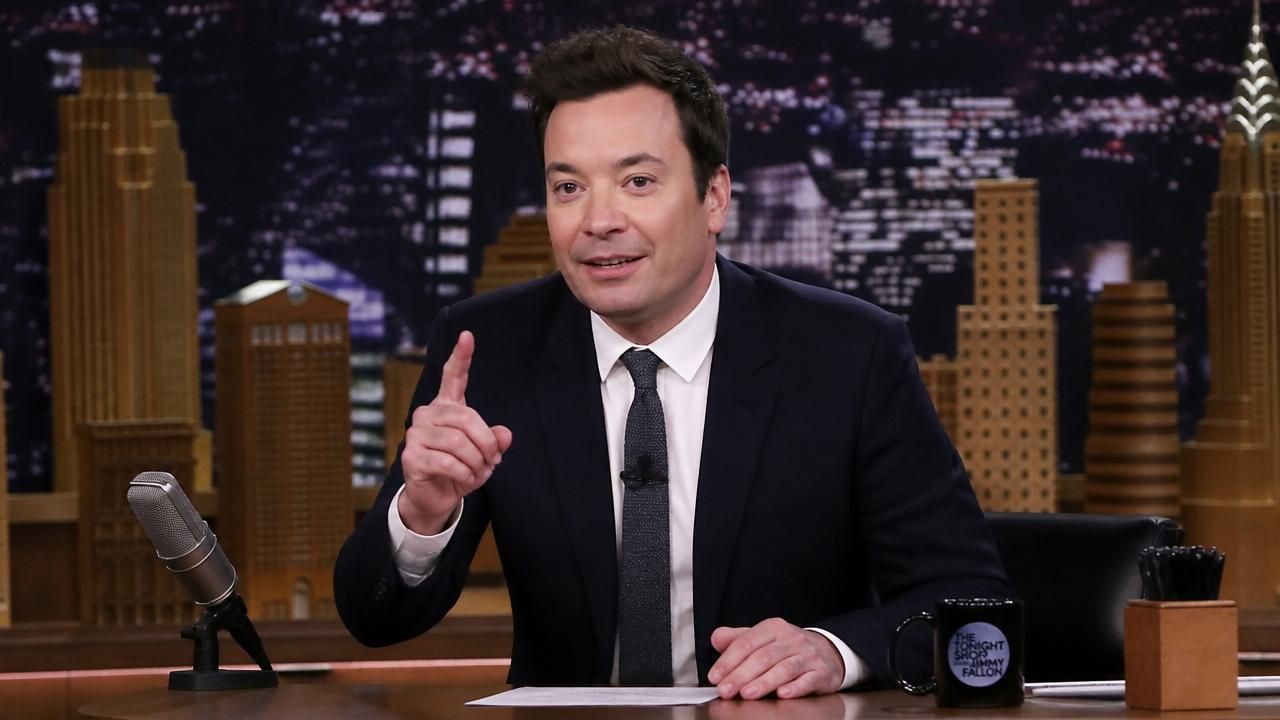
During a rally in Green Bay, Wisconsin, Trump attempted to reference the iconic children’s character Pee-wee Herman while criticizing Democratic Senate candidate Jon Ossoff. Instead, he said “Pinky Herman,” a name that instantly became a target for comedians. Fallon, in his monologue, quipped: “You got to give Trump credit: He misspeaks in ways nobody ever thought possible.” The host then imagined a scenario where Trump’s staff tries to correct him, only for the president to double down. “Who’s Pinky Herman?” Fallon asked, feigning confusion, before showing a clip of Trump’s original blunder. The segment quickly went viral on social media, with users creating memes and hashtags like #PinkyHerman.
MSNBC’s coverage framed the gaffe as part of a pattern of Trump’s verbal missteps that have become a staple of his public speaking. “It’s not just a one-time thing,” said political commentator Steve Kornacki. “This is a president who regularly flubs names and facts, and it’s become a liability for his campaign.” Conversely, Fox News downplayed the incident, with host Sean Hannity calling it “a minor slip that any speaker could make.”
The Freedom 250 Rally: BYOB and Empty Seats
Fallon also mocked Trump’s “Freedom 250” event in Pennsylvania, which was promoted as a major rally but drew a smaller-than-expected crowd. The host joked that it was the first time “BYOB” meant “bring your own band,” referencing the lack of musical entertainment. Video footage showed rows of empty seats, which Fallon superimposed with tumbleweeds. “It was so empty, Trump had to ask the Secret Service to clap,” he said.
Local news reports estimated attendance at around 3,000, far below the venue’s capacity of 10,000. The Trump campaign blamed the low turnout on weather and competing events, but critics argued it reflected waning enthusiasm. Political analyst Rachel Maddow noted, “When a sitting president can’t fill a venue in a key swing state, that’s a red flag for his reelection chances.”
“You got to give Trump credit: He misspeaks in ways nobody ever thought possible.” — Jimmy Fallon
Context and Implications
These incidents come at a critical time for Trump, who is trailing in national polls against Democratic nominee Joe Biden. Verbal gaffes and rally attendance have become metrics for campaign momentum, and Fallon’s jokes amplify the narrative of a struggling incumbent. The late-night host’s approach to Trump has evolved from early skepticism to full-throated satire, reflecting a broader shift in comedy toward political commentary.
Experts say such humor can shape public perception. “When a comedian like Fallon highlights a mistake, it sticks in people’s minds more than a news report,” said Dr. Emily Nussbaum, a media studies professor at NYU. “It’s a form of cultural shorthand that reinforces existing biases.”
Differing Perspectives
The media coverage of Fallon’s jokes varied widely. Liberal outlets like The New York Times and MSNBC praised the comedian’s timing and accuracy, while conservative media accused him of bias. A Fox News segment argued that Fallon was “piling on” and ignoring Biden’s own verbal slip-ups. Meanwhile, AOL’s coverage focused on the viral nature of the “Pinky Herman” clip, noting that it had been shared over 2 million times on Twitter within 24 hours.
On Facebook, a post about Fallon’s jokes was shared by thousands, with comments split between laughter and outrage. One user wrote, “Finally, someone is calling out Trump’s nonsense,” while another countered, “Fallon is just a puppet for the liberal media.”
Conclusion
Jimmy Fallon’s recent segments underscore the power of late-night comedy to shape political discourse. By merging the “Pinky Herman” gaffe and the Freedom 250 flop into a single narrative, Fallon has created a potent critique of Trump’s campaign. Whether these jokes will influence voters remains to be seen, but they have certainly added to the noise of an already chaotic election season.
As for Trump, his campaign has not responded directly to Fallon’s jokes, but the president has previously dismissed late-night hosts as “overrated” and “unfunny.” Regardless, the bits have resonated with audiences, proving that in 2020, comedy and politics are more intertwined than ever.