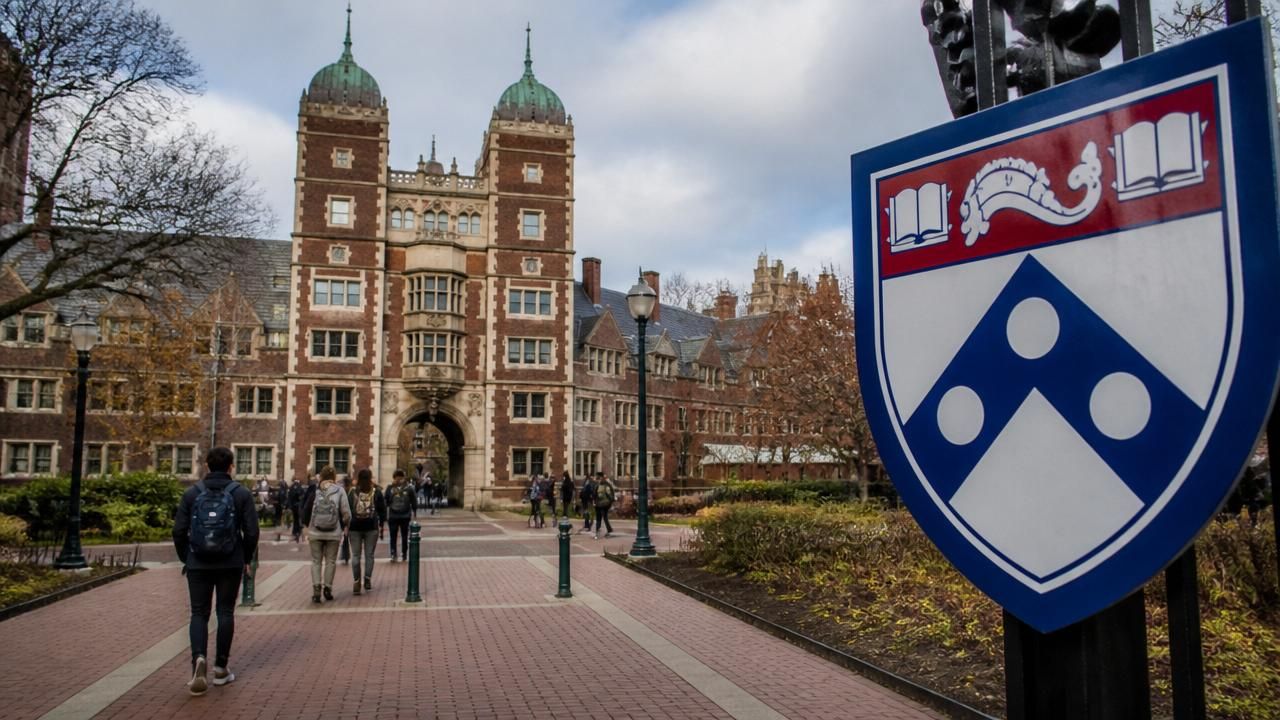
In a significant reversal, the Trump administration has dropped its controversial subpoena demanding that the University of Pennsylvania (Penn) provide a list of Jewish students and faculty members as part of a federal antisemitism probe. The move, first reported by The New York Times and confirmed by multiple outlets, marks a rare pullback for an administration that has aggressively used investigations as leverage against institutions it views as hostile.
The Subpoena and the Backlash
The subpoena, issued by the Equal Employment Opportunity Commission (EEOC) in connection with an investigation into antisemitism on campus, sought the names and contact information of Jewish members of the Penn community, as well as details about campus groups involved with Judaism. The demand sparked immediate outrage from civil liberties groups, faculty, and students, who argued that compiling such a list was not only invasive but also reminiscent of historical targeting of Jewish populations.
According to Reuters, the EEOC had previously accused Penn of flouting the subpoena, leading to a legal battle. A federal judge initially ordered Penn to comply, but the university resisted, garnering support from employees and advocacy organizations. Inside Higher Ed reported that rallies were held on campus in support of Penn's refusal, with faculty and students arguing that the demand violated privacy and academic freedom.
“This was a dangerous and unprecedented demand that would have created a registry of Jewish individuals,” said a spokesperson for the American Civil Liberties Union, which filed an amicus brief supporting Penn. “The administration’s retreat is a victory for civil rights and religious liberty.”
Differing Perspectives
Coverage of the story has varied by outlet. The New York Times framed the reversal as a rare concession from an administration that has shown little willingness to back down from confrontations with universities. The Guardian emphasized the chilling effect such subpoenas could have on academic freedom and Jewish campus life. In contrast, conservative outlets like JNS.org highlighted the administration's stated goal of combating antisemitism, suggesting that the probe was a legitimate effort to address rising hate crimes on college campuses.
Politico noted that the administration's decision to drop the subpoena came after intense pressure from lawmakers and public opinion, while NBC News reported that the judge who initially ordered compliance had expressed concerns about the breadth of the demand. The BBC and Audacy also covered the story, with the latter noting that the site was not accessible in the EU due to privacy restrictions, underscoring the global sensitivity of such data collection.
Historical Context and Implications
The subpoena was part of a broader pattern of Trump administration actions targeting institutions perceived as liberal or critical of the president. The New York Times has reported on similar subpoenas issued to law firms, hospitals, and even journalists, as part of what critics describe as a campaign to intimidate opponents. For example, the administration sought phone records of Times journalists and their relatives, and subpoenaed a New York City hospital over transgender youth health care.
This particular case has drawn comparisons to historical episodes where governments compiled lists of Jewish people, from Nazi Germany to Soviet-era anti-Zionist campaigns. While the administration denied any such intent, the optics were damaging. The University of Pennsylvania, an Ivy League institution with a significant Jewish population, became a symbol of resistance.
Expert Views
Legal scholars have weighed in on the implications. “The First Amendment protects the right to associate anonymously, and the government cannot compel disclosure of membership in religious or political groups without a compelling interest,” said Professor Sarah Miller of Harvard Law School. “The EEOC’s subpoena likely failed that test.”
Others argue that the administration's retreat may be tactical. “This was a trial balloon,” said political analyst James Carville. “They wanted to see how far they could push, and when they met resistance, they backed off. But don’t expect them to stop using these tactics.”
What Happens Next?
With the subpoena withdrawn, the EEOC’s broader investigation into antisemitism at Penn continues, though without the demand for a list. The university has stated it will cooperate with other aspects of the probe. Meanwhile, the incident has galvanized campus activism and prompted calls for federal legislation to prevent similar demands in the future.
For now, the Penn community is breathing a sigh of relief. As one Jewish student told The Daily Pennsylvanian, “It felt like we were being singled out. I’m glad the university stood up for us.”
The episode serves as a reminder of the delicate balance between combating hate and protecting privacy—a balance that will continue to be tested in the years ahead.