Tesla posted a mixed bag of results for the second quarter of 2025, reporting a 25% year-over-year increase in vehicle sales—driven largely by a recovery in Europe and price cuts—but saw its profit margins shrink to just 1.4%, down from double digits in prior years. The company's net income fell 17% year over year, missing analyst expectations, as expenses surged across R&D, selling and administrative costs, and capital expenditures tied to CEO Elon Musk's ambitious AI and robotics projects.
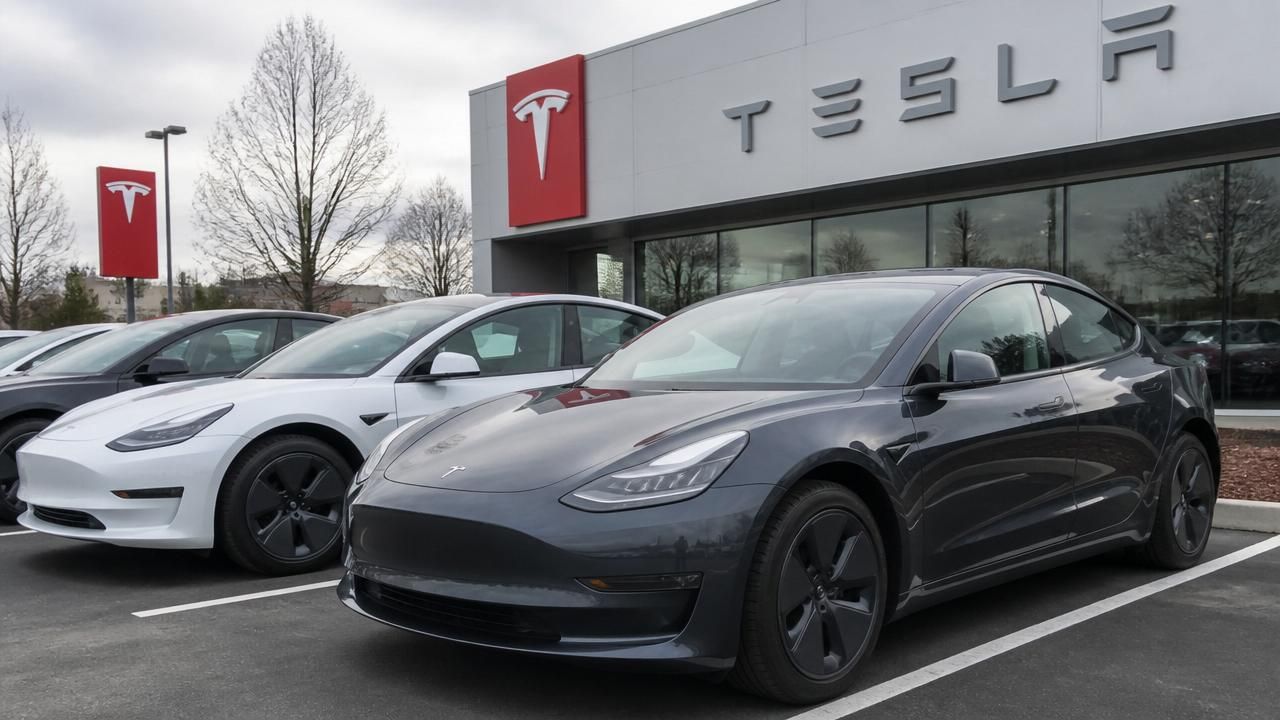
The electric vehicle maker delivered over 466,000 vehicles globally in the quarter, a record for the period, according to industry data. However, the boost in volume came at a cost: average transaction prices dropped as Tesla slashed prices in key markets, including a cheaper Model 3 variant launched in Europe to counter softening demand and political backlash against Musk. “Tesla is caught between a price war and a spending spree,” said Sam Abuelsamid, principal analyst at Guidehouse Insights. “They’re selling more cars but making less on each one, while pouring billions into future technologies that may not pay off for years.”
Revenue Gains, Profit Squeeze
Tesla's automotive revenue rose 23% to $20.5 billion, but regulatory credit income—a traditional profit booster—fell to just $146 million after the U.S. abolished the credit program in 2025 with Musk's support. The company's energy generation and storage business grew 13% to $3.1 billion, while services revenue doubled to $4.6 billion, fueled by a shift to monthly subscriptions for its Full Self-Driving (FSD) software.
Despite the top-line growth, operating expenses climbed sharply. Selling, general and administrative costs rose 18% year over year, according to Statista, as Tesla increased advertising spending—though it still lags legacy automakers. R&D spending hit a record $1.2 billion in the quarter, or roughly $2,600 per vehicle sold, more than double the per-car R&D spend of Ford or General Motors, according to CleanTechnica. “Tesla’s R&D intensity is unmatched, but it’s a bet that the next big thing—whether it’s a robotaxi, a humanoid robot, or a Semi—will justify the outlay,” said Jessica Caldwell, executive director of insights at Edmunds.
Costs Rise, Timelines Slip
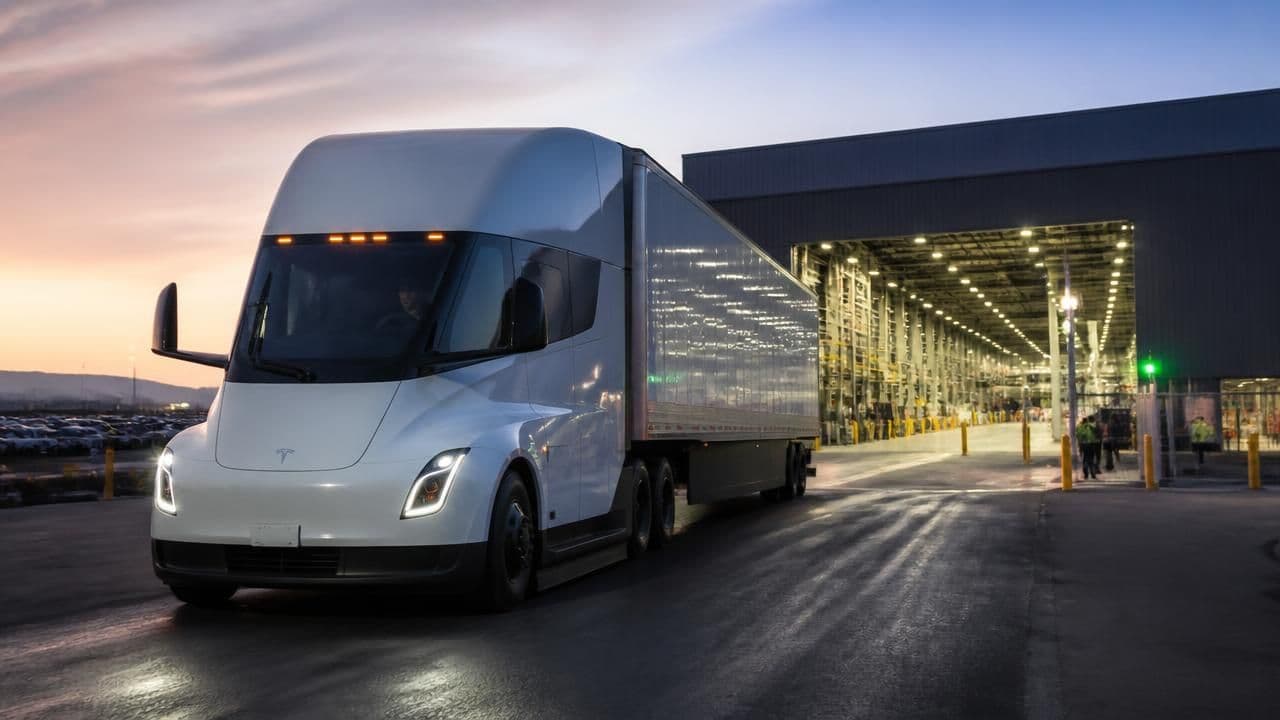
Capital expenditures surged as Tesla ramped up spending on its Cybercab (robotaxi), Semi truck, and Megapack battery production lines. However, multiple sources reported delays: Cybercab production is now expected to begin in late 2026, while Semi volume production has been pushed to 2027. “Tesla has a history of ambitious timelines, but the sheer number of projects is straining resources,” wrote analysts at Whalesbook. Warranty costs also rose, with Tesla’s mid-year U.S. warranty expenses increasing 12% versus 2024, according to Warranty Week.
Musk acknowledged the spending spree in a call with investors, warning that expenses would “rise substantially in the future” as Tesla funds AI and robotics. The company is also limiting employee AI spending to $200 per week, per an internal memo obtained by MSN, suggesting cost-control measures even as overall spending balloons.
Market and Political Headwinds
Tesla’s sales recovery in Europe—up 18% in Q2—came despite ongoing backlash against Musk’s partisan political activities. A Reuters report estimated that Musk’s controversial stances may have cost Tesla over 1 million potential EV sales globally. In the U.S., Tesla prices fell further in January 2026, with buyers paying an average of $1,087 less than other EV shoppers, according to USA Today. The used EV market is booming, and Teslas dominate that segment, but new-car transaction prices are under pressure as automakers and dealers absorb tariff-driven cost increases.
The broader EV market is growing, but competition is fierce. Chinese rival BYD is burning profits in a price war to unseat Tesla globally, while legacy automakers are launching more competitive models. “Tesla’s brand is still strong, but the halo is fading,” said Caldwell. “The question is whether Musk’s focus on moonshots will distract from the core business of selling cars.”
Robotaxis, Robots, and the Future
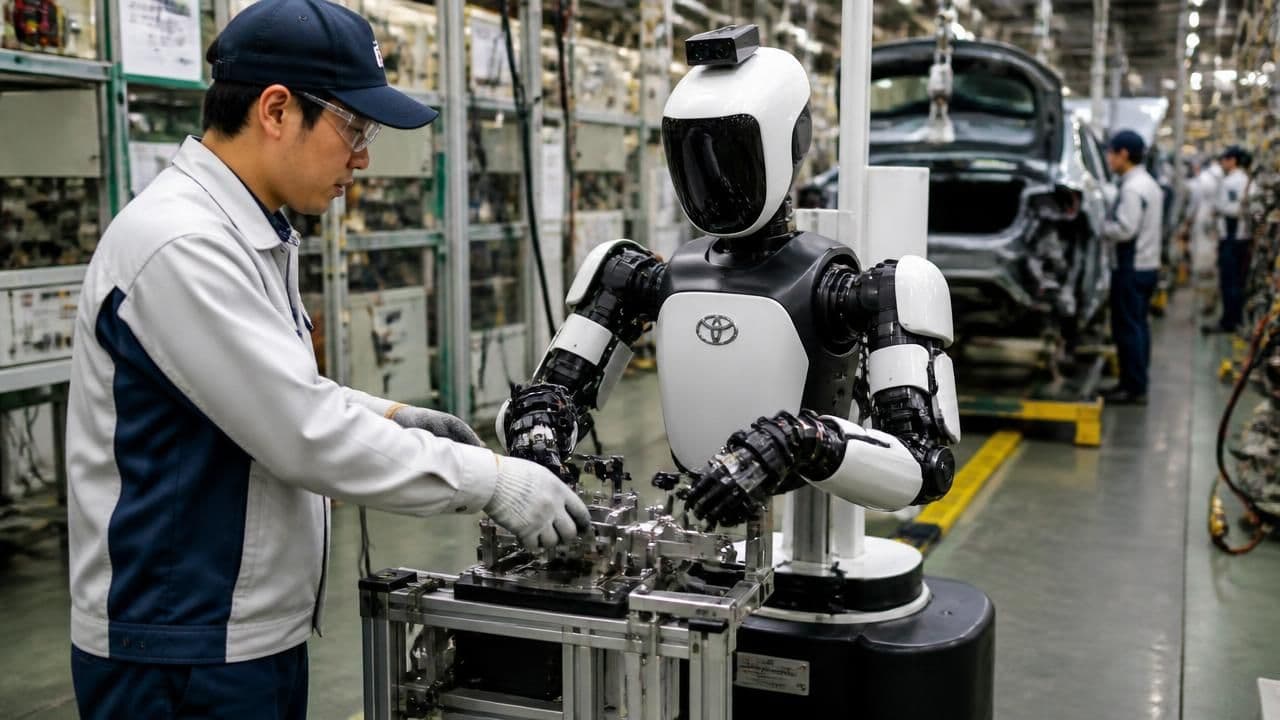
Musk’s vision for Tesla as an AI and robotics company is central to its long-term narrative. The company is developing a humanoid robot, Optimus, and plans to operate a fleet of robotaxis. But analysts are skeptical. “Tesla’s pivot to robotics is coming at the cost of its car business,” warned a USA Today analysis. Bloomberg reported that AI sales are starting to justify data-center spending, but Tesla’s own AI efforts remain unproven.
Meanwhile, the U.S. State Department is reportedly considering spending $400 million on armored Teslas, a potential boon for the company’s image and bottom line. And in the UK, the government spent £1.2 million per week subsidizing Tesla cars, according to the Investors Chronicle.
Outlook
Tesla’s Q2 results underscore a company in transition: still the EV sales leader, but facing margin compression, rising costs, and an uncertain payoff from its futuristic bets. For now, investors are watching whether Tesla can balance its dual identity as a carmaker and a tech company. “The market is giving Tesla a lot of rope because of its history of disruption,” said Abuelsamid. “But that rope is getting shorter.”