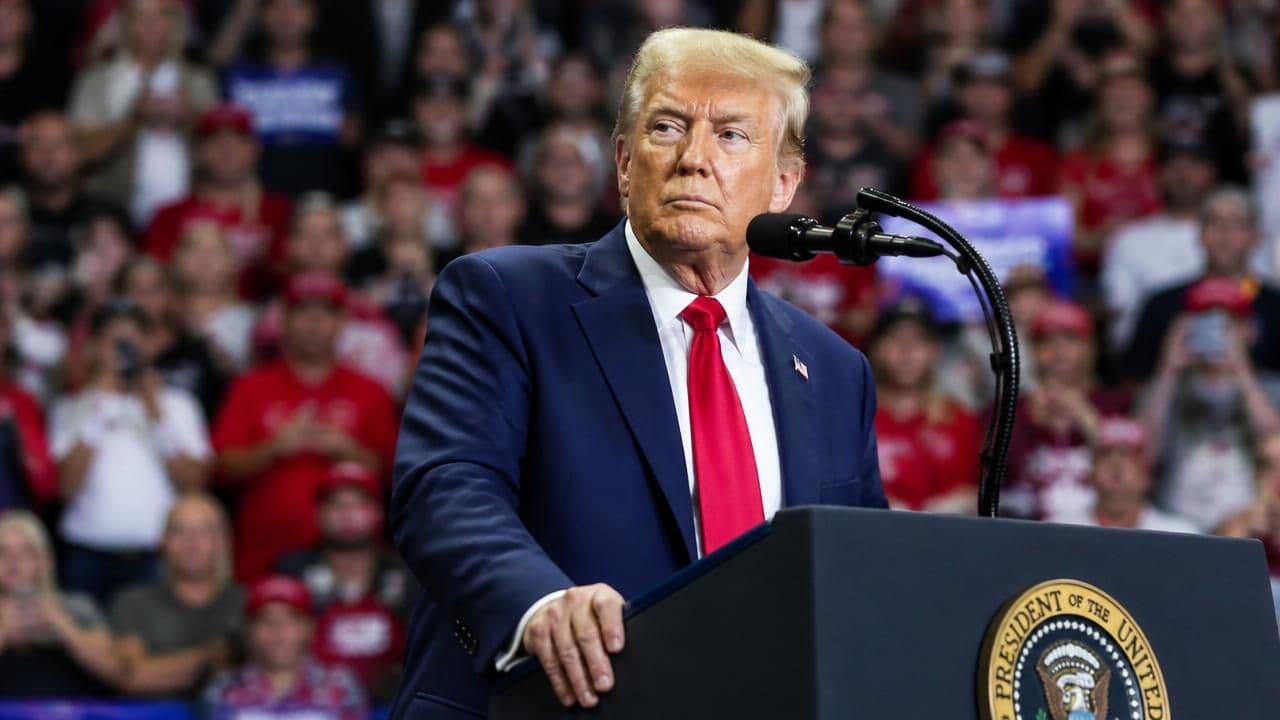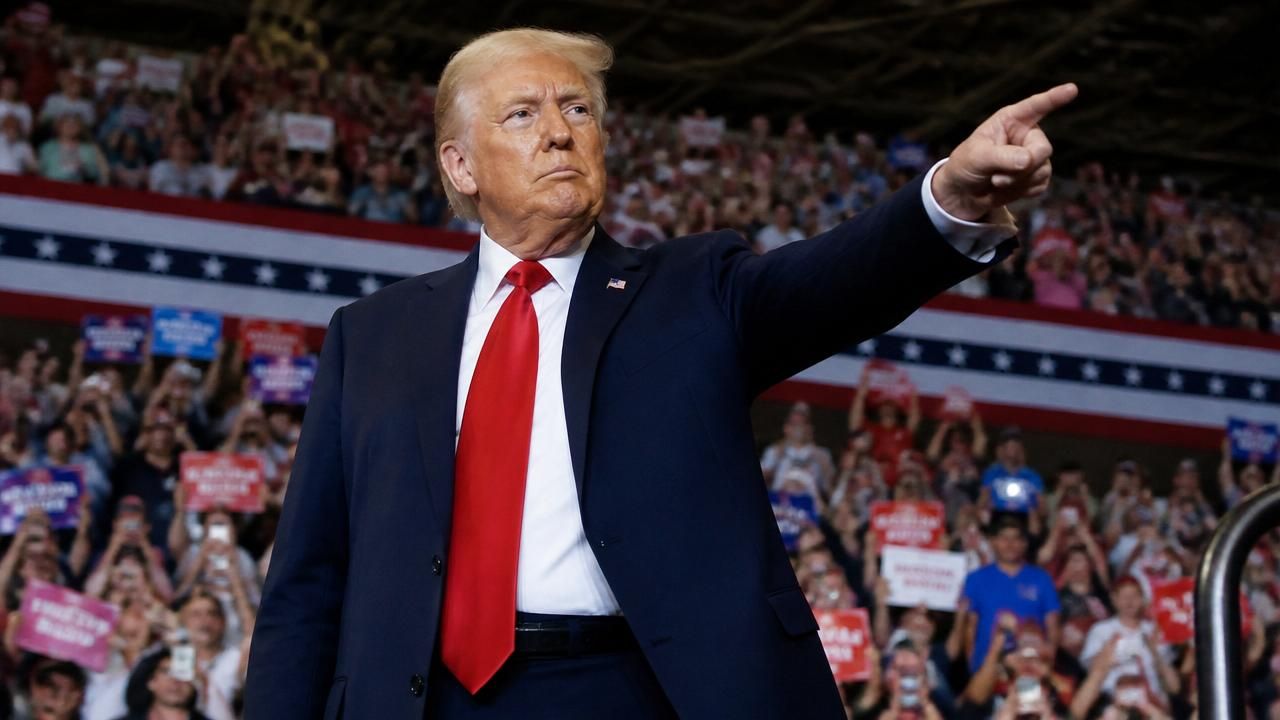
Heading to Georgia on Wednesday, President Donald Trump is ramping up his midterm campaign efforts earlier than in previous cycles. According to NPR, Trump has already campaigned for a dozen candidates in toss-up races in 2026, outpacing his pace at the same point in 2018. Yet, as CNN notes, the “Trump effect” in 2026 is markedly different from 2018, with a more polarized electorate and evolving party strategies.
A Surge in Early Campaigning
Trump’s aggressive travel schedule underscores his determination to influence the 2026 midterms. While kdhnews.com reports that his pace is slightly behind 2018 when adjusted for comparable periods, the overall intensity is higher. The New York Times highlights the many ways Trump is trying to tip the scales—from endorsements to rallies to leveraging his political network. This early engagement signals a White House keen to avoid the traditional midterm losses that often plague the president’s party.
Motivation and Polling: A Divided Electorate
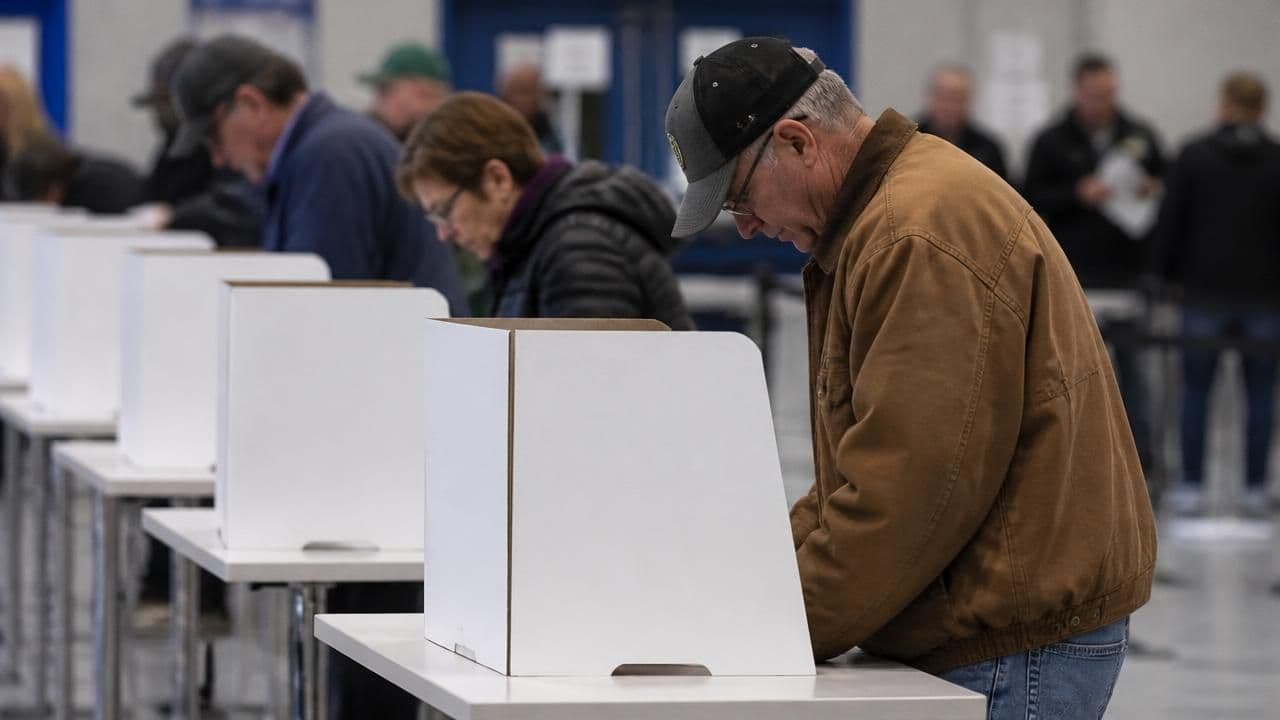
A recent poll cited by MSN reveals that MAGA voters are more motivated than Democrats heading into the midterms. However, RealClearPolitics questions whether 2026 will be a “normal” midterm, given the unique political landscape. AOL’s analysis of new polls shows a tight race for control of the House and Senate, with neither party holding a decisive advantage. The shifting dynamics suggest that while Trump’s base is energized, Democrats are also mobilizing, particularly in suburban districts.
Impeachment Talk and Referendum Framing
One MSN report warns that if Democrats win the midterms, impeachment talk could resurface, a former official cautioned. This adds a layer of high-stakes drama to the campaign. Meanwhile, another MSN piece frames the midterms as “a referendum on the president,” a classic narrative that both parties are using to rally their bases. The contrast between 2018—when Trump was not on the ballot but his influence was felt—and 2026—when he is actively campaigning—is stark.
Georgia: A Key Battleground
Trump’s visit to Georgia is strategic. The state has become a perennial battleground since the 2020 election, and both parties are investing heavily. NPR notes that Trump’s rally is part of a broader effort to boost candidates in toss-up races. The outcome in Georgia could be a bellwether for the national mood.
Historical Context and Implications
Historically, the president’s party loses seats in midterm elections. In 2018, Democrats gained 41 House seats and flipped several state legislatures. However, 2026 presents a different calculus: Trump is more entrenched, the political climate is more polarized, and key issues like the economy, immigration, and abortion are shaping voter priorities. Experts suggest that while Trump’s early campaigning may help some candidates, it could also nationalize races in ways that hurt Republicans in moderate districts.
“The president’s involvement is a double-edged sword,” said political analyst John Zogby. “He can turn out his base, but he also motivates the opposition.”
Data from the polls indicate that independents are breaking toward Democrats in key swing districts, while rural and exurban areas remain strongly Republican. The battle for the Senate is particularly fierce, with several open seats and vulnerable incumbents.
Conclusion
As the 2026 midterms approach, Trump’s campaign strategy is a blend of early engagement and high-risk endorsements. Whether this will replicate the 2018 wave or produce a different outcome remains to be seen. What is clear is that the stakes are enormous, with implications for Trump’s agenda, potential impeachment proceedings, and the balance of power in Washington. Voters will decide not just on local issues, but on the direction of the country under a second Trump term.