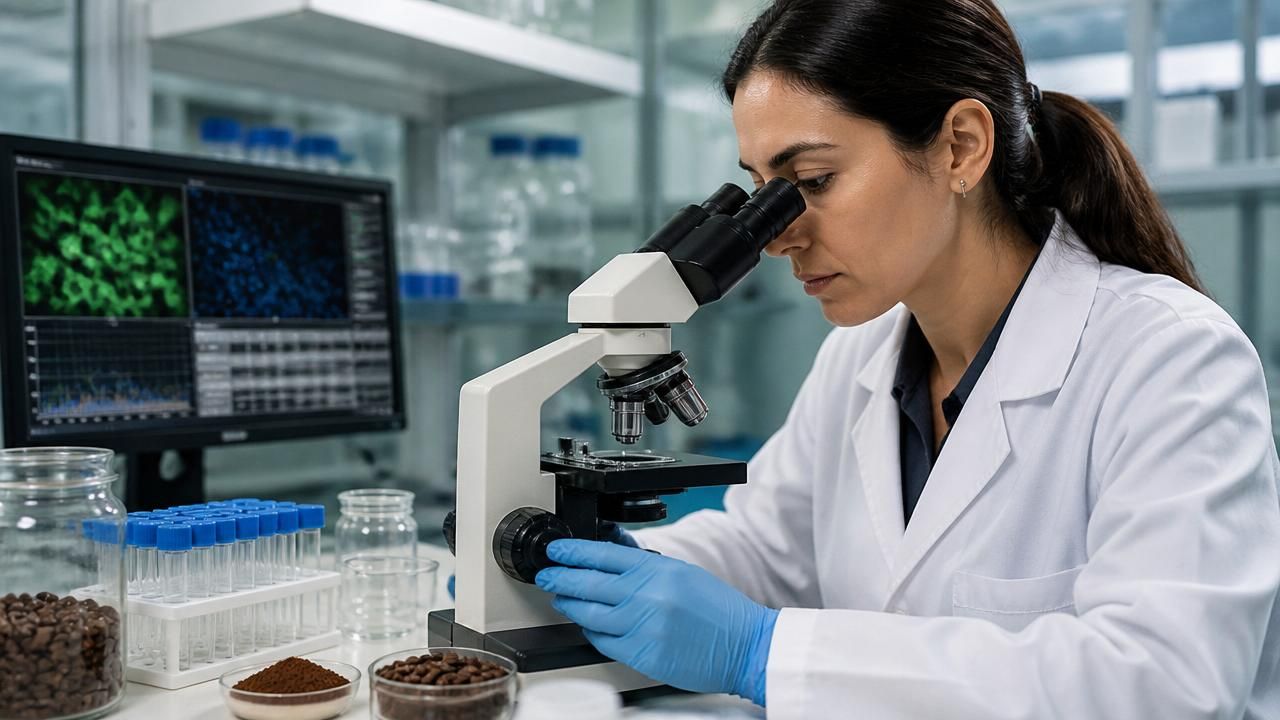
For decades, coffee has been linked to a lower risk of chronic diseases and a longer lifespan. Now, scientists believe they have uncovered a key mechanism behind these benefits: a hidden cellular switch known as NR4A1. According to research published in multiple outlets, including Science Daily, compounds in coffee—particularly caffeic acid—activate this receptor, which helps cells resist stress, inflammation, and damage. The findings add to a growing body of evidence that morning coffee may do more than wake you up; it could slow the aging process itself.
The NR4A1 Receptor: A Cellular Guardian
The NR4A1 receptor, sometimes called a 'longevity switch,' is a protein that regulates gene expression in response to cellular stress. When activated, it triggers protective pathways that reduce inflammation and oxidative damage. In experiments, when the receptor was removed, coffee’s protective effects disappeared—suggesting that NR4A1 is essential for these benefits. Surprisingly, the researchers found that plant-based compounds such as caffeic acid were far more active than caffeine itself, indicating that even decaf coffee might offer similar anti-aging effects.
“Coffee may flip an ancient longevity switch in our cells,” said one researcher, as reported by Popular Mechanics. “This could explain why regular coffee drinkers tend to live longer and have lower rates of diseases like cancer, heart disease, and dementia.”
Beyond Coffee: A Broader Anti-Aging Picture
The coffee study is part of a wave of recent discoveries about hidden switches that control aging. Scientists have identified other mechanisms, such as a 'death switch' in cells that can be flipped to slow aging, as covered by Popular Mechanics. Similarly, a separate study revealed that molecules in the blood have surprising anti-aging power, and another found that dark chocolate contains compounds that slow aging. These findings suggest that diet and lifestyle can directly influence cellular aging processes.
Eggs and Alzheimer’s Risk
In related news, Science Daily reported that eating eggs could cut Alzheimer’s risk by 27%. The choline in eggs is thought to support brain health and reduce inflammation—again linking diet to cellular protection.
Reversing Brain Aging
Scientists have also claimed to reverse brain aging with a simple nasal spray, and a natural aging molecule may help restore memory in Alzheimer’s patients. These advances point to a future where age-related decline might be slowed or even reversed.
How Much Coffee to Drink?
So, how much coffee is needed to reap these benefits? Men’s Health reports that drinking three to five cups per day is associated with a 15% lower risk of premature death, and may add up to five years to your life. However, experts caution that excessive caffeine can cause side effects, and individual tolerance varies.
“Moderation is key,” said a nutritionist quoted by Women’s Health. “A few cups a day can be part of a healthy diet, but don’t rely on coffee alone for longevity.”
Other 'Hidden Switches' in the Body
The concept of hidden switches extends beyond coffee. Scientists have discovered a variety of biological toggles that influence health and aging:
- Inflammation off switch: The body has a natural mechanism to turn off inflammation, which could lead to new treatments for chronic diseases.
- Brown fat calorie burner: A hidden system turns brown fat into a calorie-burning furnace, potentially aiding weight loss.
- Amino acid switch: An amino acid switch can turn fat into a calorie-burning furnace, as reported by Science Daily.
- Cancer cell survival switch: Scientists have found hidden switches that help cancer cells survive, opening new avenues for therapy.
Implications for Longevity and Disease Prevention
The discovery of the NR4A1 receptor and other hidden switches provides a roadmap for developing interventions that target aging at the cellular level. While coffee is a simple and accessible way to activate these pathways, researchers are also exploring drugs and supplements that mimic these effects.
“Understanding these switches could revolutionize how we approach aging,” said a scientist from the University of California, as cited by Science Daily. “We might be able to slow or even reverse aspects of aging, reducing the risk of many age-related diseases.”
Conclusion
While no single food or habit guarantees a long life, the accumulating evidence suggests that coffee—and the hidden cellular switches it activates—can play a significant role in promoting healthier aging. As research continues, the morning cup of coffee may become an even more powerful tool in the quest for longevity.