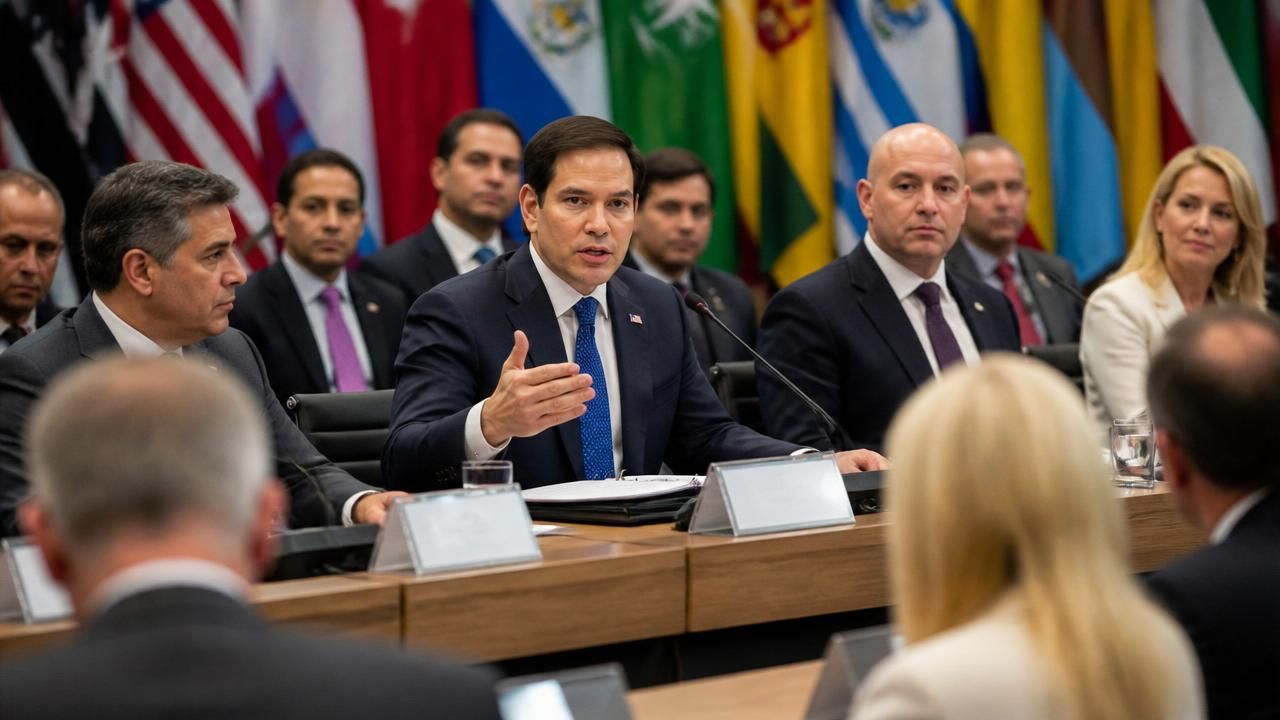
Secretary of State Marco Rubio on Thursday convened a landmark summit of diplomats and security officials from more than 60 countries to address what the Trump administration describes as a rising global threat of far-left political violence. The meeting, held at the State Department in Washington, D.C., marks the administration's most concerted effort to frame left-wing extremism as a pressing international security challenge, particularly as the issue becomes a central theme in President Donald Trump's reelection campaign.
Scope and Participation
The summit brought together representatives from 65 to 67 nations, according to various reports. NPR Politics noted that Rubio convened leaders from more than 60 countries, while CNN specified 67 countries. Other outlets, such as eciks.org and kimt.com, reported 65 nations, and asatunews.co.id cited 66. The discrepancies likely reflect the fluid nature of diplomatic attendance, but all accounts underscore the broad international participation. The gathering included ambassadors, foreign ministers, and counterterrorism officials, signaling a coordinated push to share intelligence and best practices.
Key Speeches and Framing
Rubio, alongside White House senior adviser Stephen Miller, delivered stark warnings about the dangers of far-left extremism. CNN reported that Rubio and Miller described the phenomenon as a “mortal threat” and used the term “far-left terror” to characterize groups they accuse of orchestrating violence. The administration's rhetoric aligns with President Trump's frequent claims that left-wing agitators, such as Antifa, pose a danger comparable to Islamist terrorism. Rubio's remarks emphasized the need for a unified global response, drawing parallels to past international efforts against jihadist networks.
“We are facing a coordinated, transnational threat from far-left extremist groups that seek to undermine democratic institutions through violence and intimidation,” Rubio said, according to prepared remarks obtained by multiple outlets. “No nation can confront this alone.”
Context and Controversy
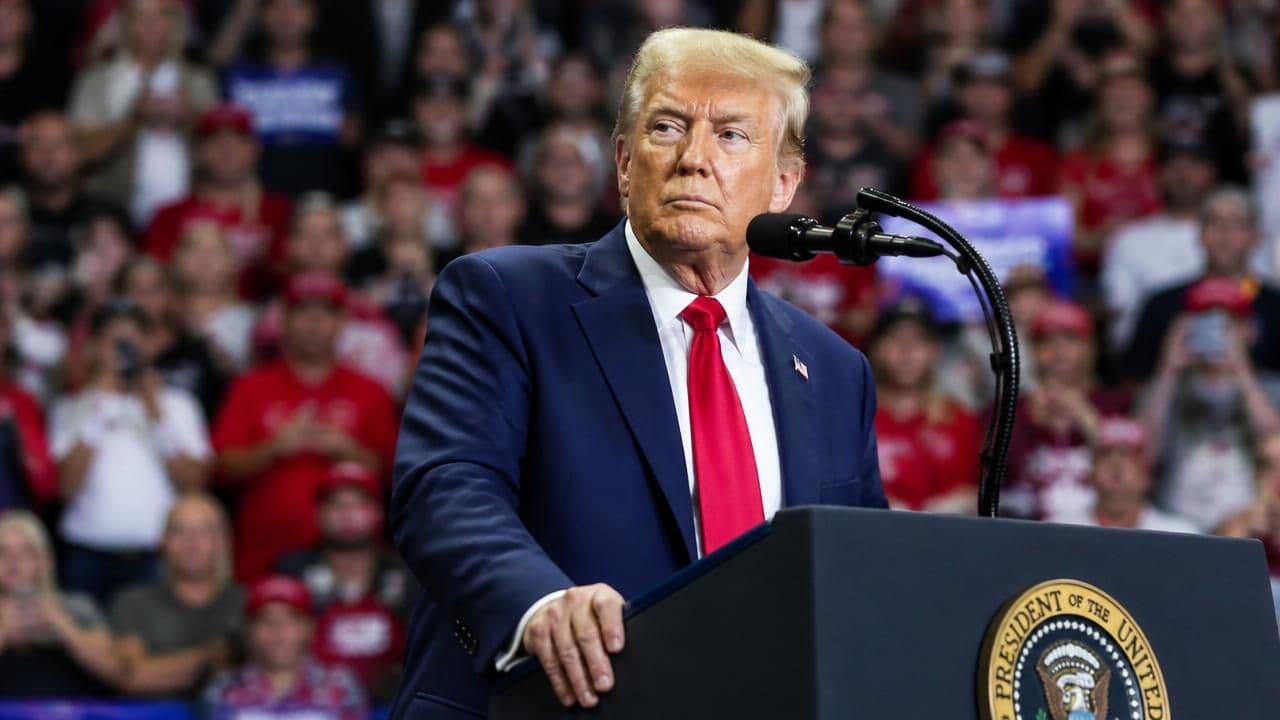
The summit comes amid a charged U.S. election season, where President Trump has increasingly focused on left-wing violence as a campaign issue. Several local news outlets, including the Ottumwa Courier and the Joplin Globe, headlined their coverage as “Rubio gathers countries on left-wing political violence as it becomes a Trump focus in elections.” Critics, however, have accused the administration of amplifying a relatively minor threat to distract from other issues. Data from the Global Terrorism Database shows that far-right extremists have been responsible for more lethal attacks in the United States in recent years, but the Trump administration has prioritized left-wing violence.
Differing Perspectives
Coverage of the event varied across media outlets. NPR Politics focused on the diplomatic initiative, while CNN highlighted the dramatic language used by Rubio and Miller. Smaller regional papers, such as the Palestine Herald and the Kokomo Tribune, echoed the administration's framing, noting that the effort is “a focus in elections.” International outlets like London Daily News and asatunews.co.id provided more neutral descriptions, with the latter emphasizing the “coordinated response to leftwing violence.” The diversity of sources reveals a polarized media landscape, with some outlets amplifying the administration's narrative and others offering critical context.
Historical Background
This is not the first U.S.-led effort to combat left-wing extremism abroad. During the Cold War, Washington supported anti-communist movements worldwide. However, the current initiative is distinct in its focus on non-state actors and its reliance on multilateral cooperation. The Trump administration has previously attempted to designate Antifa as a terrorist organization, but legal and practical hurdles have limited those efforts. The summit signals a shift toward international coordination, potentially leading to shared watchlists, joint investigations, and coordinated prosecutions.
Expert Views and Implications
Security analysts offered mixed reactions. Some praised the initiative for addressing a neglected threat, noting that far-left groups have been linked to property damage, assaults, and occasional fatalities in the U.S. and Europe. Others cautioned that the term “far-left terrorism” is politically charged and could be used to suppress legitimate dissent. “The administration is conflating violent extremism with peaceful protest,” said Dr. Sarah Miller, a terrorism scholar at Georgetown University, in an interview. “This risks alienating allies who see the issue differently.” The summit's outcomes remain to be seen, but it has already sparked debate about the definition of terrorism and the politicization of security policy.
What’s Next
The State Department plans to follow up with working groups and information-sharing agreements. Rubio’s office indicated that future meetings will focus on specific regions, including Europe and Latin America, where left-wing militant groups remain active. For the Trump campaign, the summit provides a powerful talking point, reinforcing the president’s law-and-order message. As the election approaches, the issue of left-wing violence is likely to remain a flashpoint, both domestically and internationally.