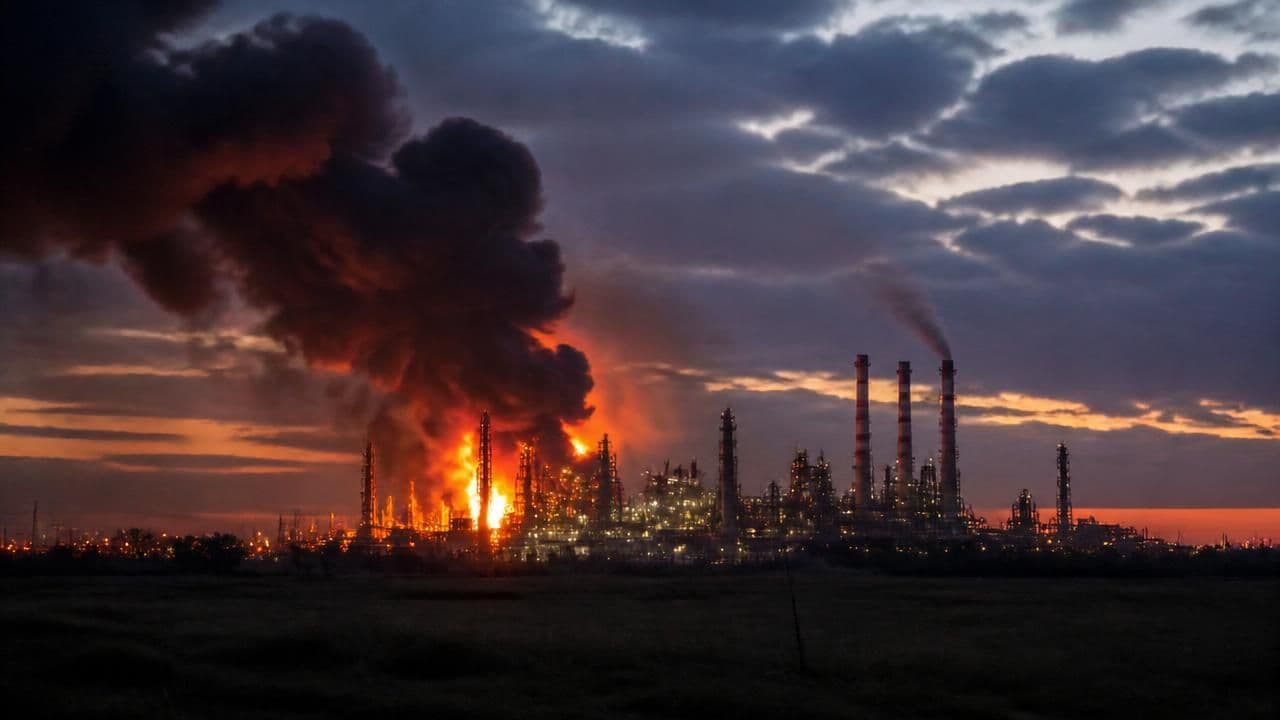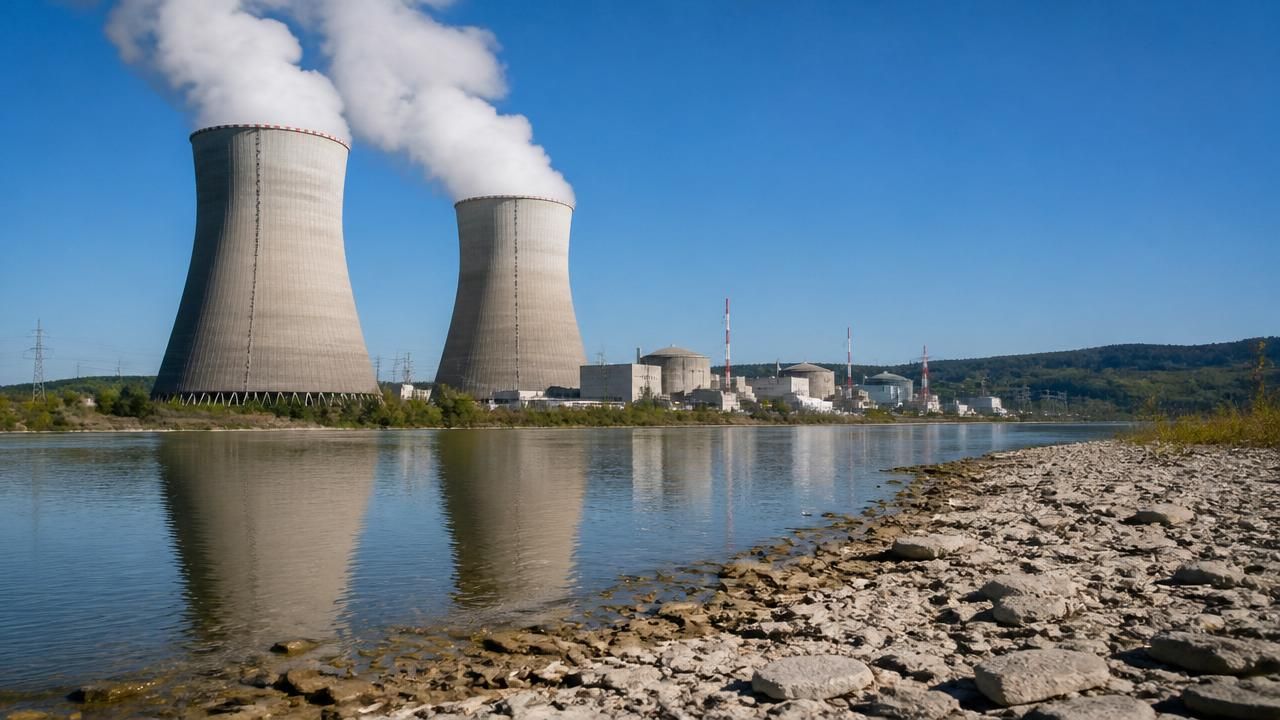
France, Europe's largest electricity exporter, is facing a dramatic reversal of fortune. After posting record power exports in the first half of 2026—up 36% year-on-year according to Bloomberg—the country is now scrambling to manage a sharp drop in nuclear output as a brutal heatwave forces reactor shutdowns. The conflicting headlines from multiple news outlets underscore a stark reality: even the most advanced nuclear fleet is vulnerable to climate change.
From Record Exports to Nine-Month Low
In the first six months of 2026, French power exports surged to an all-time high, driven by a rebound in nuclear generation and booming renewable output. Bloomberg Markets reported that the country had a 'big surplus of low-cost electricity to sell across Europe,' providing relief to neighboring nations struggling with high energy prices. But that surplus has evaporated. As of late August, French nuclear output has plunged to a nine-month low, with Bloomberg noting that 'heat disrupts fleet' operations. The contrast is stark: the same reactors that powered record exports are now being throttled back due to environmental constraints.
Heatwave Forces 6.4 GW of Cuts
OilPrice.com was first to report that France has cut 6.4 gigawatts (GW) of nuclear capacity—equivalent to several large reactors—as the heatwave grips the country. The issue is twofold: many French reactors use river water for cooling, and when river temperatures rise too high, environmental regulations limit the discharge of warm water to protect aquatic life. Additionally, some reactors must reduce output to maintain safe operating temperatures. Reuters and MSN both confirmed that 'more French nuclear [is] offline as heatwave persists,' with MSN's headline bluntly stating, 'Europe's Nuclear Plants Can't Beat the Heat.'
“This is a systemic challenge. Nuclear plants are designed to operate in a certain temperature range, and climate change is pushing them beyond those limits,” said Dr. Camille Lefevre, an energy policy analyst at the Institut Français des Relations Internationales.
Global Context: Record Nuclear Output in 2025
The French crisis comes amid a global nuclear renaissance. According to the International Energy Agency (IEA), nuclear power set a record for global output in 2025, and the agency projects that nuclear plus renewables will generate half of all electricity by 2030. But the French heatwave highlights a critical vulnerability: as the planet warms, the reliability of nuclear power—often touted as a clean, baseload energy source—may be compromised. The IEA's optimistic forecast assumes that plants can run at full capacity, but extreme weather events are increasingly forcing shutdowns.
Differing Perspectives: Surplus vs. Shortage
The coverage of France's nuclear situation reveals a classic journalistic split: some outlets focus on the long-term trend (record exports, global growth), while others zoom in on the immediate crisis (heatwave curtailments). Bloomberg's earlier story celebrated France's export boom, but its later report warns of a 'nine-month low.' MSN's aggregated content veers toward alarmism with 'can't beat the heat,' while Reuters provides a more measured account of regulatory constraints. OilPrice.com offers a technical breakdown of the capacity cuts, and the IEA report provides the big-picture optimism. Together, these sources paint a nuanced picture: France's nuclear fleet is both a strategic asset and a climate liability.
What's Next for France and Europe?
EDF, the state-owned utility, has not yet provided a timeline for restarting the idled reactors. The heatwave is expected to persist for at least another week, according to Météo-France. In the meantime, France will likely become a net electricity importer, drawing on power from Germany, Spain, and the UK. This could drive up wholesale electricity prices across the continent, reversing the trend of lower prices seen earlier in 2026.
The situation also raises questions about the long-term viability of nuclear power in a warming world. While nuclear plants produce zero-carbon electricity, they require vast amounts of water for cooling—water that is becoming scarcer and warmer. Some experts argue for increased investment in dry cooling technologies or small modular reactors (SMRs) that can operate with less water. Others say the answer lies in a more diversified energy mix, with greater reliance on solar and wind, which are less affected by heatwaves (though they have their own weather dependencies).
Conclusion
France's nuclear saga is a microcosm of the global energy transition. It shows that even the most successful clean energy programs can be derailed by the very climate change they aim to combat. As the IEA notes, nuclear and renewables will be central to the world's electricity future—but only if they can withstand the heat.