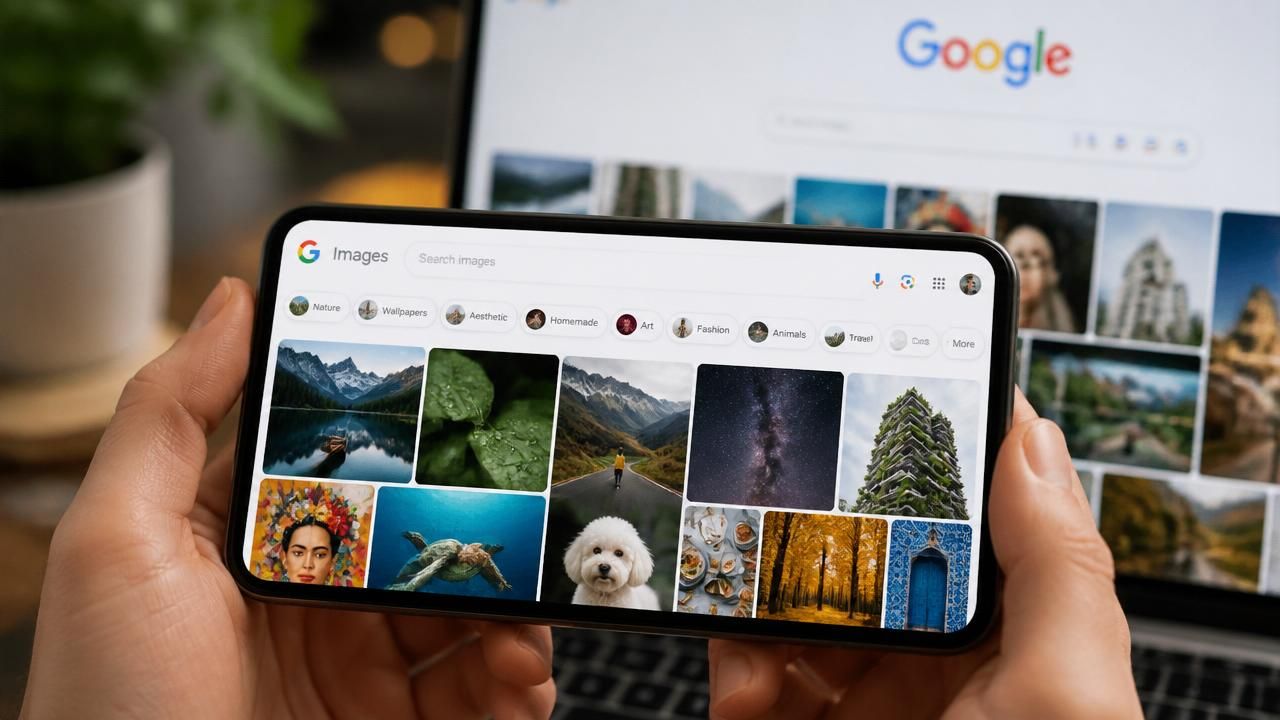
Google is celebrating the 25th anniversary of Google Images with a major redesign that transforms the once-minimalist homepage into a dynamic, AI-curated gallery. Instead of a blank page with a search bar, users will now see a scrollable feed of images tailored to their interests, updated in real time. The Verge reports that the new layout resembles platforms like Pinterest and Imgur, aiming to make image discovery more engaging from the moment you arrive.
This change is part of a broader push by Google to integrate artificial intelligence across its photo and search ecosystem. From AI-powered video creation to improved facial recognition for pets, the company is betting that smarter algorithms will keep users locked into its services. But as these features roll out, they also reignite debates about algorithmic bias, privacy, and the environmental cost of AI.
A New Homepage for Google Images
According to Google's announcement, the revamped Google Images homepage will feature a "browseable, dynamic, immersive gallery of images from across the web." The company says it is "intelligently tailored to your unique interests," using your search history and behavior to surface relevant visuals before you even type a query. This marks a significant departure from the traditional search-first interface that has defined Google Images since its inception—a tool that, as GQ notes, was inspired by Jennifer Lopez's iconic Versace dress at the 2000 Grammys.
The update comes at a time when Google is increasingly weaving AI into its core products. However, not all users are thrilled. PCMag has documented growing frustration with Google's "AI overload," prompting some to explore alternatives like DuckDuckGo, which offers an escape from AI-driven results. The new homepage may be seen as another step in that direction, prioritizing algorithmic curation over user-initiated search.
Google Photos Gets Veo 3 and AI Video Creation
Alongside the Images update, Google announced that its Veo 3 AI model is coming to Google Photos, allowing users to transform still images into short videos. TechCrunch reports that the feature, accessible via the new Create tab, lets you turn a single photo into a six-second video clip. PetaPixel adds that this tool is designed for quick, shareable content, though the results can sometimes be "super weird," as PCMag's experimentation shows.
Google's blog highlights six things you can do with the Create tab, including making animated memories and stylized clips. The move positions Google Photos as a creative hub, competing with apps like CapCut and Adobe Express. But it also raises questions about how Google uses your personal photos to train its AI. PhoneArena warns that users may be helping Google train its AI without realizing it, as the company increasingly leverages user data to improve its models.
Facial Recognition Advances—and Persistent Biases
Google Photos continues to improve its facial recognition capabilities. A new feature, reported by PetaPixel, can identify people even from behind, using body shape and clothing cues. Google also announced it's now easier to find your furry friends, with enhanced pet recognition that can distinguish between cats and dogs.
However, these advances are shadowed by longstanding algorithmic bias issues. Multiple sources, including the New York Times, AlgorithmWatch, and The Guardian, report that Google's photo app still cannot identify gorillas—a problem first identified in 2015 when the app mistakenly labeled a Black couple as gorillas. Google's solution at the time was to block the term "gorilla" from search results, a band-aid fix that critics say avoids addressing the root cause. AlgorithmWatch notes that Apple's Photos app has similar issues, with both companies' algorithms perpetuating racist tropes.
The Guardian's investigation reveals that Google's approach to accidental algorithmic racism has been to simply ban gorillas from its image recognition system. This has led to a situation where the app can recognize thousands of other animals but cannot identify one of the most iconic primates. WIRED adds that Google's image algorithms are still no match for human powers of association, highlighting the gap between machine learning and human cognition.
Privacy and Legal Concerns
Google's AI features also raise privacy red flags. A New York Times report from 2022 detailed how a father's photos of his naked toddler, taken for medical purposes, were flagged by Google's systems as potential child abuse material, leading to a criminal investigation. The incident underscores the risks of automated content moderation, especially when applied to sensitive contexts.
Meanwhile, the BBC reports that Google's AI is being manipulated by bad actors, and the search giant is quietly fighting back. From SEO spam to deepfakes, the company faces an arms race to keep its algorithms trustworthy. The environmental impact is also a concern: a BBC investigation into why your internet habits are not as clean as you think highlights the energy consumption of AI data centers, which power features like Google's AI Overviews and image generation.
Alternatives and Workarounds
For users overwhelmed by Google's AI features, PCMag has tested alternative search engines that offer a simpler experience. DuckDuckGo, in particular, is praised for its privacy-focused approach and lack of AI-generated results. Other options include Ecosia, which plants trees with its ad revenue, and Brave Search, which emphasizes independence.
If you want to hide Google's AI Overviews, PCMag has figured out a workaround using browser extensions or custom search settings. And for those who miss the old Google Images, you can still perform a reverse image search on your iPhone or Android device, as detailed by OS X Daily and Lifewire.
Conclusion
Google's 25th anniversary updates to Images and Photos showcase the company's commitment to AI-driven innovation. The new homepage and video creation tools offer exciting possibilities for discovery and creativity. However, they also come with significant baggage: algorithmic bias, privacy risks, and environmental costs. As Google pushes forward, users must weigh the convenience of AI against its potential downsides—and consider whether the trade-offs are worth it.