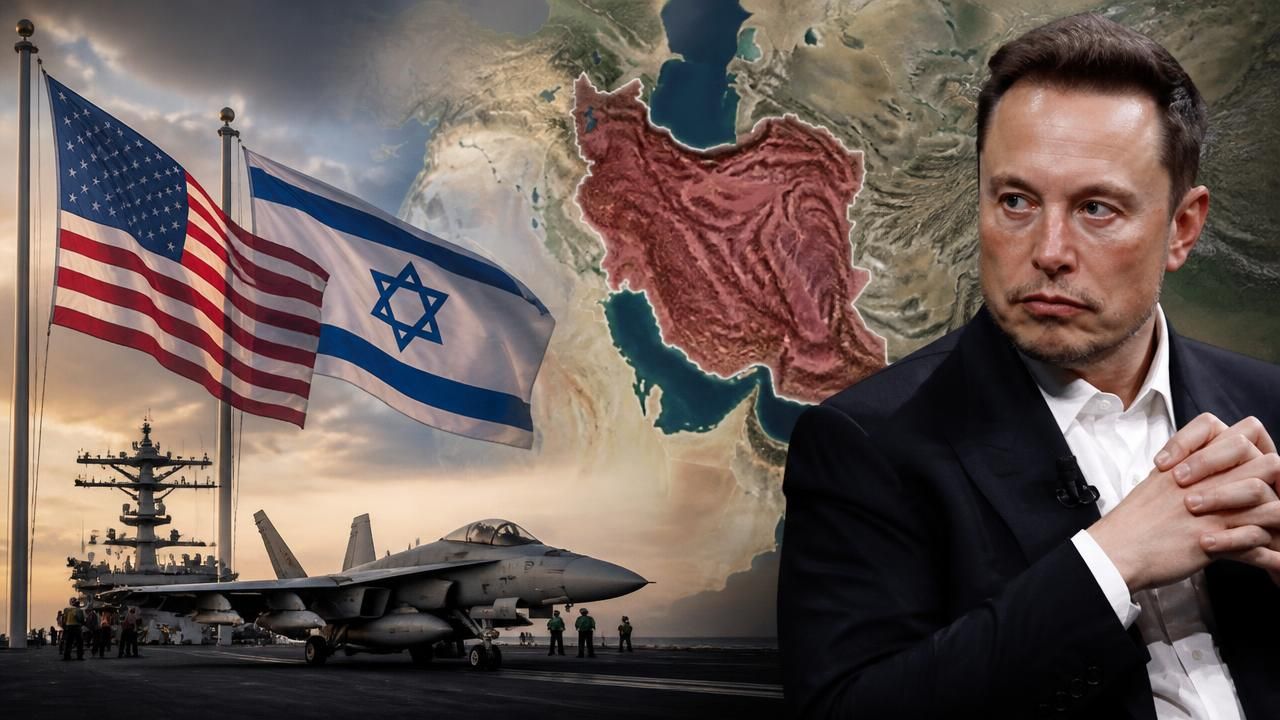
Reports from several U.S. outlets say the United States and Israel are drawing up contingency plans for renewed strikes on Iran in the post-election period, an explosive national-security story unfolding alongside a separate but related political drama over Elon Musk’s corporate and campaign interests. The sourcing is anonymous, no government has publicly confirmed operational details, and the reports leave key questions unanswered: what targets might be involved, how advanced the planning is, and whether the timing reflects military necessity, political strategy, or both.
NPR reported that the U.S. and Israel are planning for a possible post-elections attack on Iran, citing an anonymous source. The New York Times headline similarly said the two allies were drawing up plans for renewed strikes on Iran after elections, while MSN repeated that the U.S. and Israel are drawing up plans to resume attacks post-election, citing sources. The consistency across headlines suggests a common briefing or leak, but it does not by itself verify the plans.
The U.S. and Israel are planning for a possible post-elections attack on Iran, an anonymous source tells NPR.
Why the post-election window matters
Election periods create a peculiar policy window. Incumbents often avoid dramatic military action before votes, while a post-election lame-duck or transition period can allow decisions that would be harder to explain during a campaign. For Washington, strikes on Iran would carry regional escalation risks, oil-market consequences, and congressional scrutiny. For Israel, the U.S. political calendar shapes both operational coordination and diplomatic cover. The reports therefore land at the intersection of strategy and domestic politics.
The broader backdrop is years of tension over Iran’s nuclear program, sanctions, proxy conflicts, and earlier rounds of strikes or covert action. The word renewed in the headlines implies prior episodes, but the reporting does not specify what would be renewed, when, or under what conditions. That ambiguity is central: leaked planning can be a warning, a bargaining chip, a bureaucratic signal, or a deliberate attempt to shape perceptions in Washington, Jerusalem, and Tehran.
Musk’s parallel stakes
The same news cycle carried a second storyline with high political stakes. NPR reported that Elon Musk is considering merging SpaceX and Tesla, a move that would combine his rocket and electric-vehicle empires. MSN’s headline said SpaceX and Tesla have high election stakes as Musk pours $366 million into campaigns. The figures and merger talk are striking because they link industrial policy, defense contracting, EV regulation, and campaign finance in one person’s orbit.
Tesla depends on EV tax credits, emissions rules, tariffs, and consumer demand. SpaceX depends on NASA, Pentagon, and intelligence contracts, plus regulatory approvals for launch and satellite operations. A merger would raise governance, antitrust, capital-allocation, and conflict-of-interest questions. It would also concentrate Musk’s influence over sectors that the U.S. government regulates and buys from. Neither company has confirmed a merger, and the reporting should be treated as a consideration rather than a done deal.
How outlets framed the story
- NPR paired the Iran planning report with the Musk merger consideration, framing the news as a two-track political and business alert.
- The New York Times emphasized the national-security dimension in its headline, focusing on U.S.- Israel planning for renewed strikes.
- MSN carried both the Iran sourcing report and a separate campaign-finance angle on Musk, reflecting how the story travels across security and business audiences.
- Wikinews’ campaign-trail item from October 2020 is a reminder that Iran and Musk have been recurring themes in U.S. politics; it does not independently confirm the latest operational reporting.
Implications and caveats
If the Iran reporting is accurate, the post-election period could become a flashpoint for regional escalation. Iran could respond through proxies, cyber operations, or attacks on shipping. U.S. and Israeli planners would have to weigh surprise against diplomatic fallout. Markets would watch oil prices, defense stocks, and risk premiums. Politically, a strike would test the incoming or outgoing administration’s credibility and could complicate any hoped-for diplomacy.
The Musk story carries different risks. A SpaceX-Tesla merger would require board approvals, regulatory review, and likely intense scrutiny of Musk’s political spending. The $366 million campaign figure, as reported by MSN, would make him one of the largest individual political donors in the cycle. That spending could shape debates over EVs, space contracts, tariffs, and tech regulation. It also raises questions about whether corporate strategy and political influence are becoming inseparable.
The most important caveat is sourcing. Anonymous reports about military planning are common, but they can be incomplete, outdated, or strategically planted. Governments may deny, confirm, or simply refuse to comment. Plans can change with a single diplomatic opening or a new intelligence assessment. Readers should hold both storylines together without treating either as confirmed fact: one concerns the use of force, the other the use of wealth, and both will shape how the post-election period is fought over in Washington and beyond.