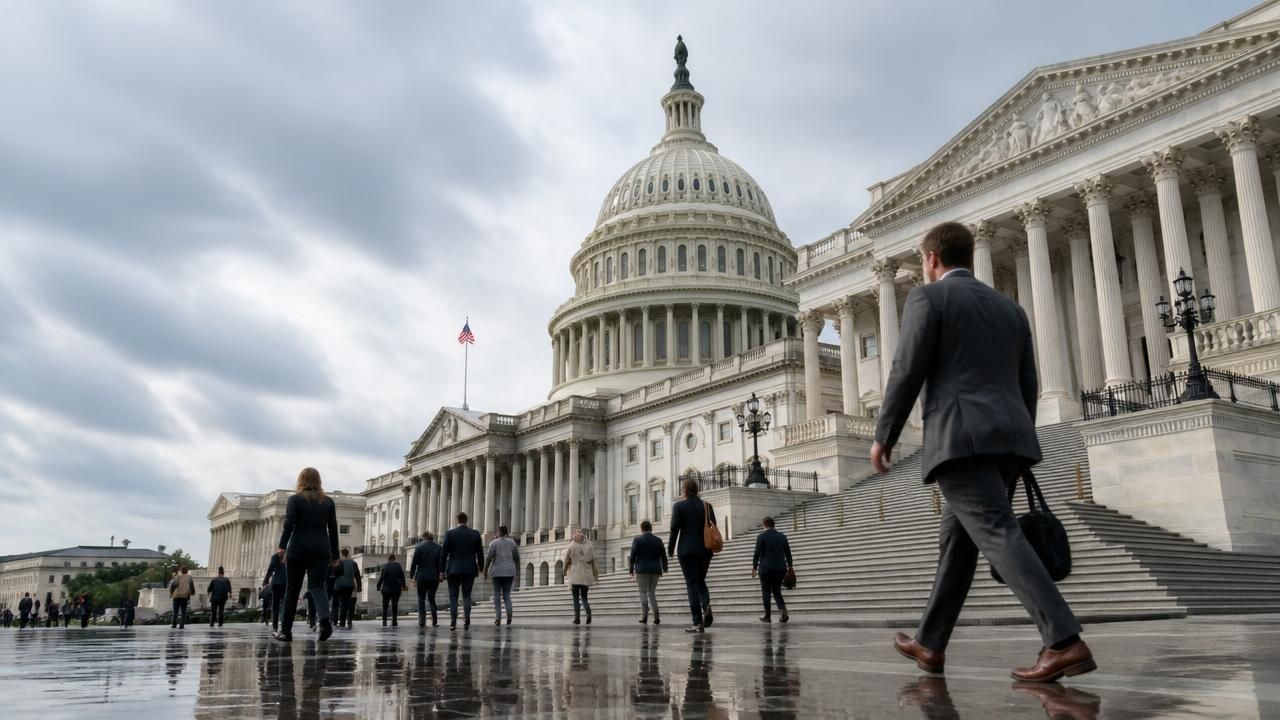
Congress returns for its post-election lame-duck session with an unusually crowded to-do list and one item that has quietly united an improbable coalition: overhauling the way Washington permits large infrastructure projects. A bipartisan permitting reform deal negotiated in the Senate is now poised for a House vote, and the officials closest to the process are betting it survives the compressed, politically volatile calendar.
Emily Domenech, executive director of the Federal Permitting Improvement Steering Council — the interagency body created to coordinate reviews of major projects — said in an interview with Bloomberg that she thinks there is a "good chance" the Senate-passed package clears the House during the lame duck. Her reasoning rests less on partisan alignment than on a shared frustration that has been building for years on both sides of the aisle.
"Lawmakers from both sides of the aisle have recognized how important it is to make it easier to build in America," Domenech said, adding that holding that coalition together through the final stretch will be "crucial and difficult."
The Coalition Behind the Deal
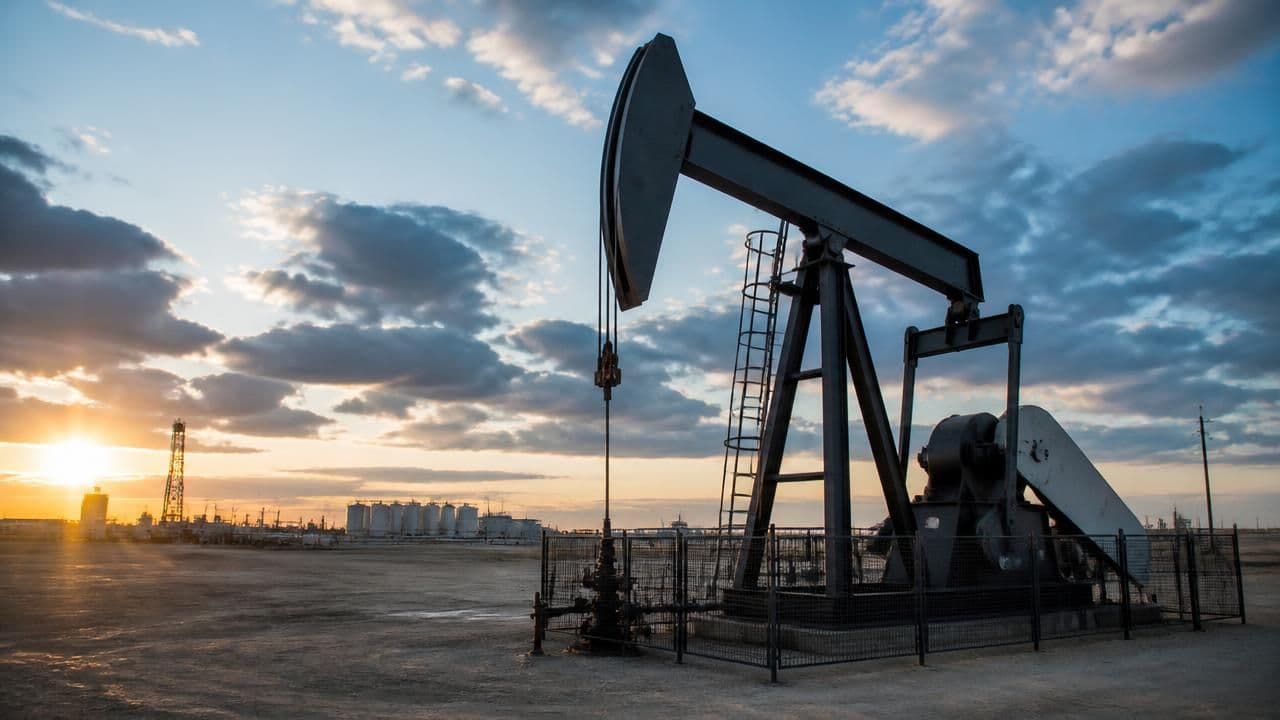
The push reflects a rare convergence of priorities. Republicans have long argued that environmental reviews under the National Environmental Policy Act, or NEPA, are weaponized to delay fossil fuel and nuclear projects; Democrats, galvanized by the subsidies in the 2021 infrastructure law, the CHIPS and Science Act and the Inflation Reduction Act, want to ensure that federally funded factories, transmission lines and clean-energy projects can actually be built within the decade rather than litigated into oblivion.
That dual rationale is why the deal has drawn support from senators in both parties and why regional outlets are covering it through markedly different lenses. Bloomberg frames the story around the machinery of governance — an obscure coordinating council and its optimism about vote math. West Virginia outlets frame it around what the legislation would mean for a state whose economy is bound up in pipelines, gas production and heavy industry. Washington trade press, meanwhile, treats it as a live negotiating story, with POLITICO's E&E News tracking where the talks stand and MSN's energy newsletter carrying Sen. Scott Peters' read on the substance.
West Virginia's Stake
In West Virginia, business interests are openly hopeful the bill makes it through the lame duck, according to WV MetroNews, which reported that state commercial groups see permitting timelines as a binding constraint on investment. Sen. Shelley Moore Capito and colleagues have publicly praised the bipartisan agreement and are looking ahead to a vote — a signal that the legislation's backers intend to keep pressure on House leaders to schedule floor time.
The state is a useful case study. The Mountain Valley Pipeline's years-long entanglement in litigation and permitting disputes became a national emblem of the problem, and it ultimately required an explicit congressional directive in the 2023 debt-ceiling law to proceed. That precedent cuts both ways: it proved Congress can act, and it showed how blunt the workaround had to be.
The AI Wildcard
One of the more intriguing developments is the pairing of permitting reform with artificial intelligence policy. Rep. Lori Trahan has placed both on her lame-duck wish list, according to the Worcester Business Journal — a combination that reflects the energy demands of the AI buildout. Data centers, whose power needs are expanding fast enough to strain grid planners, depend on the same approvals pipeline as transmission lines and generation capacity. For a growing number of lawmakers, permitting reform is no longer just an energy or environmental issue; it is industrial policy and, increasingly, tech policy.
Why the Lame Duck — and Why It's Hard
Lame-duck sessions are historically where Congress disposes of the difficult. Members facing no immediate electoral consequence can cast votes they would avoid in an election year, and leadership can assemble coalitions that cross party lines. But the same dynamics make the window fragile: the session is short, must-pass spending legislation competes for floor time, and any late amendment on NEPA scope, judicial review standards or transmission siting authority could unravel the bargain.
There is also the memory of 2022, when a permitting deal negotiated by Sen. Joe Manchin in exchange for his vote on the Inflation Reduction Act collapsed after progressive and conservative members alike balked. The episode left lasting distrust on all sides and taught negotiators to write a narrower bill. The 2023 Fiscal Responsibility Act subsequently enacted modest NEPA changes — page limits on environmental impact statements and tighter timelines — but supporters say it did not go far enough.
- What's at stake: Whether major projects can move from approval to construction in years rather than decades.
- Who's watching: Utilities, pipeline developers, transmission planners, data-center operators and organized labor.
- The obstacle: A short calendar and a coalition with little margin for error.
What Comes Next
If the House takes up and passes the Senate package, it would be among the more consequential procedural reforms in decades — less visible than a tax cut or a spending bill, but arguably more durable in its effect on capital allocation. Investors in energy, utilities and industrial projects have priced in a degree of permitting risk for so long that any shortening of timelines could shift where money goes.
If it fails, the coalition will have to reconstitute itself in a new Congress with a different political arithmetic. Domenech's assessment — that the votes may be there, but only if lawmakers keep faith with a fragile bipartisan understanding — is likely the most honest forecast available. The bill's fate now rests on whether that recognition of shared interest outlasts the pressures of a session's final weeks.