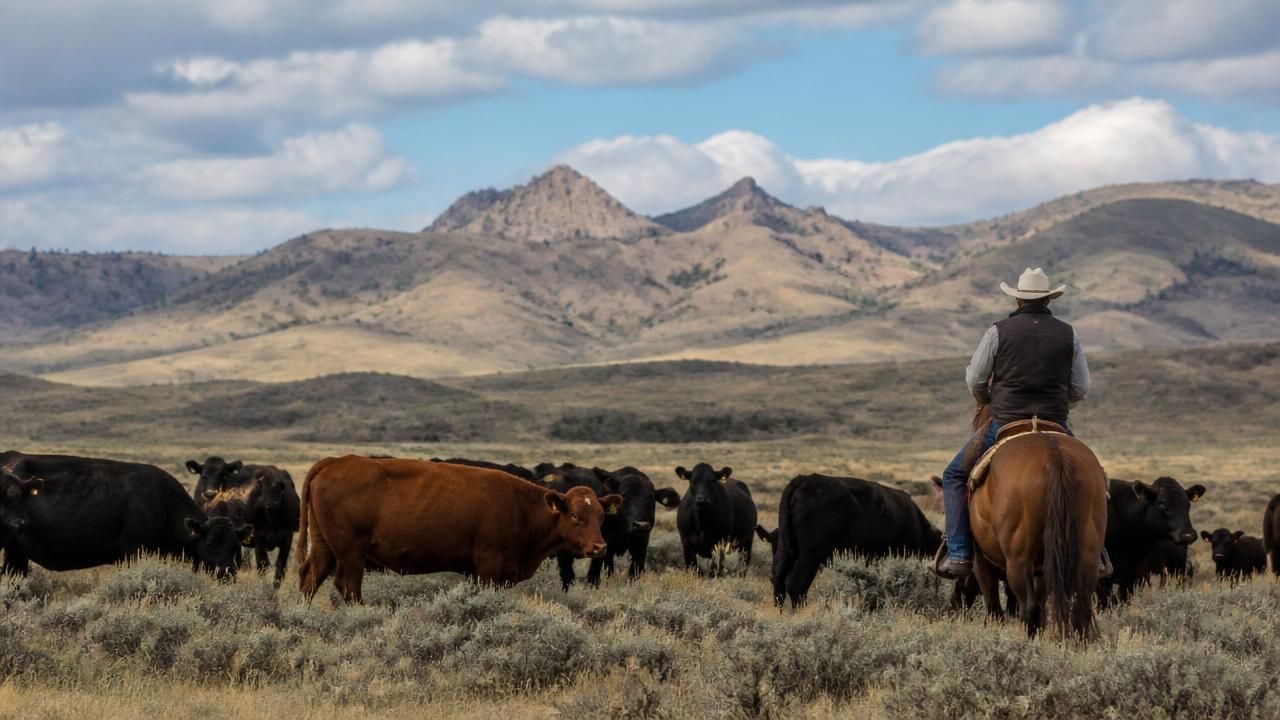
The Bureau of Land Management (BLM) is rewriting its regulations for livestock grazing on public lands for the first time since 1995, proposing changes that would expand grazing across 155 million acres in the West—an area twice the size of New Mexico. The overhaul has ignited a fierce debate, with ranching groups cheering looser restrictions while environmentalists, unions, and public lands advocates warn of environmental degradation and reduced public involvement.
What the New Rules Propose
The proposed regulations, announced by the Interior Department, aim to increase the number of cattle, sheep, and other livestock on BLM-managed lands. According to Ars Technica, the rules would streamline permitting and reduce bureaucratic hurdles, making it easier for ranchers to expand operations. The BLM argues the changes will support rural economies and improve rangeland health through flexible management strategies.
However, critics contend that the new rules prioritize grazing over other uses, such as conservation, recreation, and wildlife habitat. Western Priorities noted that the overhaul cuts public participation, limiting opportunities for stakeholders to comment on grazing permits. “The BLM is silencing the public on public lands,” said a spokesperson for the group.
Union Warns of ‘Chaos’ in Forest Service
Adding to the controversy, the U.S. Forest Service is simultaneously undergoing a major reorganization that unions say is illegal and risks chaos across public lands. The Guardian reported that the Forest Service’s overhaul, which includes staff cuts and restructuring, has been condemned by the National Federation of Federal Employees as violating federal law. “This is an illegal reorganization that will cause chaos for land management and wildfire response,” the union claimed.
The cuts come as the agency struggles to manage wildfires and maintain trails. PBS News highlighted concerns that reduced staff could hamper firefighting efforts and degrade public lands. “We’re already stretched thin,” one Forest Service employee told PBS. “This will make it worse.”
Ranchers Celebrate, Environmentalists Fume
Western stockgrowers have welcomed the BLM’s grazing rule changes. Wyoming News reported that ranchers see the loosened regulations as a lifeline for struggling operations. “This is a step in the right direction for responsible grazing,” said a representative from the Wyoming Stock Growers Association. “It allows us to manage our herds more effectively while still caring for the land.”
Environmental groups, however, argue that overgrazing has already degraded public lands, harming water quality, soil health, and biodiversity. A 2023 investigation by ProPublica and High Country News found that the current system subsidizes wealthy ranchers while failing to address environmental harms. “The BLM is doubling down on a failed model,” said an ecologist quoted in the report.
Historical Context and Data Points
The current grazing system dates back nearly a century, originally designed to manage livestock on public lands in the West. Today, about 155 million acres are open to grazing, with permit holders paying fees far below market rates. Critics have long called for reforms to balance economic needs with conservation.
According to data from the BLM, livestock grazing on public lands contributes less than 2% of the nation’s beef supply but accounts for significant environmental impacts, including soil erosion and stream degradation. Climate change exacerbates these issues, with droughts and wildfires becoming more frequent.
Differing Perspectives: How Outlets Frame the Story
The coverage varies widely by outlet. Ars Technica emphasizes the environmental costs and reduced public input, framing the rule as a gift to wealthy ranchers. The Guardian focuses on the Forest Service’s “illegal” overhaul, highlighting union opposition. PBS News zeroes in on wildfire risks, while Wyoming News presents the ranchers’ perspective as a positive development. Western Priorities and MSN opinion pieces criticize the lack of public engagement and single-use focus.
“Grazing shouldn't be the only priority for public lands,” reads an opinion piece on MSN. “We need a balanced approach that considers conservation, recreation, and climate resilience.”
Implications and Next Steps
The BLM’s proposed rule is open for public comment, but critics argue the process itself is flawed. Meanwhile, the Forest Service reorganization faces legal challenges. The outcomes could reshape land management for decades, affecting ranchers, hikers, wildlife, and firefighters.
As the debate unfolds, one thing is clear: the future of America’s public lands hangs in the balance, with competing visions of their use clashing in the halls of government and on the ground.