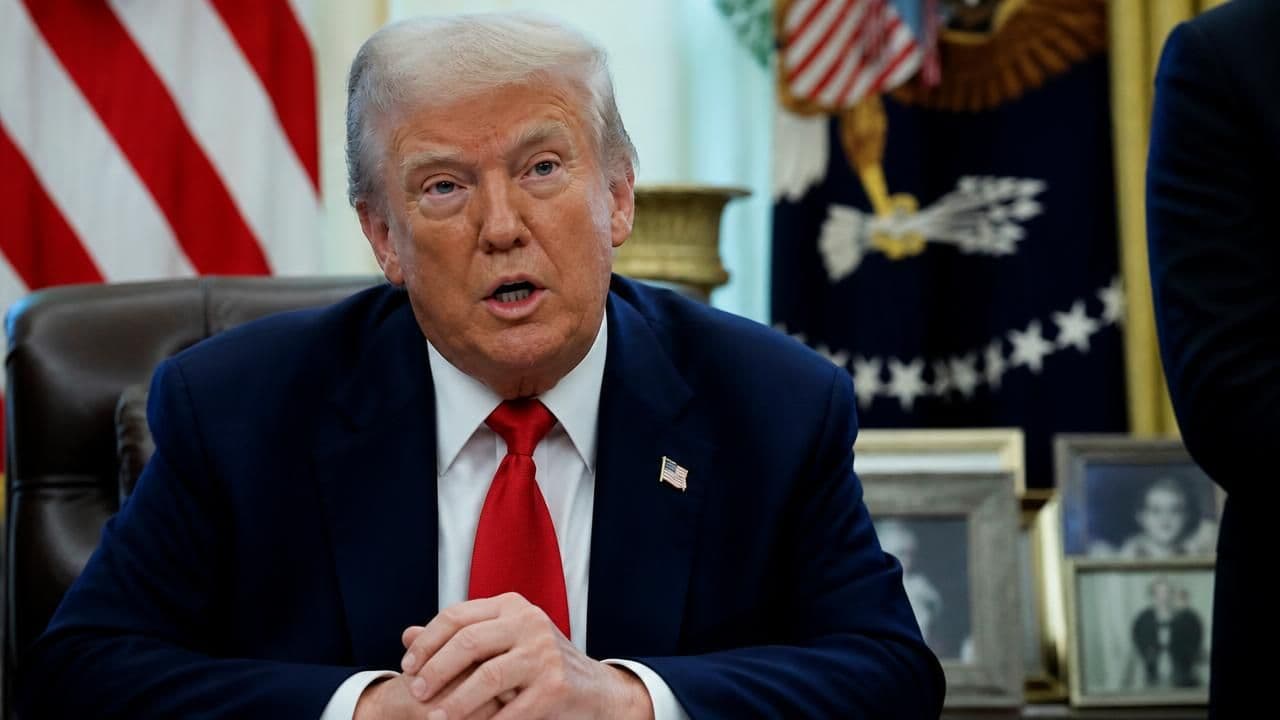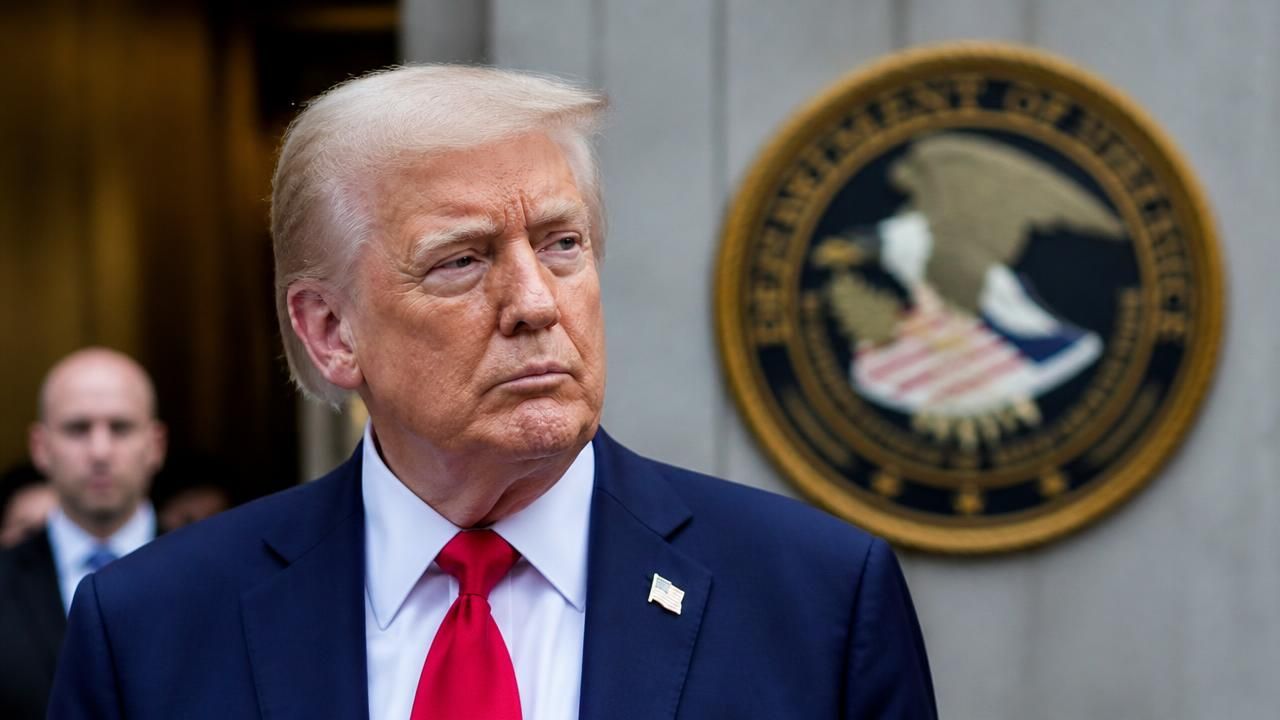
An expansive Justice Department inquiry launched at the direction of President Donald Trump to investigate his political adversaries has effectively collapsed, according to a New York Times deep dive that has rapidly become the most-discussed political story of the week. The investigation, which allies once billed as the mechanism for exposing a "grand conspiracy" against the president, has instead buckled under staffing shake-ups, internal disputes and persistent difficulty finding evidence to support its founding premise.
The story, first published by The New York Times under the headline "How Trump's Revenge Campaign Descended Into Turmoil," was quickly amplified across the political media ecosystem, with aggregators and legal blogs summarizing it in blunter terms: "Trump Justice Department Probe Into His Foes Collapses" and "Trump revenge plot implodes as multiple insiders jump ship."
A 'Grand Conspiracy' Meets Reality
According to the Times account, the inquiry was constructed around an ambitious theory: that a coordinated network of government officials, political operatives and others had conspired against Trump, and that the Justice Department could document that network through a sweeping investigative effort. That theory, however, proved far easier to assert in public than to substantiate in a courtroom or a grand jury room.
Investigators reportedly struggled to convert political grievances into prosecutable cases. Witnesses who were expected to corroborate the conspiracy narrative did not always do so, and leads that initially appeared promising tended to fray under scrutiny. The result was an investigation that consumed significant resources while producing little in the way of the sweeping indictments its architects had hinted at.
Staffing Shake-Ups and Internal Feuds
The Times reporting describes an operation marked by turnover and friction. Personnel changes disrupted continuity, and disagreements over legal strategy and the scope of the probe created factions inside the effort. Career prosecutors and political appointees reportedly clashed over evidentiary standards and over how aggressively to pursue targets.
"The president's allies have sought to prove a 'grand conspiracy' through a sprawling Justice Department inquiry. It has buckled under staffing shake-ups, internal disputes and trouble finding evidence."
That framing, from the Times, captures the central tension: an investigation whose political ambitions outpaced its legal footing. The departures described in the coverage, which aggregators characterized as insiders "jumping ship," suggest that even participants grew skeptical of the enterprise's viability.
The Political Prize
Not every outlet emphasized the collapse. Politico's coverage, headlined "Trump's real prize," framed the matter through a strategic lens, suggesting that the value of such an inquiry may lie less in indictments than in the political and institutional effects it produces: the chilling of dissent, the reshaping of enforcement priorities, and the message sent to future officials about the costs of crossing the White House.
That reading reframes the story. Under the Times' interpretation, the inquiry is a failure because it could not find evidence. Under Politico's, the absence of evidence may not register as failure at all if the political objective, deterrence and disruption, was achieved along the way. The two framings are not mutually exclusive, but they point toward very different conclusions about what the episode means.
How the Story Is Being Framed
- The Times: A revenge campaign that descended into turmoil, undermined by its own disorganization and the weakness of its underlying claims.
- Politico: A probe whose true payoff is political rather than prosecutorial.
- Aggregators and MSN: Blunt headlines declaring the probe "collapsed" and "imploded," emphasizing insider departures.
- Legal commentary: Blogs such as the Election Law Blog have highlighted the Times piece as essential reading on the intersection of law enforcement and political retribution.
The divergence in emphasis reflects a broader media pattern. Outlets oriented toward institutional watchdog reporting focus on competence and evidence. Outlets oriented toward political strategy focus on incentives and consequences. Both are addressing the same set of facts from opposite ends of the lens.
What Comes Next
The practical consequences remain unsettled. An investigation that has lost momentum may still generate isolated charges, and its targets may remain under scrutiny for months. Meanwhile, the Justice Department faces questions about how it will handle the cases already opened and whether other politically charged inquiries will proceed on similar terms.
Perhaps the most durable effect is institutional. An enforcement apparatus that pursues adversaries without producing evidence risks eroding public confidence in the department's independence, a concern that career officials have raised repeatedly during previous episodes of political pressure on federal law enforcement.
For now, the emerging consensus across the coverage is that the revenge campaign, as a legal project, has stalled. Whether it succeeds as a political one is a question that will be answered less in courtrooms than in the broader contest over how Americans interpret the use of state power against political opponents.