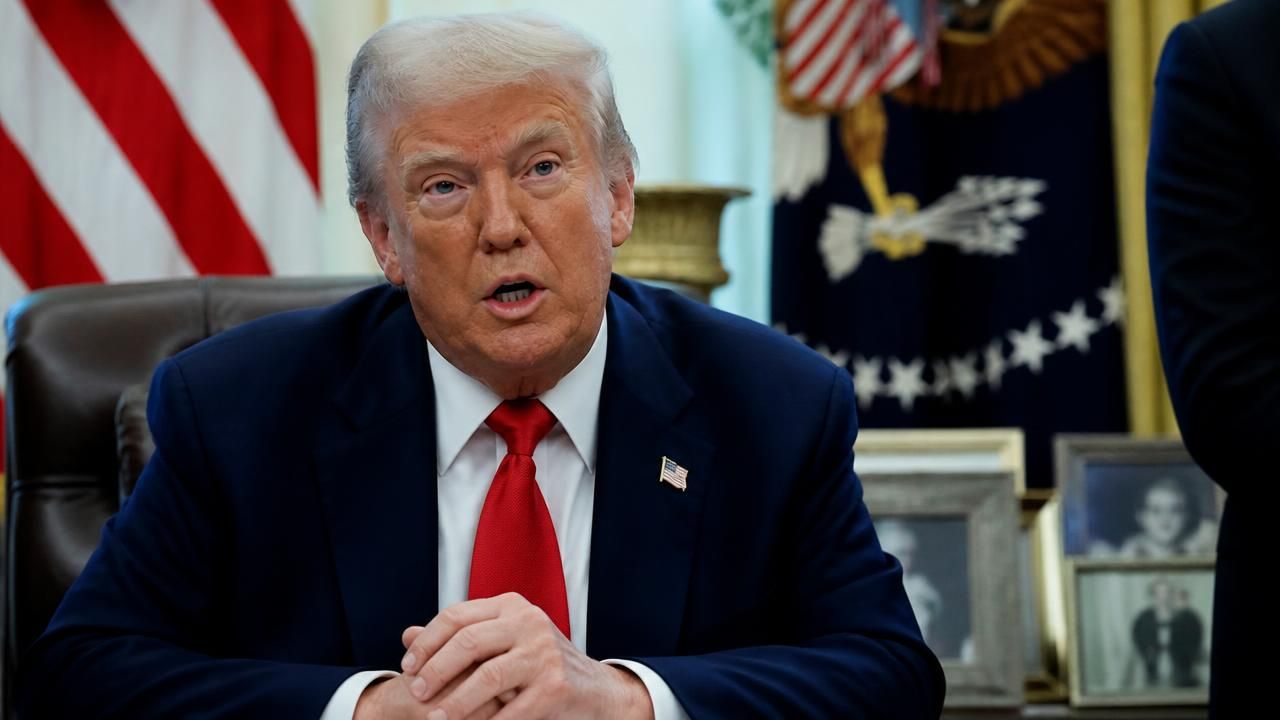
President Donald Trump said the United States will not resume military strikes on Iran before the Nov. 3 midterm elections, a striking admission that the trajectory of a simmering war is now entangled with the domestic political calendar. The remark, confirmed across a rapid-fire sequence of briefings and social media posts, was carried by Reuters, The Associated Press, Bloomberg, Al Jazeera, UPI and Politico within minutes of one another — an unusual unanimity that itself underscored how closely Washington and foreign capitals were watching the signal.
Trump described the pause as a scheduling matter rather than a strategic one. Asked whether an expanded conflict could damage his party's fortunes, he allowed that "it's possible" an Iran war could cost him the midterms — a candid concession from a president who has typically framed national security as a political asset rather than a liability.
A War on Hold, Not a War Ended
The announcement lands amid what UPI characterized as a "war stalemate" — a grinding exchange that has neither produced a decisive military outcome nor a diplomatic off-ramp. Even as Trump ruled out near-term strikes, his administration issued a fresh round of Iran sanctions, suggesting that economic pressure will substitute for kinetic action in the interim.
The White House also signaled that diplomacy is not dead. Trump said he expects talks with Iran to resume within the week, after having rejected an earlier proposal floated by intermediaries. That sequencing — reject a proposal, tighten sanctions, forecast new talks, and freeze strikes — left analysts parsing whether the pause was a genuine opening or a tactical delay.
"Is Trump signalling a return to war with Iran after the midterms?" asked one MSN headline, capturing the question animating both cable panels and foreign ministry inboxes.
That framing reflects a broader divergence in how outlets are treating the story. Wire services such as Reuters and AP emphasized the literal commitment — no strikes before Election Day — while opinion and analysis verticals emphasized its conditional architecture. Al Jazeera and Bloomberg placed the statement in the context of regional escalation risk; Politico and MSN foregrounded the electoral math. The gap matters: a pause with a stated expiration date is a different instrument than a de-escalation.
Domestic Front: An ICE Shooting in New York
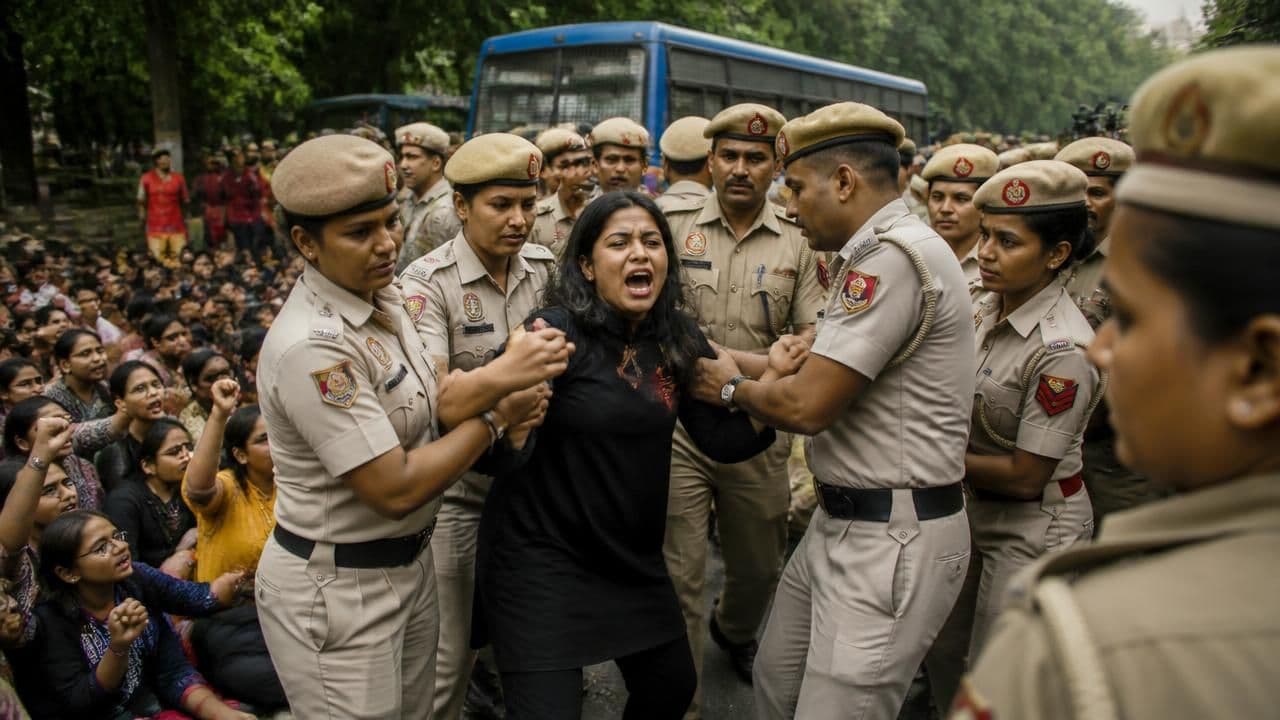
The Iran announcement did not arrive in a vacuum. In New York, a 28-year-old man was hospitalized after an ICE agent shot him in the neck, according to NPR, which reported the man was receiving treatment. The episode quickly became a political flashpoint.
New York Mayor Mamdani called on Trump to halt ICE operations in the city, a demand carried by the AP's live blog and by Arabic-language outlet Asharq Al-Awsat. The request sets up a direct confrontation between City Hall and federal immigration enforcement at precisely the moment the White House is asking voters to focus on national security abroad.
The Campaign Trail Runs Through It
With the midterms days away, the president's schedule has become its own story. Trump boosted Republican candidates at a rally in Oklahoma and spoke at a Texas truck factory, according to NBC News live coverage. He also planned to attend college football on Saturday — a fixture the midterms were not expected to dislodge, though a hurricane might, per the Twin Cities Pioneer Press.
Elsewhere on the campaign map, Senate candidates faced off in debates across key midterm states, while Pennsylvania Democrats said they were doubling down on election protection measures amid what they described as threats from the Trump administration, the Pennsylvania Capital-Star reported.
Not every Republican is eager to hitch a ride on the president's coattails. MSN highlighted Senator Susan Collins of Maine — described as "a political survivor" — working to outrun Trump in her reelection effort, a familiar pattern for a lawmaker whose brand depends on measured distance from her party's leader.
Vice President Vance, meanwhile, told audiences that voters are too focused on "little things" ahead of the midterms, a remark that drew immediate scrutiny as an attempt to reframe the closing argument.
Alarm From Critics, Anxiety Among Allies
Critics have accused the president of taking extraordinary steps to shape the midterm environment, with MSN reporting that the moves have alarmed democracy-watchdog groups and former officials. Letters to the editor in outlets including Yahoo News urged the president to keep "hands off free, fair elections," reflecting a persistent undercurrent of concern that has become a recurring feature of the Trump-era news cycle.
The New Republic, for its part, catalogued a separate Trump claim about French school protests, part of a steady stream of assertions that fact-checkers have struggled to keep pace with.
What to Watch
- Whether talks actually resume. Trump predicted negotiations would restart this week after rejecting an earlier proposal; a no-show would undercut the diplomatic framing of the strike pause.
- The sanctions calendar. New measures signal that pressure will continue even without strikes — and could themselves trigger Iranian retaliation.
- Nov. 3 as a hinge. If the pause is genuinely election-driven, the days immediately following the vote become the most consequential window for escalation.
- New York. Mayor Mamdani's demand for an ICE withdrawal tests how far a city can push back against federal enforcement.
For now, the president has done something rare: he has attached a date to a de-escalation. Whether that date marks a ceiling on the conflict or merely a countdown is the question that will define the next several weeks — and possibly the next several years of American foreign policy.