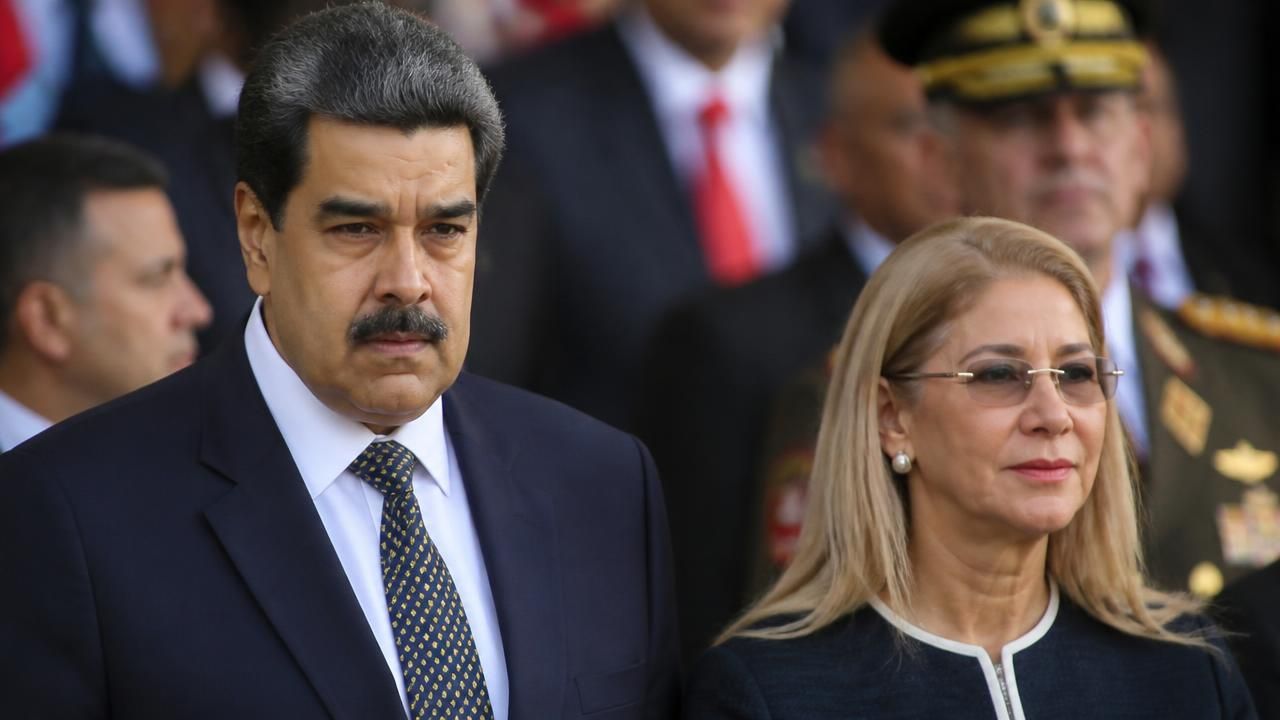
U.S. authorities have unsealed a new federal indictment charging former Venezuelan President Nicolás Maduro and his wife, Cilia Flores, with conspiring to torture Americans and political opponents held in Venezuelan prisons, dramatically expanding a criminal case that has shadowed the couple for years.
The new counts, which sources told CBS News were expected before the indictment was made public, add allegations of conspiracy to commit torture and illegal detention to a docket already dominated by narcotrafficking accusations. NPR reported that U.S. authorities had "added new torture charges to their case" against Maduro, describing him as an "ousted authoritarian leader already fighting drug trafficking allegations."
What the indictment alleges
According to accounts of the charging documents carried by the New York Times, Newsday, the BBC, Times of India and other outlets, prosecutors allege that Maduro and Flores ordered or directed the torture of detainees — including U.S. citizens — inside Venezuelan prisons, and that they conspired to hold people unlawfully.
The indictment alleges a conspiracy to commit torture and the illegal detention of Americans and Venezuelan opponents — conduct prosecutors say was directed from the top of the former government.
The Sun's headline, which described an "American prisoner forced to eat own VOMIT," reflects how some tabloid outlets seized on the most graphic alleged details. The Daily Mail framed the development as the "Trump DOJ" slapping Maduro with "new bombshell torture charges," emphasizing the political authorship of the case in Washington. More sober outlets, including the BBC and India's Daijiworld, stressed the phrase "conspiracy to commit torture," while NPR and Newsday foregrounded the American victims.
The precise number of alleged victims, the dates of the alleged conduct and the specific facilities involved were not fully detailed in early reports, which drew on the unsealed filing and briefings from people familiar with it.
A case built over years
The torture counts do not arrive in isolation. They are layered onto a prosecution that dates to 2020, when the Justice Department indicted Maduro in the Southern District of New York on narco-terrorism charges, accusing him of leading a drug-trafficking conspiracy in partnership with Colombian guerrilla groups. Washington has since steadily raised the reward offered for information leading to his arrest and conviction, and has sanctioned dozens of current and former Venezuelan officials.
That legal architecture now includes Flores, who until this week was best known internationally as a former first lady, National Assembly president and one of the most powerful figures in the ruling party. MSN reported that Flores is expected to press for her release from U.S. jail, an indication that she is in American custody and that a bail fight is likely to follow. It was not immediately clear from the early reporting whether Maduro himself is in U.S. hands.
Divergent framings across the press
The story's coverage revealed sharply different editorial priorities:
- U.S. outlets (NPR, CBS News, Newsday, the New York Times) emphasized the American victims and the escalation of an existing criminal case.
- International outlets (BBC, Times of India, Daijiworld) stressed the charge of conspiring to torture "opponents," casting the indictment as a broad human-rights reckoning.
- Tabloid and partisan-leaning outlets (Daily Mail, the Sun) led with the most visceral alleged details and with the Trump administration's role in bringing the charges.
- Aggregators such as MSN carried multiple versions of the same wire copy, under headlines that varied from "Maduro faces more charges" to "wife of Venezuela's Maduro to press for release from US jail."
Several outlets, including Newsmax and MarketScreener, blocked access to their coverage, leaving the fullest details of the filing to those able to read the unsealed document directly.
Why it matters
The indictment is as much a geopolitical signal as a legal document. Washington has spent years trying to isolate Maduro's government through sanctions, recognition of opposition figures and criminal prosecution of his inner circle. Adding torture charges involving U.S. citizens raises the political cost of any future negotiation over sanctions relief, migration cooperation or oil exports — issues that have repeatedly brought U.S. and Venezuelan officials to the table.
For Venezuelans, the charges revive a painful debate over state repression: the use of detention, mistreatment and forced confessions against government opponents. Human rights groups have long documented abuses in Venezuelan prisons, but a U.S. criminal indictment carries a different weight, converting years of testimony into formal allegations that can be cited in international forums.
For the Justice Department, the practical hurdles remain formidable. Extradition is unlikely absent a change in political control in Caracas or custody of the accused. Historically, U.S. courts do not try defendants in absentia, meaning the case may function for now as a lever of pressure and a public record rather than a proceeding heading toward trial.
Still, the symbolism matters. A U.S. indictment naming both a former president and his wife, alleging torture and unlawful detention, closes a circle that began with drug-trafficking charges and now encompasses the treatment of the people Maduro once governed — and of Americans held in his prisons. What happens next will depend less on the courthouse and more on the politics of two capitals that have spent a decade staring each other down.