South Korea said it will take legal action if an investigation confirms that shipments of fuel from its ports to Russia violated domestic law, responding to a Guardian investigation that reported thousands of tonnes of refined petroleum had been transported to Russia despite the international sanctions regime imposed over Moscow's invasion of Ukraine.
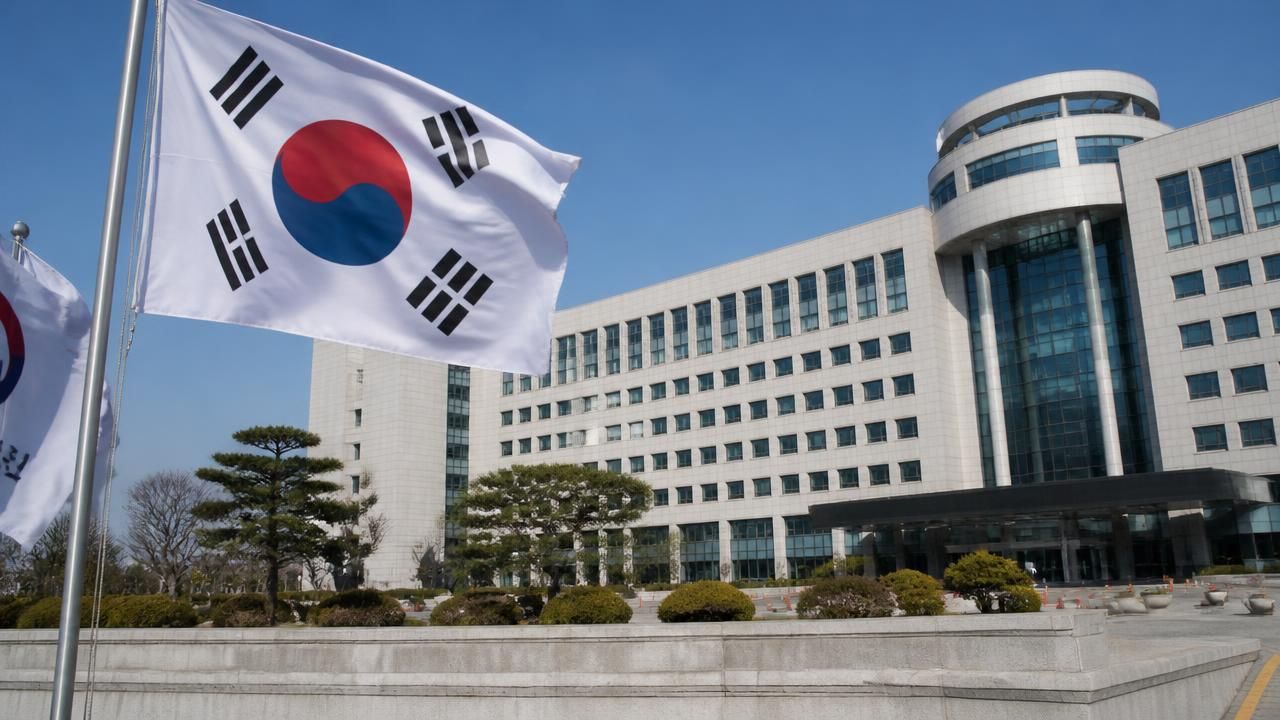
The statement, issued jointly by the foreign ministry, the trade ministry and the Korea Customs Service, marked Seoul's first formal response to the report. The government said it was “checking additional information concerning the loading cases reported by the Guardian” and would act if the facts warranted it.
“If the verification establishes that our laws and regulations have been violated, it plans to act in accordance with the law.”
The carefully worded pledge — investigate first, enforce later — left open the central question of whether any laws were broken, and set the stage for a diplomatic and legal fight that now involves Seoul, Kyiv, Moscow-friendly supply chains and the Western allies pressing South Korea to tighten its export controls.
Seoul's position: verification before enforcement
Officials framed the matter as a compliance question rather than a political one. The joint statement did not confirm the volume of fuel involved, identify the companies allegedly responsible, or say when any enforcement action might follow. It also did not dispute the Guardian's reporting directly, instead describing an ongoing verification process.
That posture is consistent with Seoul's broader approach to sanctions enforcement since 2022, when it joined international export controls on Russia without adopting the kind of unilateral secondary sanctions used by the United States and the European Union. South Korean authorities have repeatedly said they police shipments through customs screening and end-user verification rather than blanket embargoes on all trade.
Ukraine's allegation
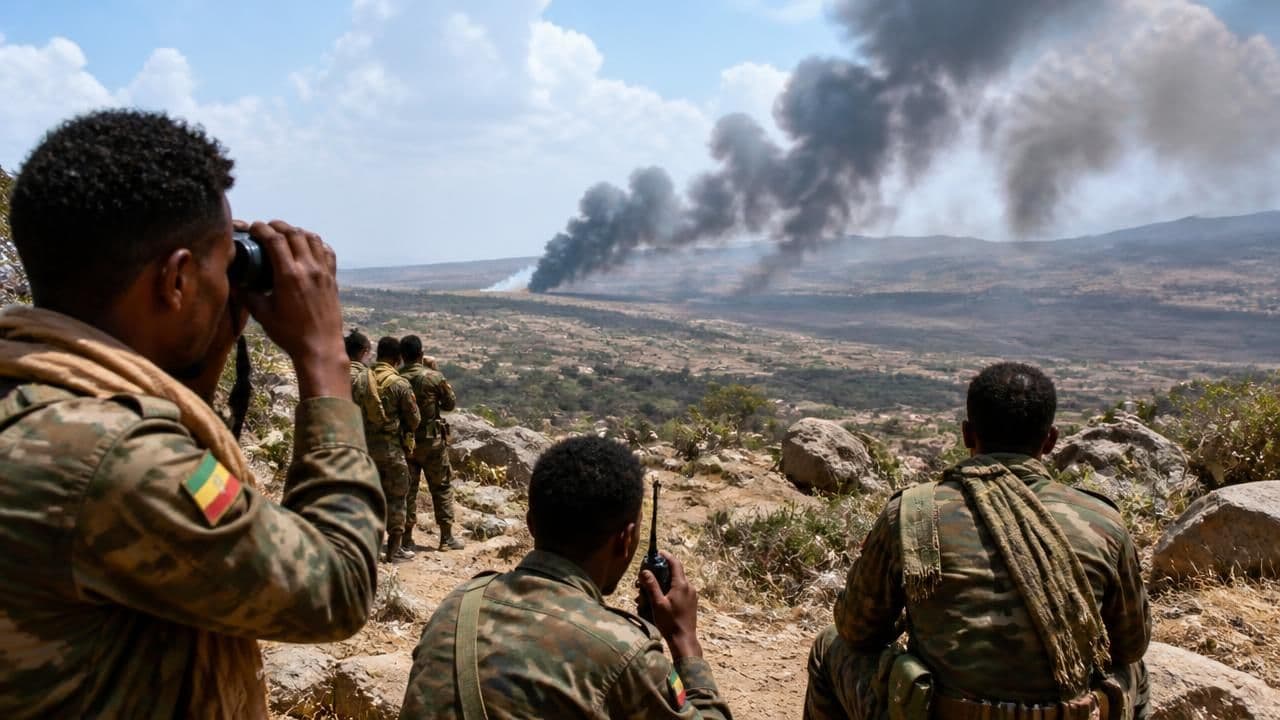
Ukrainian officials have gone considerably further. According to ABC News, Kyiv alleged that South Korean exports helped ease a fuel crisis inside Russia caused by Ukrainian drone strikes on refineries, which have repeatedly knocked out a significant share of Russian refining capacity and forced Moscow to import or divert product from abroad.
For Ukraine, the allegation is less about a single cargo than about the resilience of Russia's fuel market. If refined product continues to flow into Russia from major exporting economies, the argument runs, drone campaigns that disrupt refineries lose much of their strategic bite — the supply gap is simply filled from elsewhere.
A denial from the presidential office
The picture grew more contested when the presidential office, referred to in some reports as Cheong Wa Dae, denied the Ukrainian claim outright, according to UPI. That denial sits awkwardly alongside the government's simultaneous promise to pursue legal action if violations are found — a discrepancy that reflects the competing pressures on Seoul.
On one side, the government must avoid appearing to have facilitated sanctions evasion. On the other, it cannot accept allegations of wrongdoing before its own investigation concludes, particularly when the accusation comes from a foreign government and could expose Korean refiners to reputational and commercial damage.
How the story is being framed
Different outlets have emphasised different threads of the same event:
- The Guardian centred the original investigation and the trade it documented, prompting Seoul's formal response.
- ABC News led with Ukraine's claim that Korean exports cushioned the impact of drone strikes on Russian refineries.
- UPI foregrounded the presidential office's denial of that claim.
- Devdiscourse and aggregators such as MSN focused on the legal-action pledge, presenting the story as a question of compliance rather than geopolitics.
The divergence matters. Read one way, the story is about a government promising to enforce its own rules. Read another, it is about whether a key Western-aligned economy quietly functioned as a pressure valve for the Russian fuel market.
Why refined fuel is the pressure point
South Korea is one of the world's largest exporters of refined petroleum products, with major refineries clustered around Ulsan, Yeosu and Onsan. That scale makes its export flows commercially significant far beyond Northeast Asia, and it makes Korean product attractive to buyers seeking non-Western or non-sanctioned supply.
Russia, meanwhile, has faced periodic fuel shortages and price spikes as Ukrainian strikes have hit refining capacity. The resulting import demand has drawn scrutiny to intermediaries — traders, ship-to-ship transfers, and third-country ports — that can obscure the ultimate destination of a cargo, even when the original loading point is recorded.
What happens next
The immediate focus is on Seoul's verification process: which cargoes, which companies, and which regulations apply. Enforcement could range from administrative penalties and customs restrictions to criminal referral, depending on what investigators find. South Korea's sanctions framework penalises exports of strategic goods to Russia without the required authorisation, and refined fuel has been folded into restrictions as the war has dragged on.
The case is also likely to be raised in diplomatic channels with Washington and Brussels, both of which have pressed allies to close loopholes in the oil price cap and related measures. Moscow has not commented substantively, and no independent confirmation of the cargoes has been made public.
For now, Seoul has bought itself time with process: an investigation, a conditional promise of enforcement, and a denial aimed at Kyiv's most damaging assertion. Whether that holds depends on what the verification turns up.