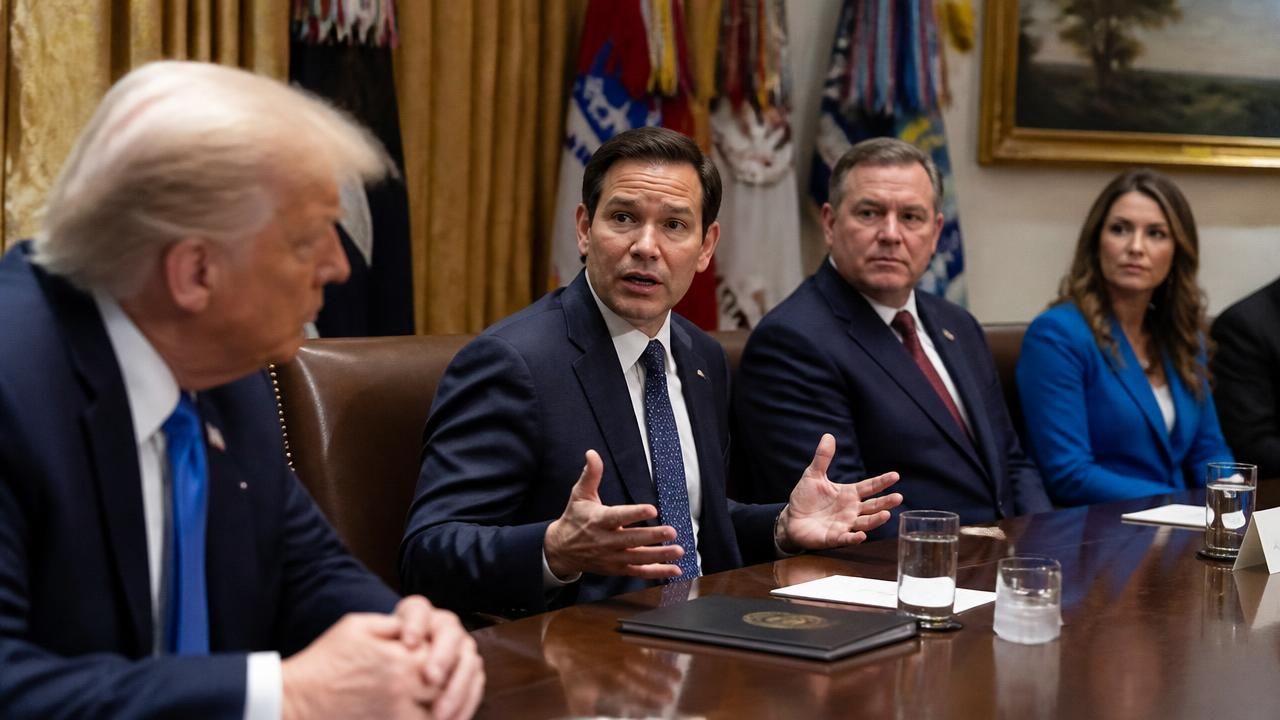
Republican candidates in some of the country's most reliably red states are quietly — and in some cases openly — putting distance between themselves and President Trump, a striking shift that party strategists describe as a calculated bet on survival ahead of the midterm elections.
According to reporting by The New York Times, a growing number of GOP contenders in key battlegrounds are making "calculated decisions to distance themselves" from the president and his policies. The framing from one MSN headline was blunter: "He is kryptonite."
The phenomenon is not confined to swing districts. In Michigan, Republicans have broken with Trump on the Iran war, artificial intelligence policy and data centers, according to NBC News. In Wisconsin, candidates have sought to separate themselves from the president, rising gas prices and the conflict with Iran. And in a signal of how far the divergence has spread, Lisa Demuth, a prominent Republican, publicly called for an end to the Iran war.
A Party Putting Distance Between Itself and Its Leader
The rupture is visible across multiple policy fronts, but no issue has exposed the GOP's internal tensions more than the war with Iran. The Bulwark framed the shift starkly, writing that "Republicans are running out of gas on Trump's Iran war." MSN's coverage of the Michigan delegation's defections reinforced the point, while NBC News reported that "several Republicans start to distance themselves from Trump as the midterms near."
Conservative commentator Bob Cusack warned that the dam could break after the elections, describing Trump supporters splitting over both the Iran war and ICE — a reference to the administration's immigration enforcement posture that has become another source of Republican unease.
"He is kryptonite." — Republican framing of President Trump's midterm drag, as reported by MSN
The conflict itself continues to generate international fallout. Live coverage of the US-Iran war reported that Iran had canceled flights as sanctions tightened, and that an Indian seafarer was killed in a strike off the coast of Oman — developments that Republican candidates in competitive states are being asked to answer for on the campaign trail.
The Map Widens: Red States Under Siege
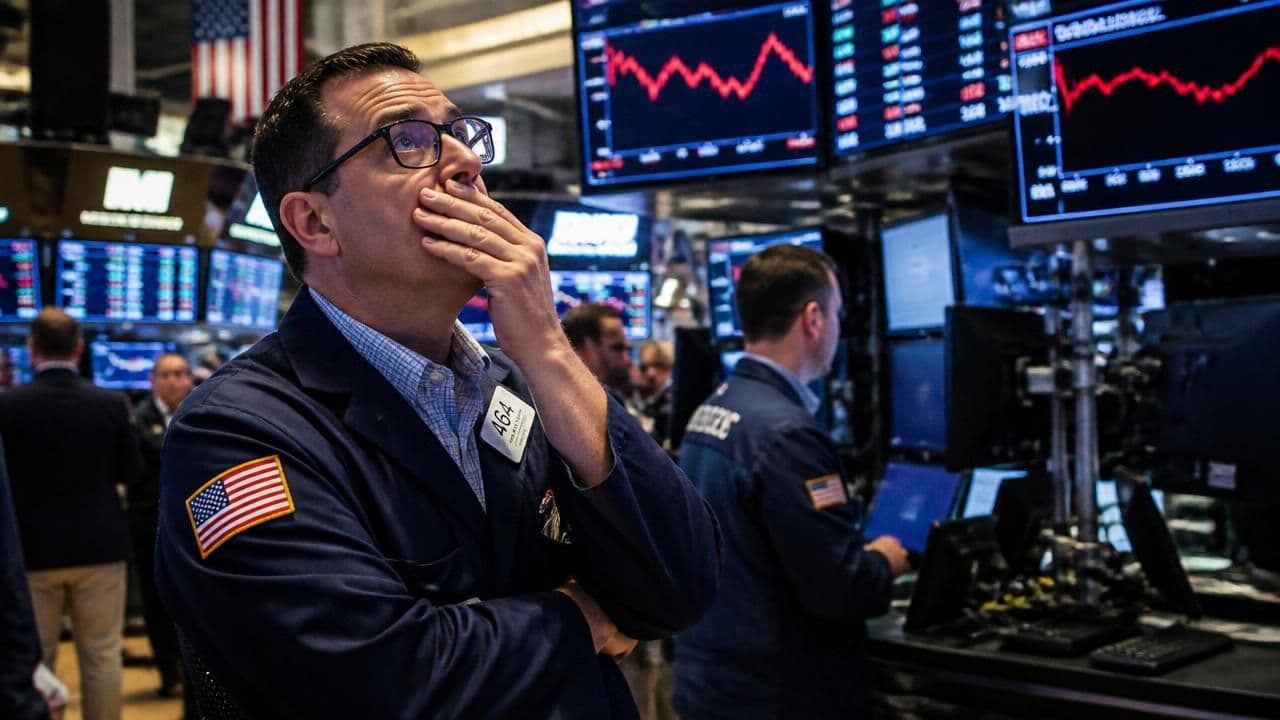
Compounding the messaging problem is a map that keeps getting worse for the GOP. The Associated Press reported that Republicans are dumping cash into red states as they try to "hold the line" against Democrats in the midterms — a defensive posture that would have seemed improbable a cycle ago. MSM headlines captured the mood inside the party: "We need to stop the contagion," one GOP strategist said, while another outlet described outright "Republican panic" over the prospects of a "massive blue wave."
The New York Times reported that Republicans are "reeling on the midterm map as deep-red areas come into play," and MSN examined how the midterms could shrink Red State America — and why that matters for governance, not just seats. An Arizona race, according to the Indianapolis Star, has become something of a temperature check on Trump's second term.
Not everyone is writing the obituary. MSN's analysis noted that Republicans face "brutal midterm headwinds" but identified six forces that could help them defy history — a reminder that midterm fundamentals, fundraising advantages and incumbency still matter. In Michigan, a new poll showing a 7-point Senate race prompted RedState to ask whether anyone should buy it, a skeptical note that underscores how unsettled the data remains.
Economic Headwinds and the 'Cheat Like Hell' Pledge
Economic pain is feeding the anxiety. Diesel prices hit a record $6 a gallon, according to MSN, a cost that ripples through trucking, agriculture and consumer goods in the rural and exurban counties Republicans must win. Rising gas prices were explicitly cited as a liability that Wisconsin candidate Tiffany sought to distance himself from.
Meanwhile, Trump's closing pledge at a convention to "cheat like hell" drew fresh attention to questions about election administration — a message that strategists worry energizes the opposition more than it mobilizes the base.
How the Outlets Frame It
- The New York Times frames the story as a strategic recalibration: candidates making cold political calculations about an unpopular president.
- MSN's aggregated coverage emphasizes alarm inside the party, using language like "kryptonite," "contagion" and "panic."
- The Bulwark focuses on the Iran war as the specific policy that has drained Republican enthusiasm.
- The Associated Press stresses the resource story: money being redirected defensively into red states.
- Conservative outlets like RedState caution against over-reading polls, suggesting the Democratic advantage may be overstated.
Columnist Jackie Calmes argued that Trump has "lost his star power, at home and abroad," while Yahoo's analysis suggested the president "seems to be doing all he can to harm GOP midterm chances" — a critique increasingly echoed by Republicans themselves.
Fanfare Abroad, Static at Home
The contrast between the president's international calendar and his domestic political standing was on full display as Trump hosted Chinese President Xi Jinping in Washington for a state dinner featuring tech executives, sea bass and what the White House billed as glitzy diplomacy. Trump hailed a "truly great friendship" with Xi and said the two leaders held a "great meeting."
But expectations were low. The Arab News described the summit as featuring "great fanfare but low expectations," and the pageantry did little to quiet Republican worries back home. For candidates in Arizona, Michigan and Wisconsin, the question is no longer whether to align with the president — it is how quickly they can put daylight between themselves and him before November.