The Environmental Protection Agency (EPA) has proposed rolling back stringent emissions standards for heavy-duty trucks and buses, a move that marks a significant shift in federal climate policy. The proposed rule, announced this week, would weaken pollution limits set under the Biden administration, which the current EPA has labeled as 'unworkable.' The changes have been celebrated by trucking industry groups but fiercely opposed by environmental advocates, who argue they will worsen air quality and undermine efforts to combat climate change.
What the Proposal Entails
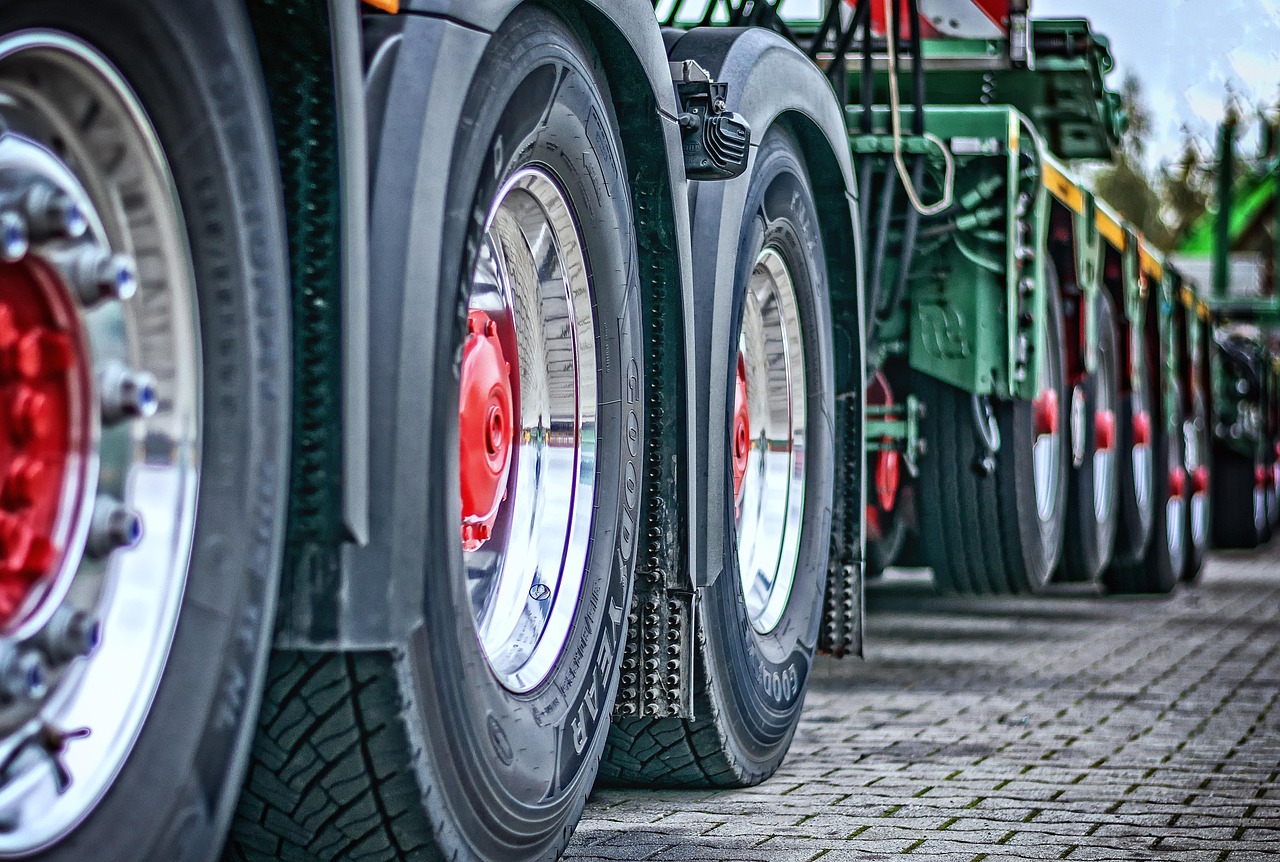
The EPA's proposal targets emissions standards for heavy-duty vehicles, including semi-trucks, buses, and delivery vans. According to NPR, the agency argues that the Biden-era rules are 'unworkable' due to technological and economic challenges. The new rule would relax requirements for nitrogen oxides (NOx) and greenhouse gas emissions, effectively slowing the transition to cleaner trucks. The Orange County Register reported that the proposal specifically eases standards for buses and trucks, which are major sources of diesel pollution in urban areas.
Inside Climate News noted that the EPA has cited an 'overwhelming rejection' of electric vehicles (EVs) by the trucking industry as justification for the rollback. However, the article also pointed to a 403 Forbidden error when attempting to access the full story, suggesting potential controversy or restricted access to the agency's reasoning.
Industry and Political Pressure
E&E News by POLITICO revealed that the White House pressured the EPA for a broad rollback of tailpipe rules, indicating top-down coordination in the policy shift. The trucking industry has long complained that the Biden standards were too aggressive and costly, particularly for smaller operators. The American Trucking Associations (ATA) praised the proposal, stating that it provides 'much-needed flexibility' and recognizes the 'real-world challenges' of adopting zero-emission technology.
Conversely, environmental groups have condemned the move. The Sierra Club called it a 'gift to polluters' that will 'disproportionately harm communities of color and low-income neighborhoods' located near highways and freight hubs. The Union of Concerned Scientists warned that weakening the rules could lock in decades of diesel pollution, undermining public health gains.
Historical Context and Implications
The Biden administration's 2023 rules were among the most ambitious in U.S. history, aiming to cut NOx emissions from heavy trucks by 90% by 2031 and promote EV adoption. They built on California's stricter standards, which the state can enforce under a Clean Air Act waiver. The Trump EPA's proposal may signal a return to the legal battles seen during the first Trump term, when the administration attempted to revoke California's waiver.
Data from the EPA shows that heavy-duty vehicles account for roughly 23% of transportation-related greenhouse gas emissions in the U.S., despite being only 5% of vehicles on the road. They are also a leading source of NOx, which contributes to smog and respiratory illnesses. The proposed rollback could delay emission reductions by years, according to analysts.
Differing Perspectives
Coverage of the proposal reflects sharp partisan divides. NPR highlighted the conflict between industry celebration and environmental outrage, while MSN's outlets (msn.com) provided brief, neutral reports. The Orange County Register framed it as a local issue, noting that California's own stricter standards may face federal preemption. Inside Climate News, despite the error, emphasized the climate angle, suggesting the administration is prioritizing industry interests over environmental goals.
"The Biden rules were unworkable from the start," said an EPA spokesperson quoted by NPR. "This proposal aligns with the administration's commitment to reducing regulatory burdens while still protecting public health."
Environmental groups counter that the rollback is based on flawed assumptions. "There is no 'overwhelming rejection' of EVs — the industry is investing billions in electric trucks," said a representative from the Environmental Defense Fund. "This is a political decision, not a technical one."
What Comes Next
The proposed rule now enters a public comment period, after which the EPA will issue a final rule. Legal challenges are expected from environmental groups and states like California, which has its own authority to set stricter standards. The outcome could shape U.S. truck emissions for decades and influence global markets, as many manufacturers are already developing cleaner trucks for other regions.
For now, the debate underscores the deep divide over climate policy in Washington. As one trucking industry executive told MSN: "We want to be part of the solution, but we can't be forced into technology that isn't ready." Environmentalists, however, see the proposal as a step backward. "This is a tragedy for public health and the climate," said a Greenpeace spokesperson. "We will fight it every step of the way."
—
This article synthesizes reporting from NPR, E&E News, MSN, the Orange County Register, and Inside Climate News.