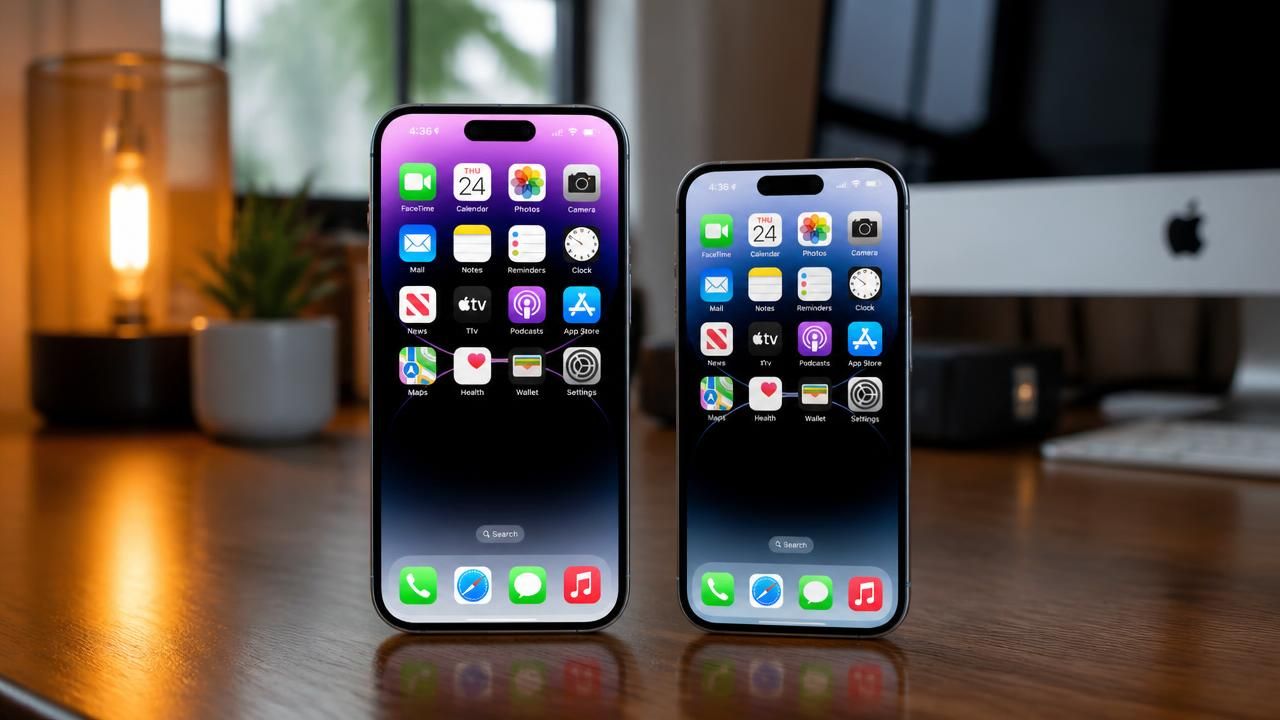
Apple is taking a significant step toward unifying the multi-device experience with a new feature called iPhone Handoff, coming in iOS 27. The functionality, which allows two iPhones to share a single phone number, was briefly teased during the WWDC keynote in June but has only now been detailed through a demo clip surfaced in Xcode 27's Device Hub. The feature is expected to roll out later this month, just as Apple prepares to launch its much-rumored foldable iPhone Ultra.
Reports from The Verge, MacRumors, Cult of Mac, MacDailyNews, and other outlets have pieced together how the feature works. Users will be able to pair two iPhones, designating one as the primary device and the other as a 'companion.' The setup appears in Xcode 27's Device Hub, giving developers and early testers a glimpse of the carrier eSIM technology that underpins the system. This approach lets a single phone number be shared across both devices, with calls and messages appearing on either phone as needed.
Why Now? The Foldable iPhone Ultra Connection
The timing of iPhone Handoff is no accident. Analysts and tech observers widely expect Apple to launch its first foldable iPhone, rumored to be called the iPhone Ultra, in the near future. The Verge notes that users might not always want to carry a 'chunky and extremely expensive device' like a foldable phone on every outing. iPhone Handoff would allow someone to leave the Ultra at home or in the office while carrying a smaller, more pocketable iPhone that still rings with the same number.
This mirrors the way Apple's existing Handoff works across Macs and iPads, but extends the concept to cellular identity. It also aligns with the broader industry trend toward seamless device switching, as seen with Android's 'Call & Text on Other Devices' and Samsung's ecosystem features.
How iPhone Handoff Works
Based on the demo clip described by The Verge and corroborated by MacRumors, the setup process is straightforward:
- Open the Device Hub in Xcode 27 on a Mac or the Settings app on iOS 27.
- Select 'iPhone Handoff' and choose a primary iPhone.
- Pair a second iPhone as a companion via Bluetooth or Wi-Fi, similar to how Apple Watch is paired.
- The carrier's eSIM profile is then duplicated or virtualized, allowing both devices to use the same number.
The companion phone does not need to be constantly connected to the primary; instead, it operates independently, relying on the carrier's network to route calls and messages to both devices. Apple's implementation appears to be carrier-dependent, which is why the feature is only now coming to fruition after collaboration with major wireless providers.
Reactions and Analysis
Tech commentators have greeted the news with cautious optimism. Cult of Mac called it 'a game-changer for dual-phone users,' while MacDailyNews simply noted the feature as a headline without further commentary. Digital Trends, which attempted to cover the story, was blocked by a 403 error, but its headline—'Apple just made using two iPhones with one number much easier'—reflects the general sentiment.
Some analysts see this as a strategic move to sell more iPhones. By enabling a single number to work across multiple devices, Apple reduces the friction of owning a secondary iPhone. This could be particularly appealing to professionals who want a dedicated work phone or travelers who rely on a local eSIM.
“People might not always want to take a chunky and extremely expensive device out with them,” The Verge noted, framing the feature as a pragmatic solution to the trade-offs of foldable hardware.
Potential Limitations and User Concerns
While the convenience is clear, there are questions about battery life, privacy, and carrier support. Will both phones ring simultaneously? Can users choose which device a call lands on? Apple has not yet posted a detailed support document, but the demo suggests a toggle to select a 'preferred device' for outgoing calls. Additionally, not all carriers may support multi-eSIM sharing, and users may face extra fees.
The feature also revives memories of Apple's earlier 'Continuity' features, which allow calls on a Mac or iPad when an iPhone is nearby. iPhone Handoff goes further by removing the requirement of proximity, enabling true standalone operation for the companion device.
Looking Ahead: iOS 27 Release
iOS 27 is expected to be released to the public later this month, following the iPhone 17 lineup or a possible October event. Apple traditionally seeds minor feature updates in the final beta builds, and iPhone Handoff may be one such addition. The foldable iPhone Ultra is rumored to debut in 2025 or 2026, meaning this feature could be a foundation for that launch.
As with all pre-release software, the actual implementation may change before final shipping. But the buzz is building. If iPhone Handoff works as seamlessly as the demo suggests, it could redefine how consumers think about owning multiple iPhones—and set the stage for a truly integrated mobile ecosystem.