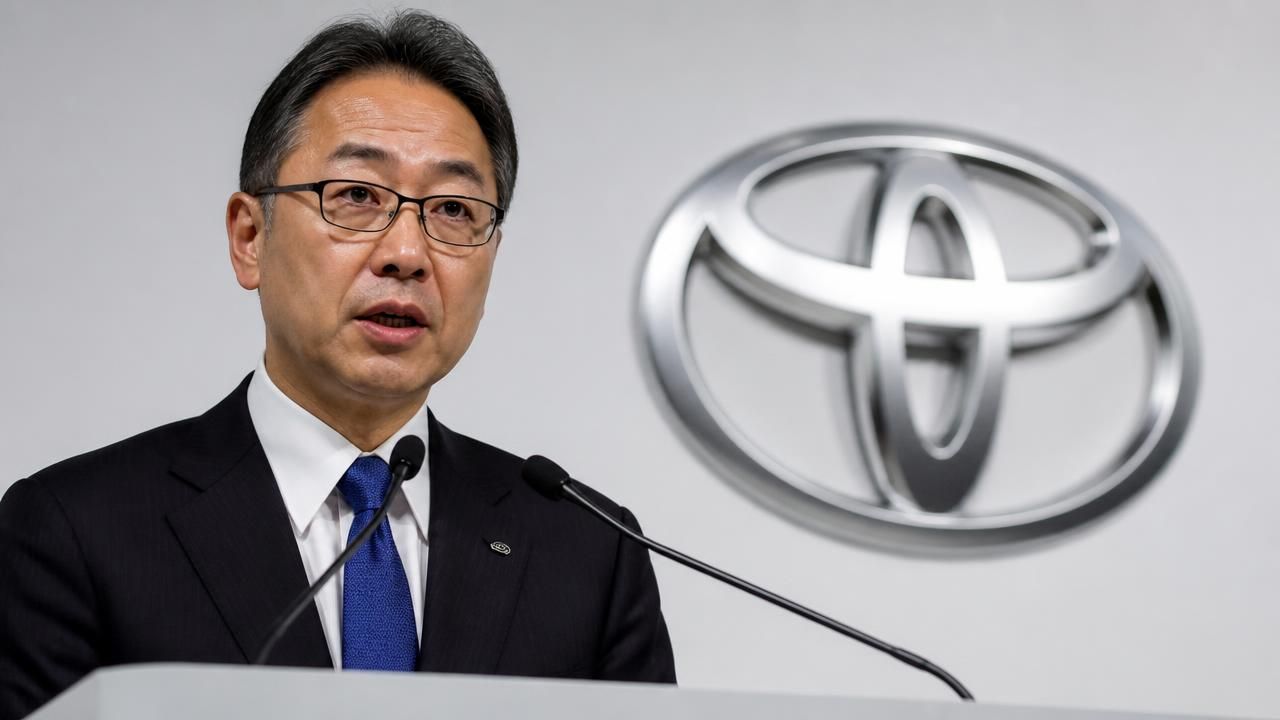
In a stunning but perhaps telling move, Toyota Motor Corp. is reshuffling its corner office once again. Reports emerged Monday that CEO Koji Sato—who took the helm just three years ago after a headline-grabbing leadership transition—will be replaced, marking a second abrupt change at the top of the world’s largest automaker. The news lands as Sato, still serving as chairman of the Japan Automobile Manufacturers Association (JAMA), has been publicly voicing an existential warning: Japan’s automakers must band together or risk being overtaken by China’s electric vehicle onslaught.
The Rise and Fall of a CEO
Koji Sato’s appointment in April 2023 was seen as a generational shift. He succeeded Akio Toyoda, grandson of Toyota’s founder, who moved into the chairman’s role after shareholders overwhelmingly approved the plan. Sato, then head of Toyota’s Lexus luxury brand, was considered a pragmatic engineer and a relative believer in battery-electric vehicles compared to his predecessor’s famous skepticism. That early promise faded as the ground shifted under Toyota’s feet. Today, Chinese automakers such as BYD are not just capturing domestic share but are pushing aggressively into Southeast Asia, Europe, and Latin America with affordable EVs. Meanwhile, Tesla continues to reset price expectations. According to Reuters, Sato “was the man for the moment—then the moment changed,” succinctly framing the board’s decision to seek a new leader.
“We Will Not Survive”
In recent months, Sato has used his platform as JAMA chairman to sound the alarm. In a series of appearances and interviews, including an exclusive with Bloomberg Television, he argued that the most important task for the Japanese auto industry is improving international competitiveness.
“We will not survive,” Sato told reporters and industry audiences, according to InsideEVs, if Japanese automakers continue to go it alone in the face of Chinese EV rivals.
He urged rivals—historically wary of collaboration—to team up on software-defined vehicles, battery supply chains, and resource development. Car and Driver reports that he called for increased cooperation among Japanese manufacturers, while The Street framed the plea as a call for unity. Sato also dedicated attention to Toyota’s hydrogen business, a long-held technology bet that remains niche but which he argues can coexist with battery electrics.
Profits and Pressure
The leadership transition occurs amid contradictory pressures. Toyota has reported healthy profits recently, thanks to easing chip shortages and a rebound in global demand; Borneo Bulletin noted a rise in earnings as semiconductors supply constraints subsided. The company has also vowed to stay profitable through ongoing disruption, as Carscoops reported. But those conventional wins obscure a worrying trend: Toyota’s EV lineup still represents a tiny fraction of global sales, and its strategy of hybrids, plug-ins, and fuel cells has drawn sharp criticism from environmental groups.
Greenpeace East Asia recently responded to Toyota’s 2025 financial results with a blunt rebuke, accusing the carmaker of “greenwashing” and of placing its fleet emissions targets at odds with climate goals. The NGO argued that Toyota is using the pandemic slowdown and supply chain issues as cover for delaying serious EV investments—a narrative that Sato’s departure is unlikely to silence.
What Comes Next?
The identity of Toyota’s incoming CEO was not immediately confirmed by all sources, but reports from InsideEVs suggest the new leadership will need to rethink the company's approach to both EVs and the Chinese market. Toyota’s bet on a multi-pathway strategy runs deep, and many shareholders and dealers are reluctant to abandon the lucrative hybrid cash cow. Yet, with the pace of change in China, some analysts argue that a unique Japanese alliance might be needed to share R&D costs and data platforms.
Sato himself, even as he departs, has left that collaborative framework on the table. As Japan Today reported, he believes that “right now, the most important task facing the Japanese auto industry is improving international competitiveness.” Whether his successor follows through remains the question. The transition is also part of a broader shift across Japan. The Japan Times has noted an influx of new CEOs across major corporations, bringing a change in generational mindset—though progress is uneven. For example, Carsifu reported that women are conspicuously absent from the new CEO’s management team, raising governance concerns as Toyota looks to present a modern face to global markets.
A Glimmer of Enthusiasm
One hint of continuity could be the future product pipeline. Road & Track suggested that Sato’s conversations about sports cars hinted at more enthusiast models to come, suggesting the corporate culture may retain some of its heritage. But whether future EVs will capture the soul of a Supra—or compete with BYD on price—is a separate challenge.
Change in the Driver's Seat
Toyota’s revolving-door leadership may seem abrupt, but it reflects a deep internal and external struggle over how to steer Japan’s automotive flagship through a historic industry transformation. Koji Sato’s warning remains: without collaboration, Japanese brands may not survive as independent players. As the new CEO prepares to take the wheel, the entire global auto industry will be watching to see whether Toyota finally shifts into EV overdrive—or risks being left behind in the world’s biggest auto market.