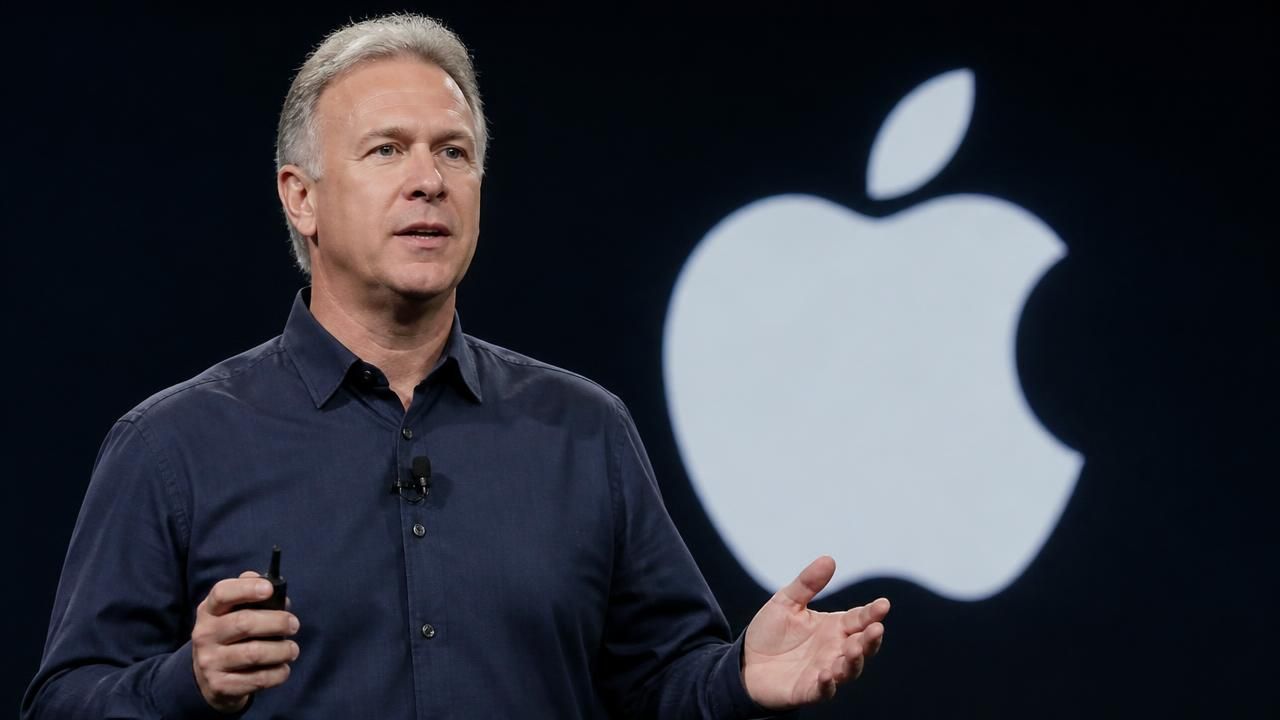
In a significant reshuffling of Apple's executive ranks, longtime marketing and App Store chief Phil Schiller is stepping down from his day-to-day oversight of the App Store and Apple's product events. According to a report from Bloomberg, Schiller will retain his Apple Fellow title and continue "working on unspecified initiatives," but his departure from these high-profile responsibilities marks the end of an era at the Cupertino giant.
Schiller, who first joined Apple in 1987 and became the company's head of marketing in 1997, has been a towering figure in Apple's modern history. He helped launch the App Store alongside Steve Jobs in 2008 and took direct control of the store in 2015. Over the years, he played a key role in the development and marketing of the iPhone, iPad, iPod, and Macs, and was a familiar face at Apple's keynote events, often delivering the most anticipated product reveals.
A Transition Begins
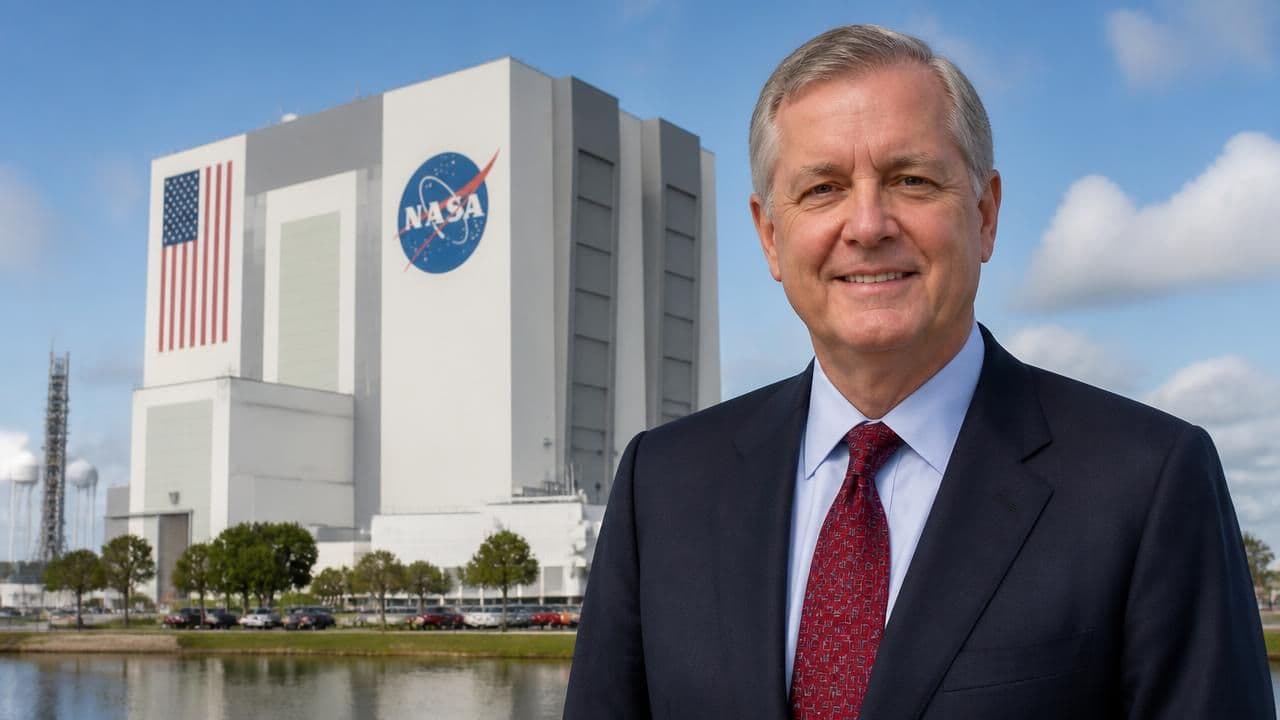
The news, first reported by Bloomberg and echoed by outlets like The Verge, MacRumors, Cult of Mac, and AppleInsider, signals a broader reorganization within Apple's leadership. Schiller's responsibilities are being handed over to other executives, with some reports connecting the move to the rise of John Ternus, Apple's senior vice president of Hardware Engineering. Ternus has emerged as a key figure in Apple's product roadmap, and the phrase "Ternus era begins" has been used by outlets like MacRumors and Firstpost to describe this transition.
While Apple has not officially commented on the report, the company's internal memo to employees, as cited by Bloomberg, confirms that Schiller will remain as Apple Fellow, focusing on special projects. This is not the first time Schiller has scaled back his role; he previously stepped down as head of marketing in 2020, passing the baton to Greg Joswiak while retaining his App Store and events role. Now, he is stepping away from those responsibilities as well.
What This Means for Apple
Schiller's departure from the App Store and events is more than just a personnel change. The App Store has become a hugely important revenue driver for Apple, but it has also been the subject of intense regulatory scrutiny worldwide. Developers have long complained about Apple's commission rates and strict app review policies, and Schiller has been a vocal defender of Apple's approach. His exit could signal a change in how Apple handles developer relations and antitrust pressures.
Additionally, Schiller was the orchestrator of Apple's meticulously crafted product events. From the iPhone reveals to the recent Vision Pro launch, his hand was visible in the production and presentation. The transition to new leadership—likely involving other vice presidents like Joswiak and Craig Federighi—will be closely watched by Apple fans and industry analysts.
"Phil has been an incredible force for Apple, shaping not just the products but the way we talk about them. His influence will be felt for decades," said a former Apple employee familiar with the company's culture.
A Wave of Leadership Changes
The report comes amid a broader wave of executive changes at Apple. Some headlines, particularly from MSN, have speculated that this is part of a transition leading to CEO Tim Cook's eventual departure. While Cook is still at the helm, Apple has faced a series of high-level exits and role changes in recent years, including the departure of design chief Jony Ive in 2019 and more recent shifts in its AI and services leadership. The narrative of a generational transition is gaining traction, and Schiller's move is seen as another sign that Apple is preparing for a new era.
However, it's crucial to note that not all reports agree on the extent of the change. The Verge emphasizes that Schiller is "leaving his biggest jobs" but still "working on unspecified initiatives." AppleInsider's headline notes he is "no longer working on App Store or events," while Cult of Mac declares he "relinquishes all major roles." The variation in framing reflects the ambiguity of the situation—Schiller is not retiring, but his influence is clearly being redistributed.
Expert Perspectives
Industry analysts see this as a strategic alignment. "Phil Schiller is one of the most capable executives in tech, but Apple is moving toward a more collaborative leadership model," said tech analyst Carolina Milanesi. "The App Store is facing existential questions about its role in the digital economy, and placing it under new stewardship might be a way to bring fresh perspectives."
Others point to Schiller's age (he is in his mid-60s) and his long tenure as a natural reason for scaling back. "He's been doing this for over three decades. It's understandable that he wants to focus on projects he's passionate about without the day-to-day grind," added Ming-Chi Kuo, a well-known Apple analyst. "His role as Apple Fellow is not a sinecure—it's a position that allows him to mentor and innovate without the burden of running a massive organization."
What's Next for Schiller?
Schiller's new focus is said to be on "unspecified initiatives," but given his track record, these could involve special product development, corporate strategy, or even philanthropic efforts. His role as Apple Fellow is a title shared with only a few other executives, including former design chief Jony Ive, who held it until his departure. This suggests that Schiller will remain a key advisor to Cook and the executive team, even as he steps back from operational duties.
The Broader Context
This leadership shake-up is part of Apple's ongoing evolution. The company is navigating a post-COVID recovery, geopolitical tensions, and a maturing smartphone market. It is also investing heavily in new categories like augmented reality (Apple Vision Pro) and artificial intelligence. Schiller's handoff could allow the company to streamline decision-making as it pursues these ambitious projects.
For now, Apple has not announced who will take over Schiller's specific duties. Speculation points to a team of executives rather than a single successor, with App Store operations possibly falling under the purview of Greg Joswiak or a new vice president. Product events, which have been increasingly pre-recorded, might become the domain of the marketing communications team.
Regardless of who steps in, Schiller's legacy is secure. He helped transform Apple from a computer maker into a services and mobile powerhouse. His departure from the App Store and events is a milestone in Apple's history, marking the end of an era but also the beginning of a new chapter.